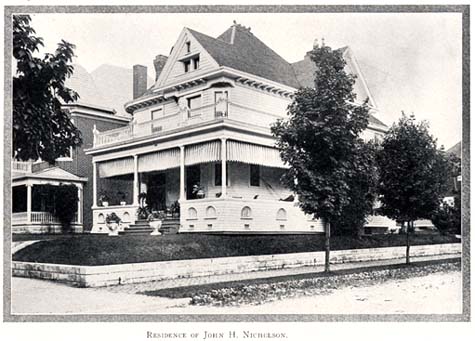
1901 East Main
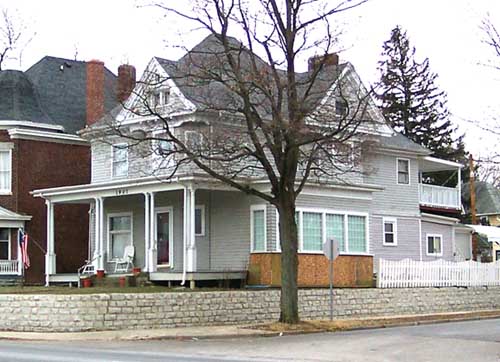
Built in 1895 for Finley Newlin, who helped found the F&N Lawn Mower Company in 1889. Later the home of John H. Nicholson (c. 1903–10). [1][2]

Elwood W. McGuire House · 1900–1901
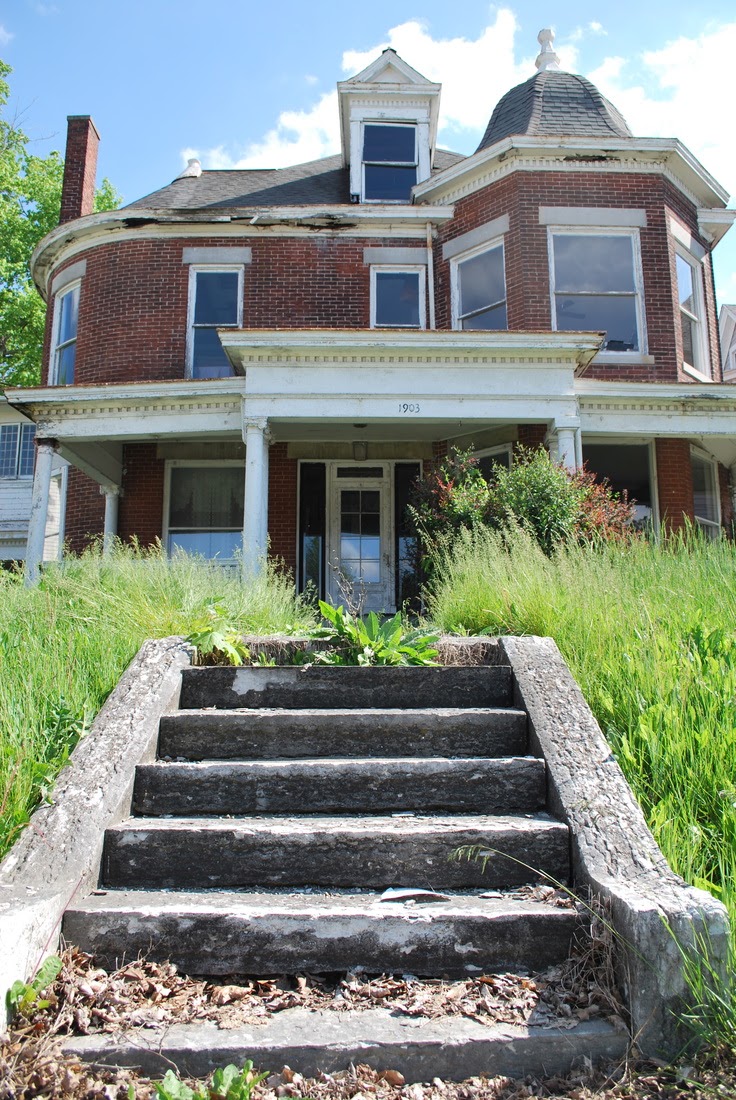
1903 East Main Street · Millionaire’s Row · Richmond, Indiana
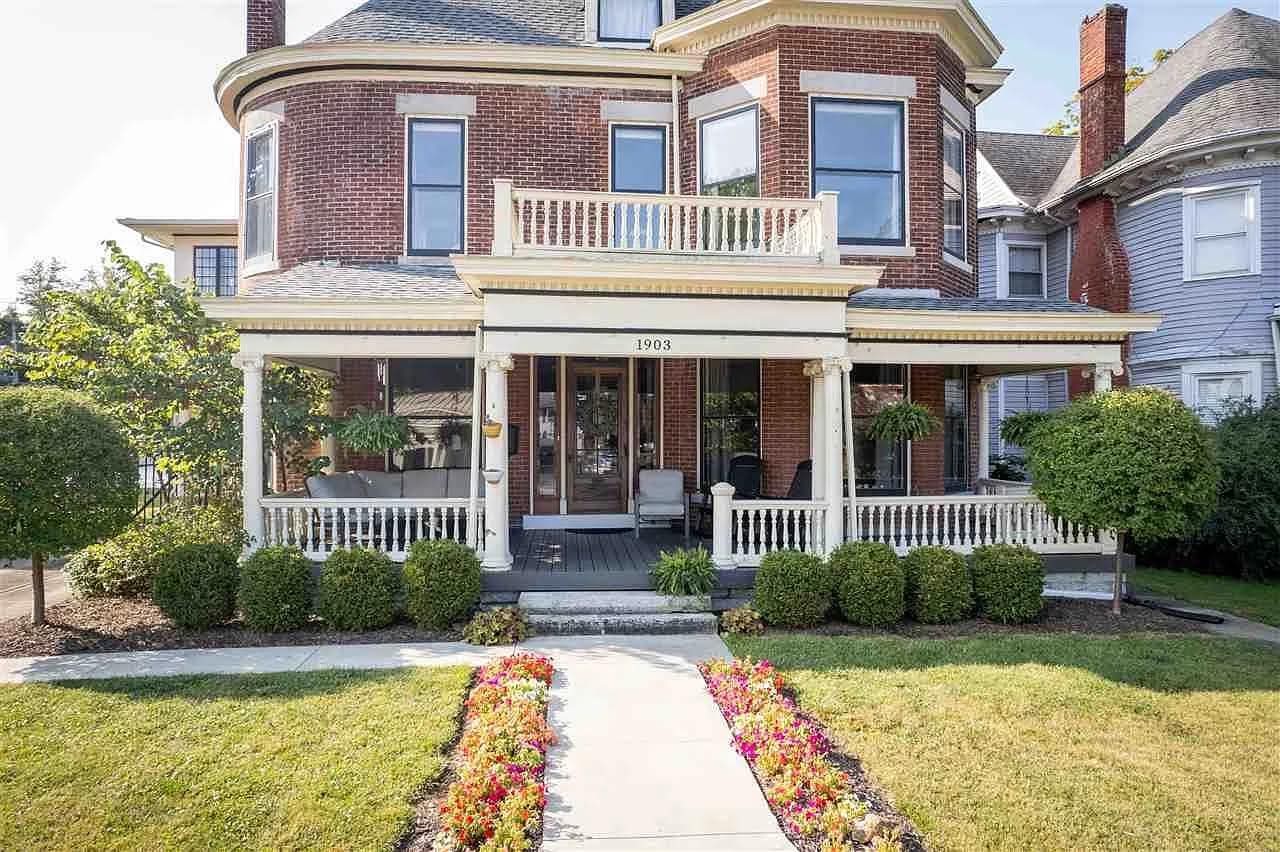
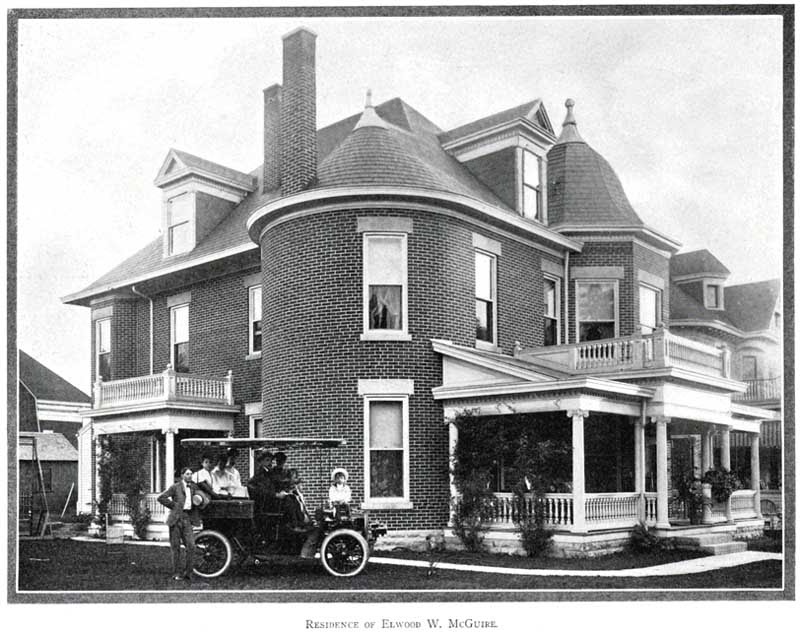
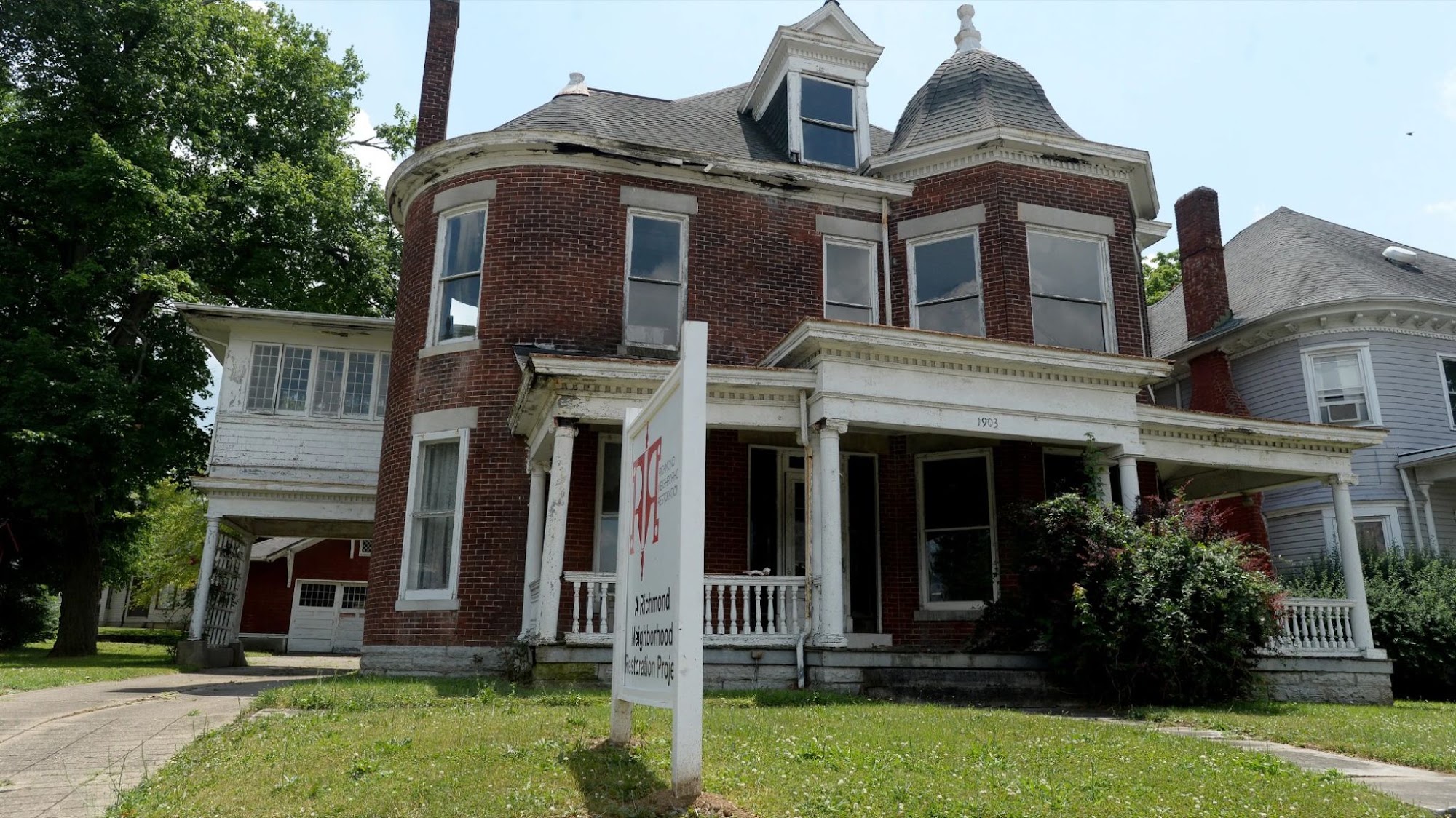
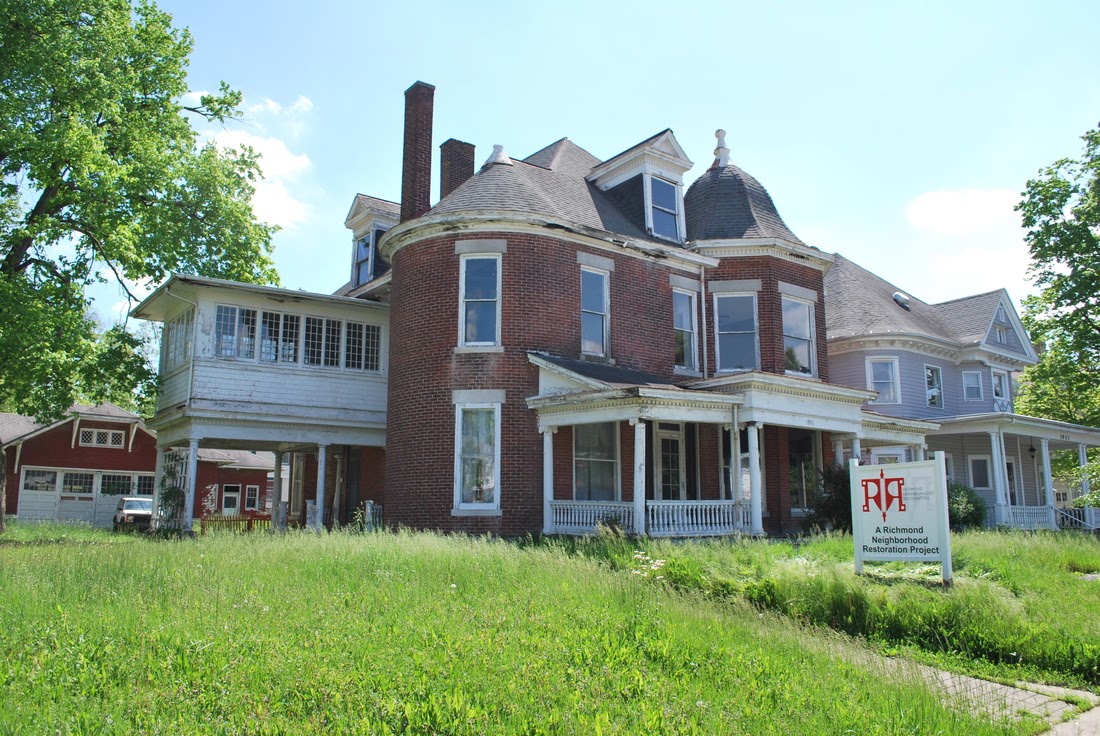
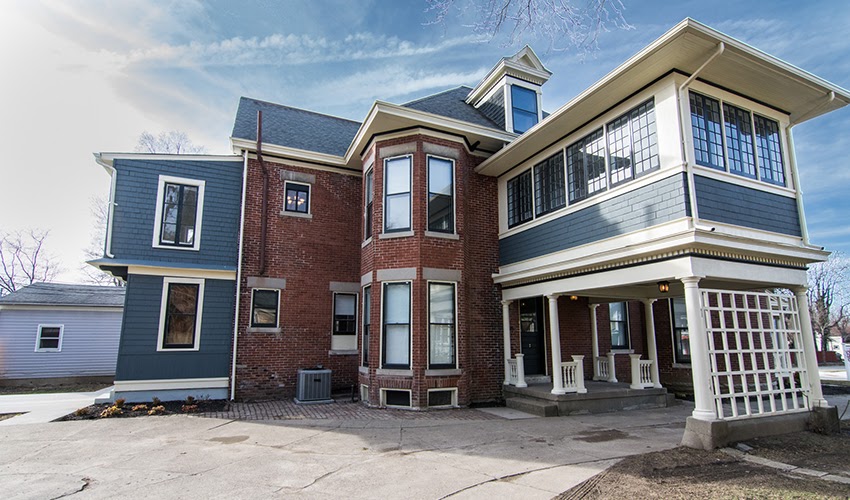
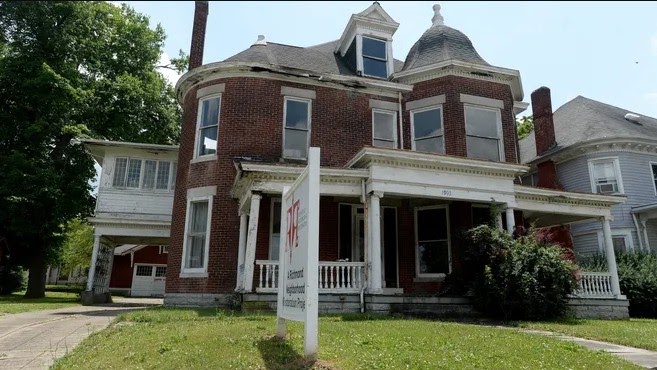
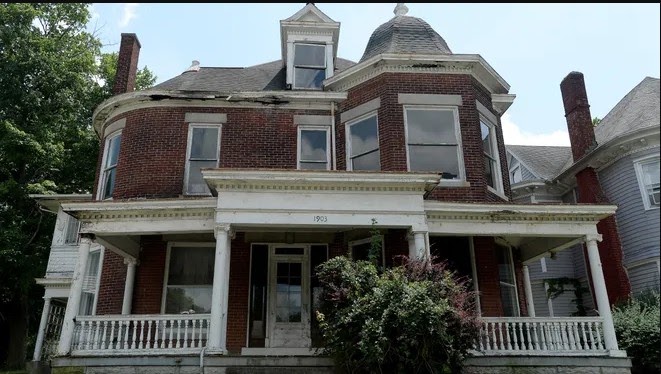
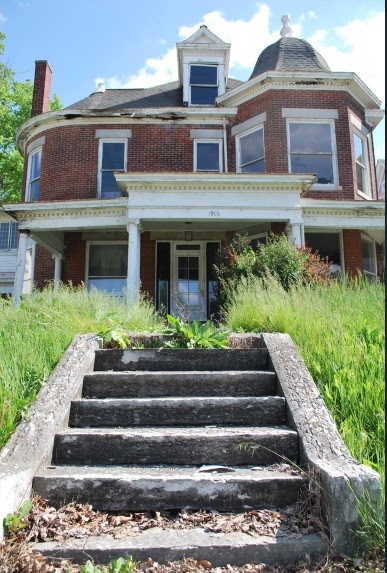
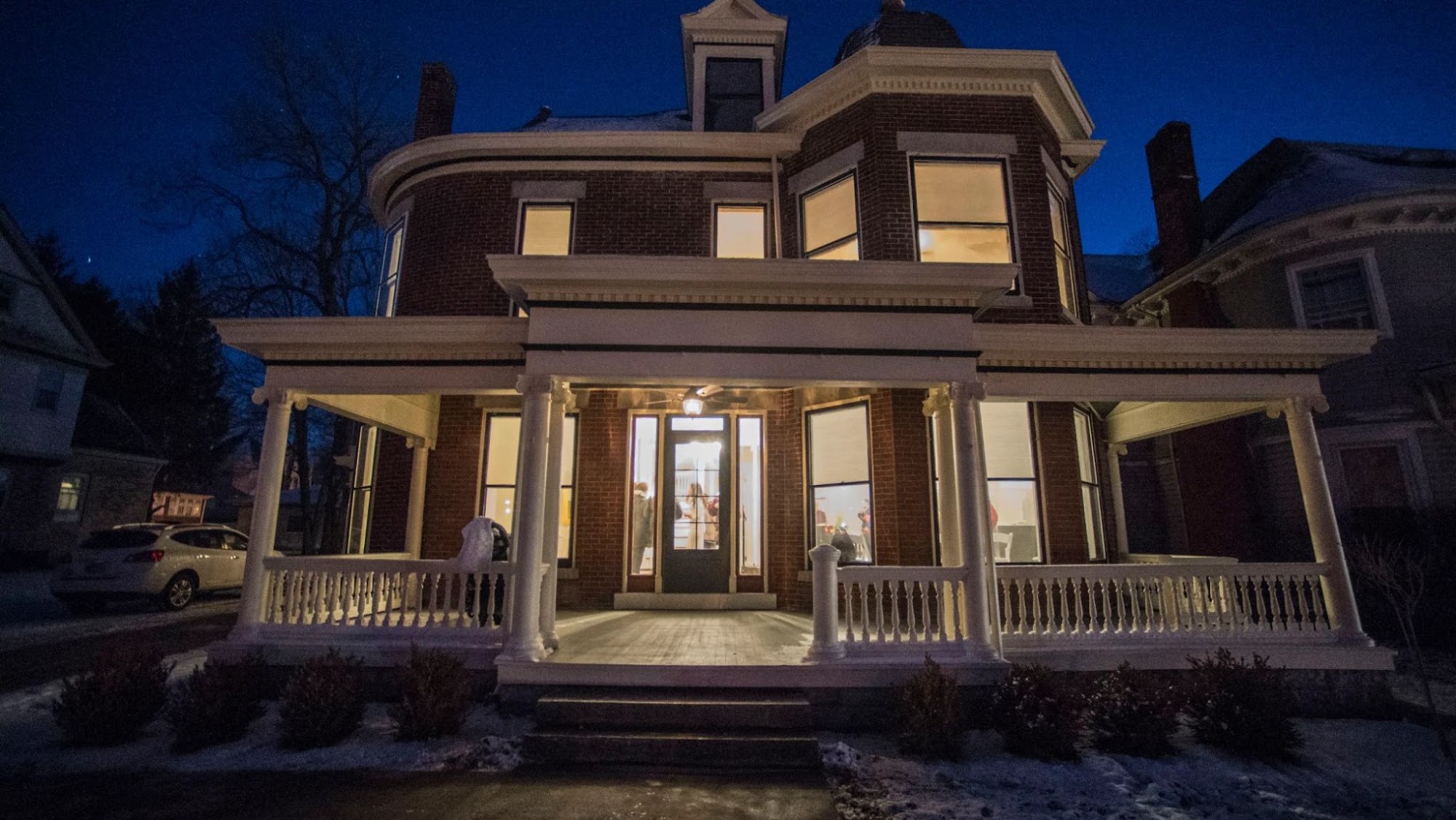
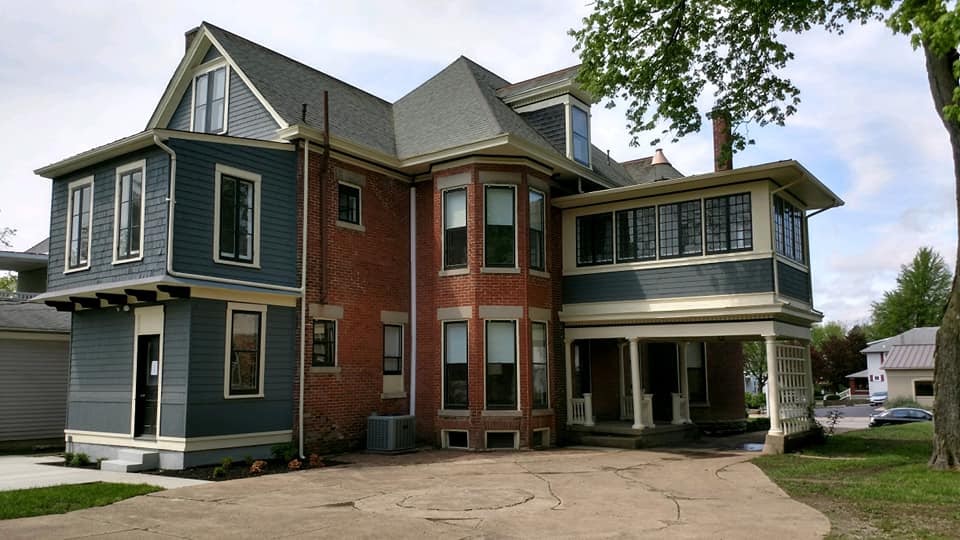
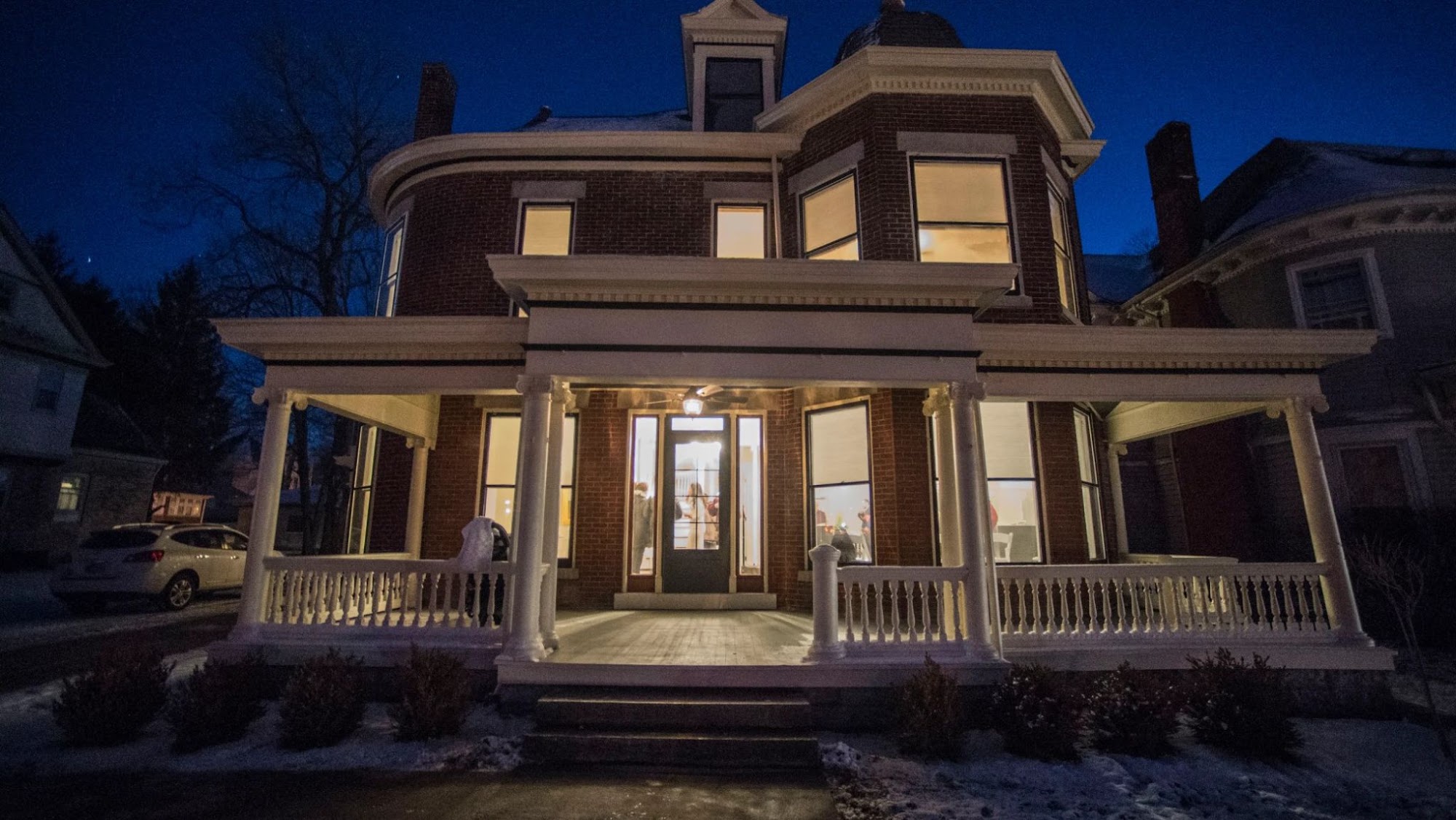
A brick Victorian Romanesque house with Colonial Revival details, built for the man who made Richmond’s lawn mowers famous. It stands at the heart of the East Main Street–Glen Miller Park Historic District.
Enter the front hall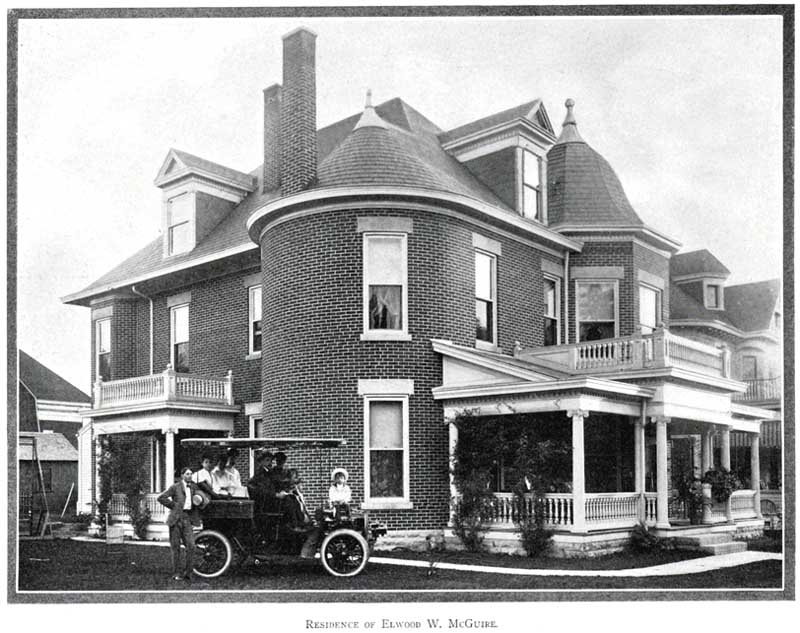
I · The House
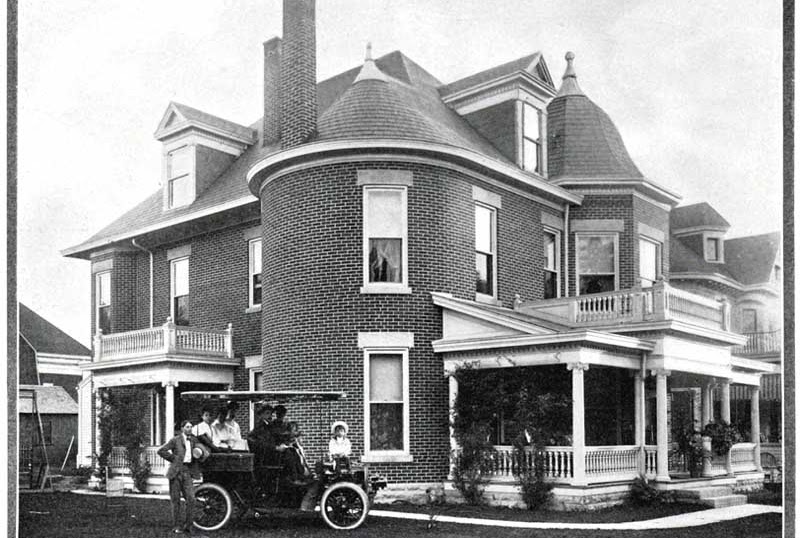
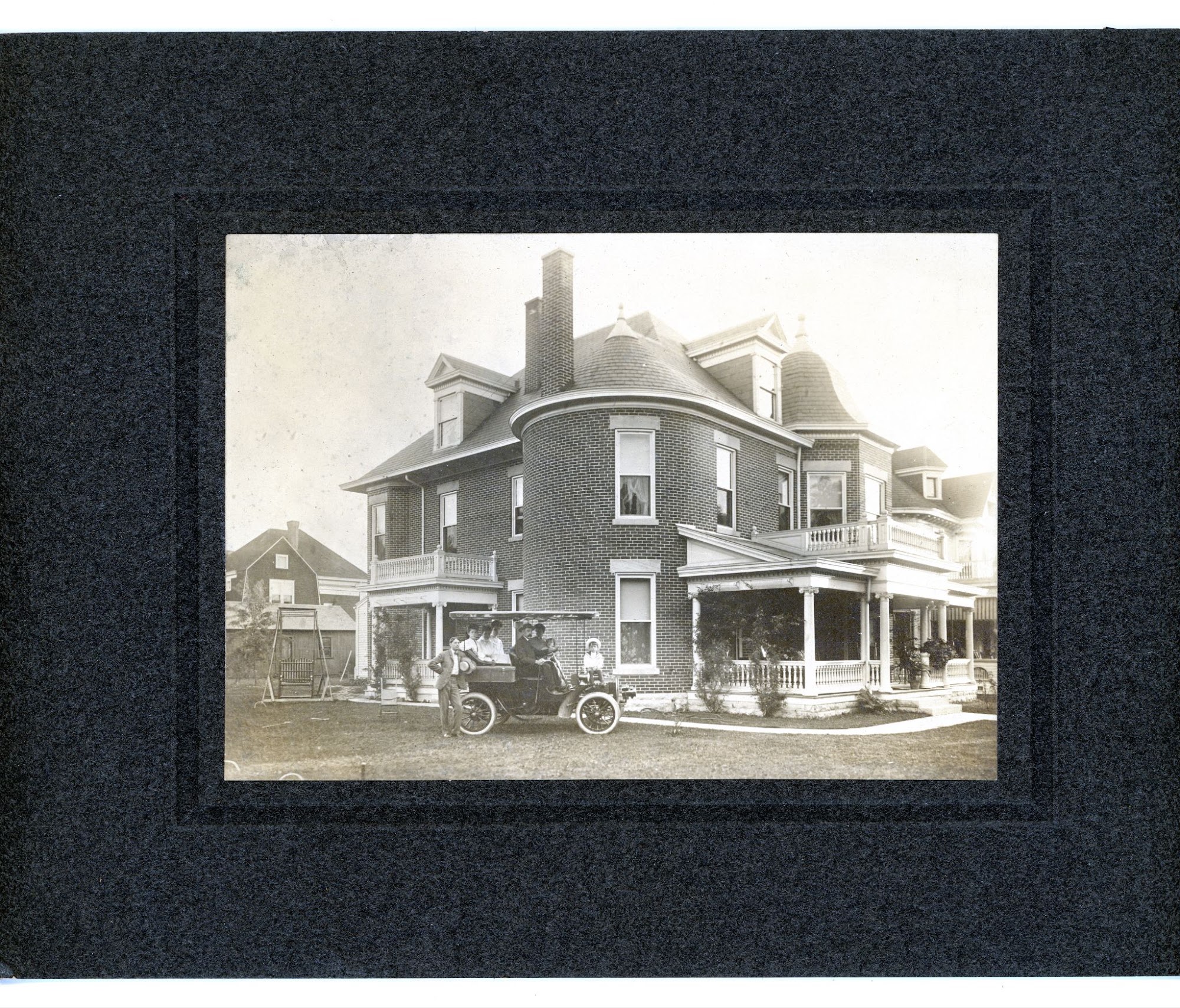
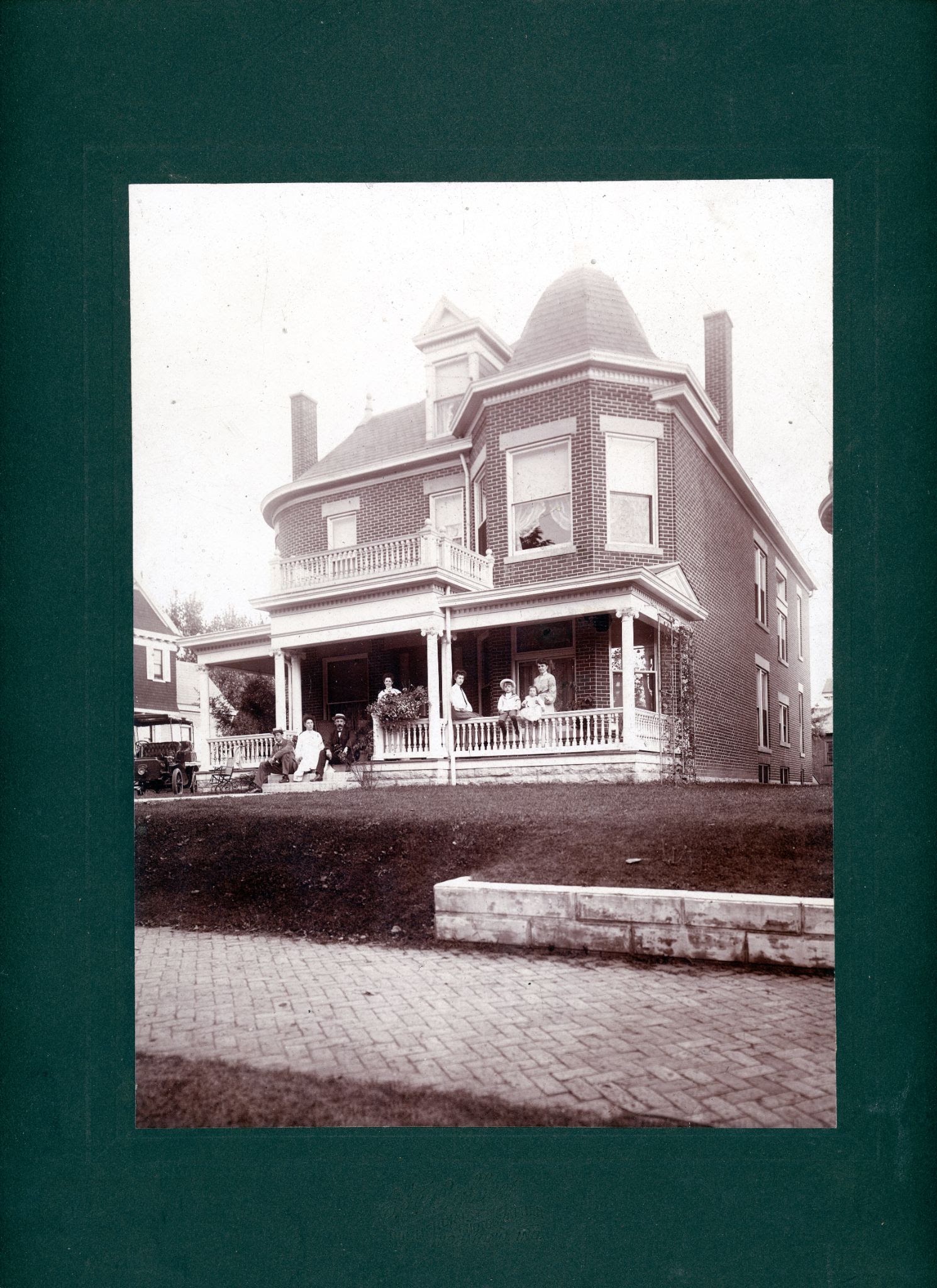
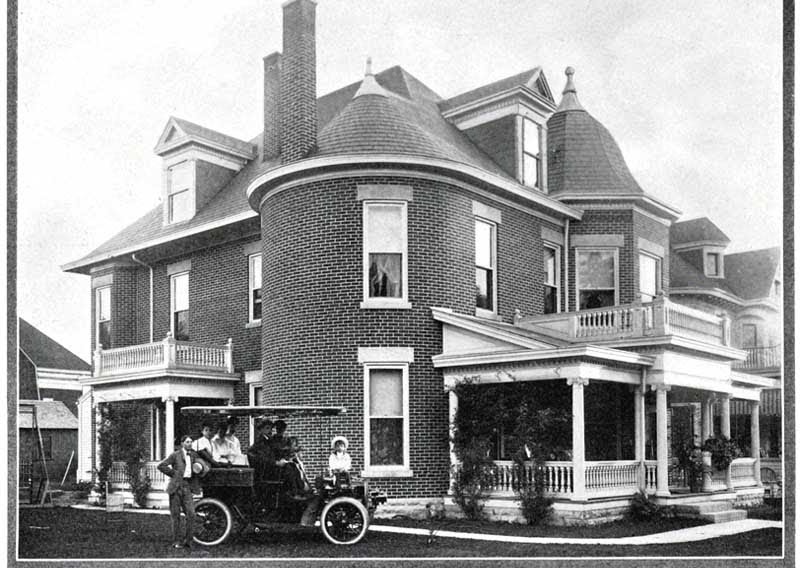
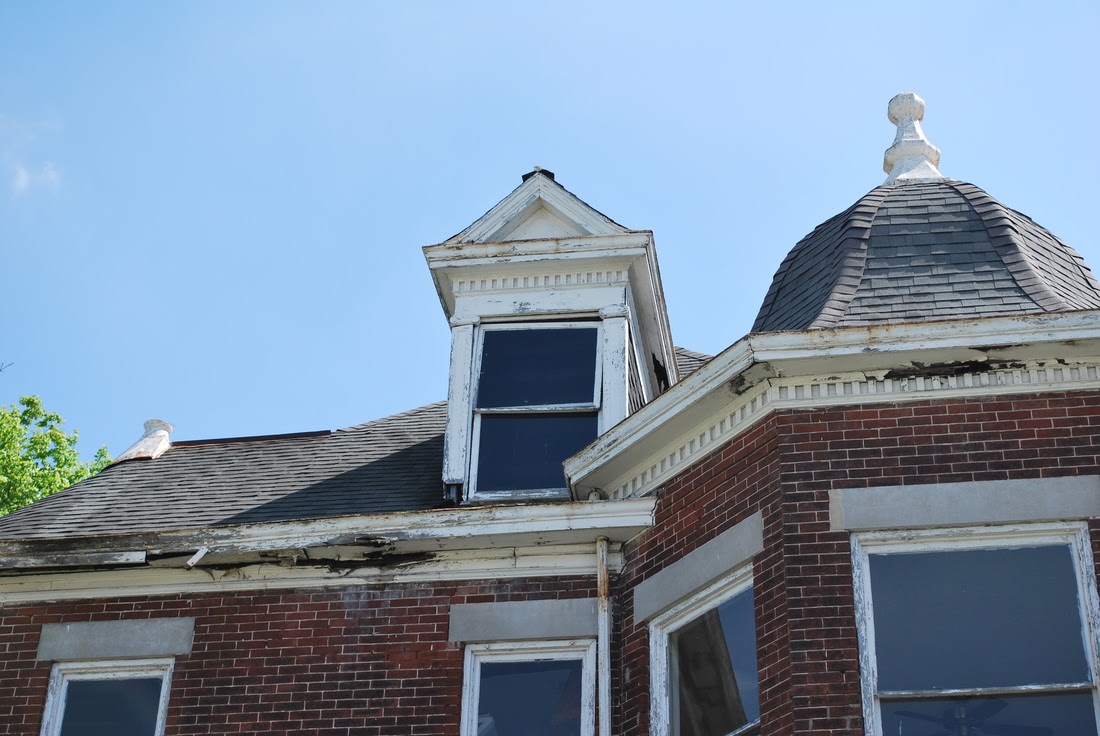
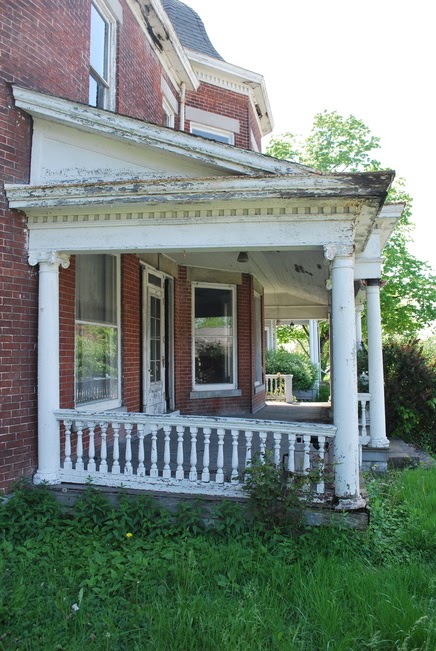
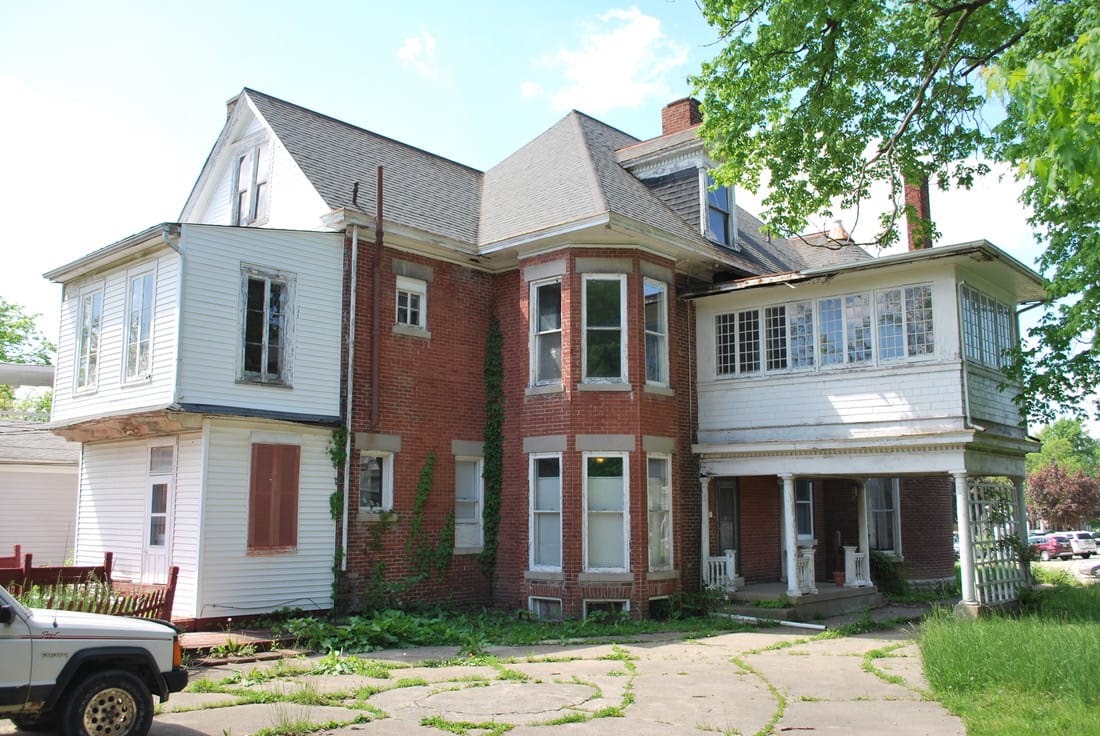
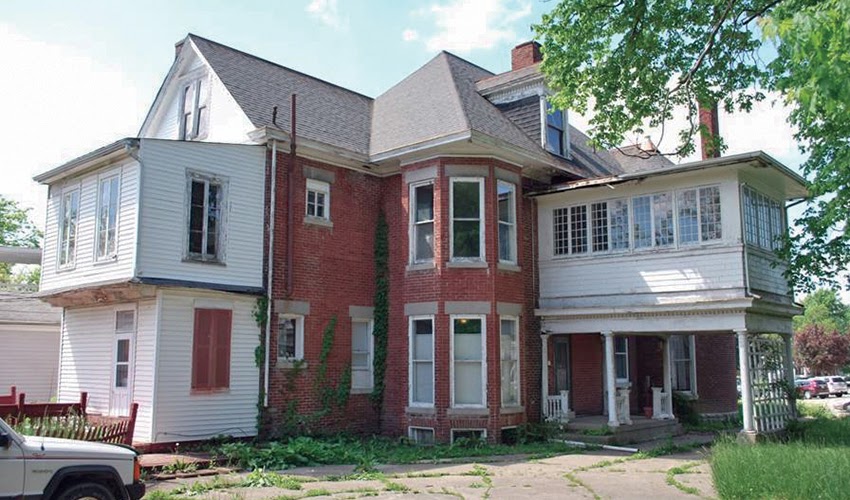
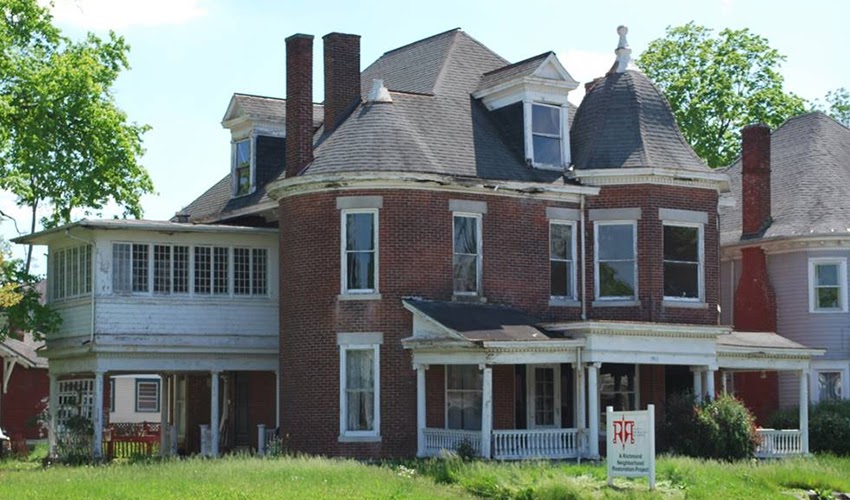
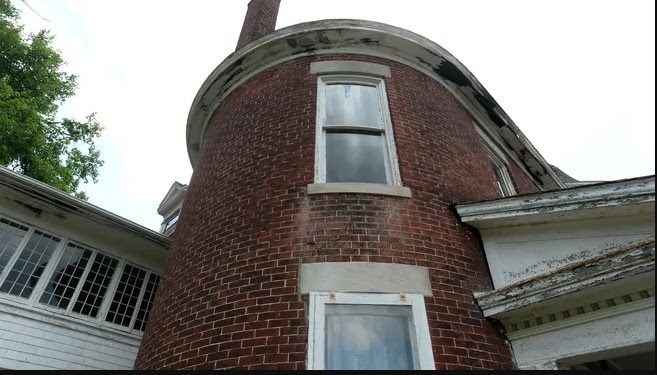
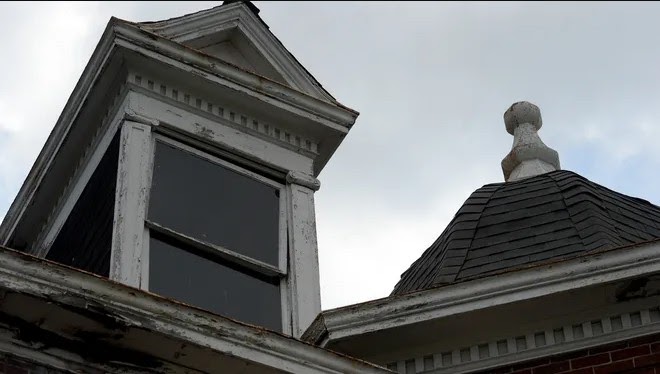
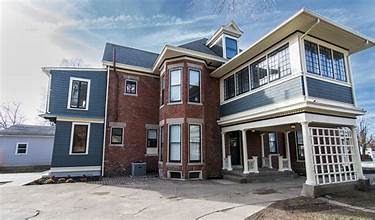
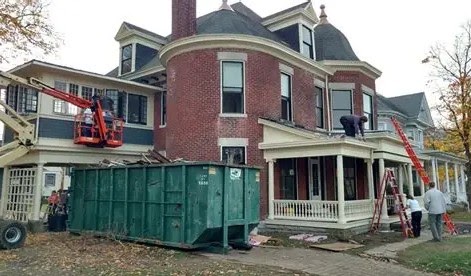
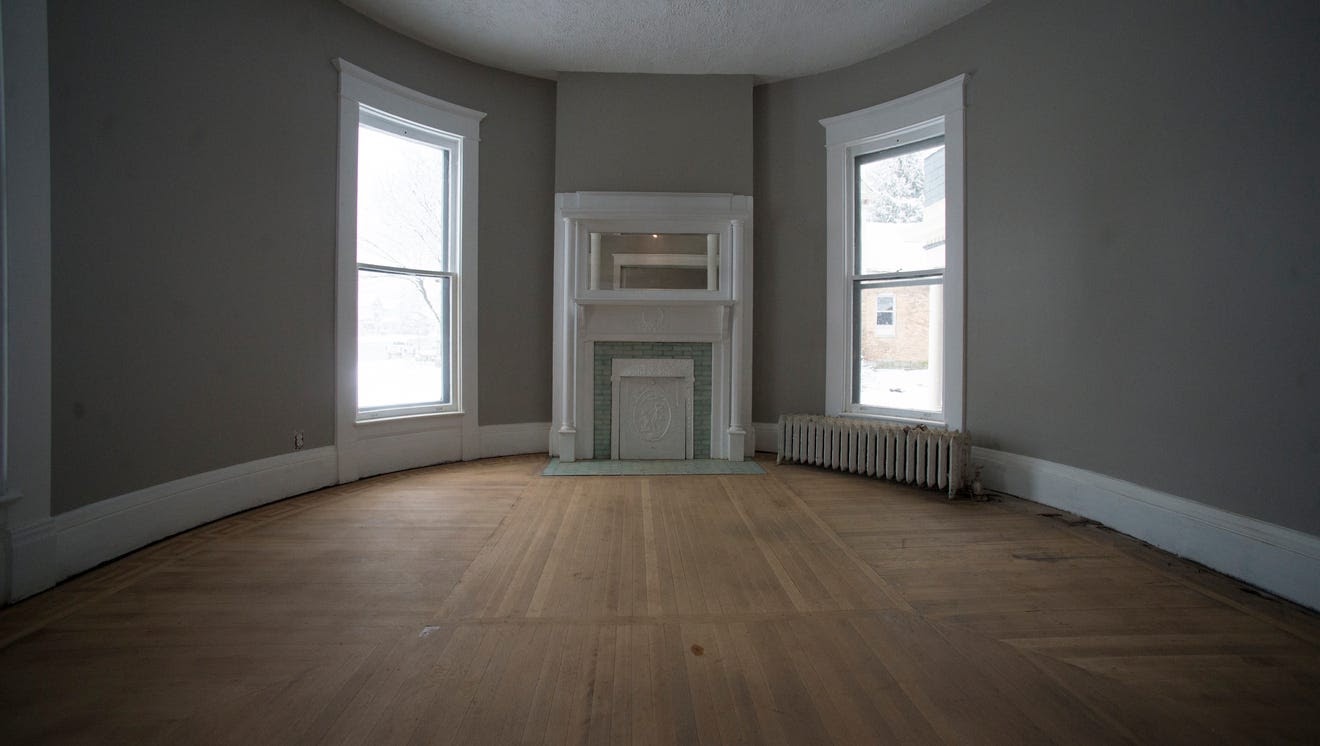
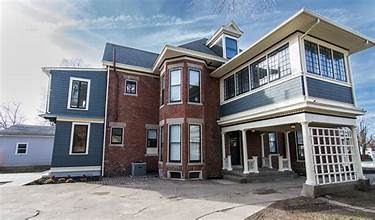
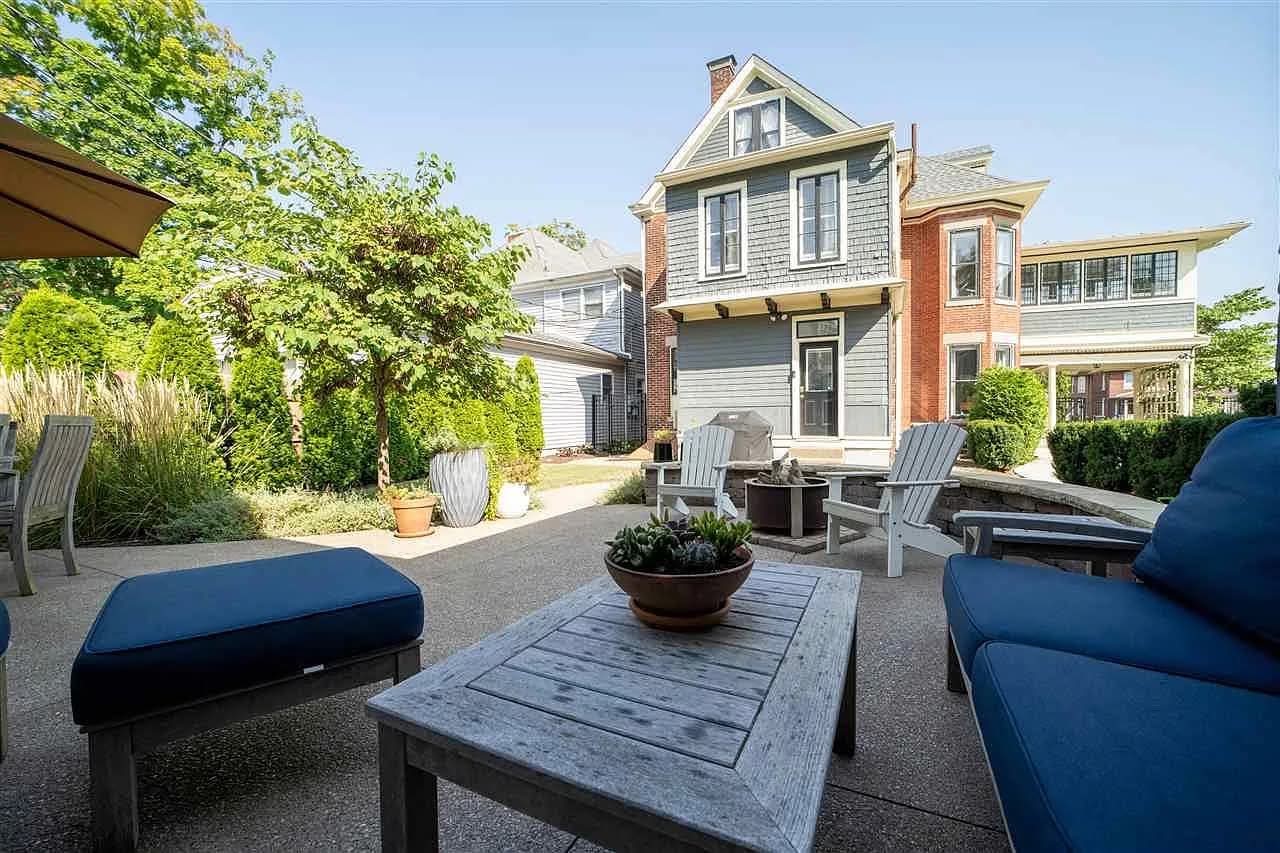
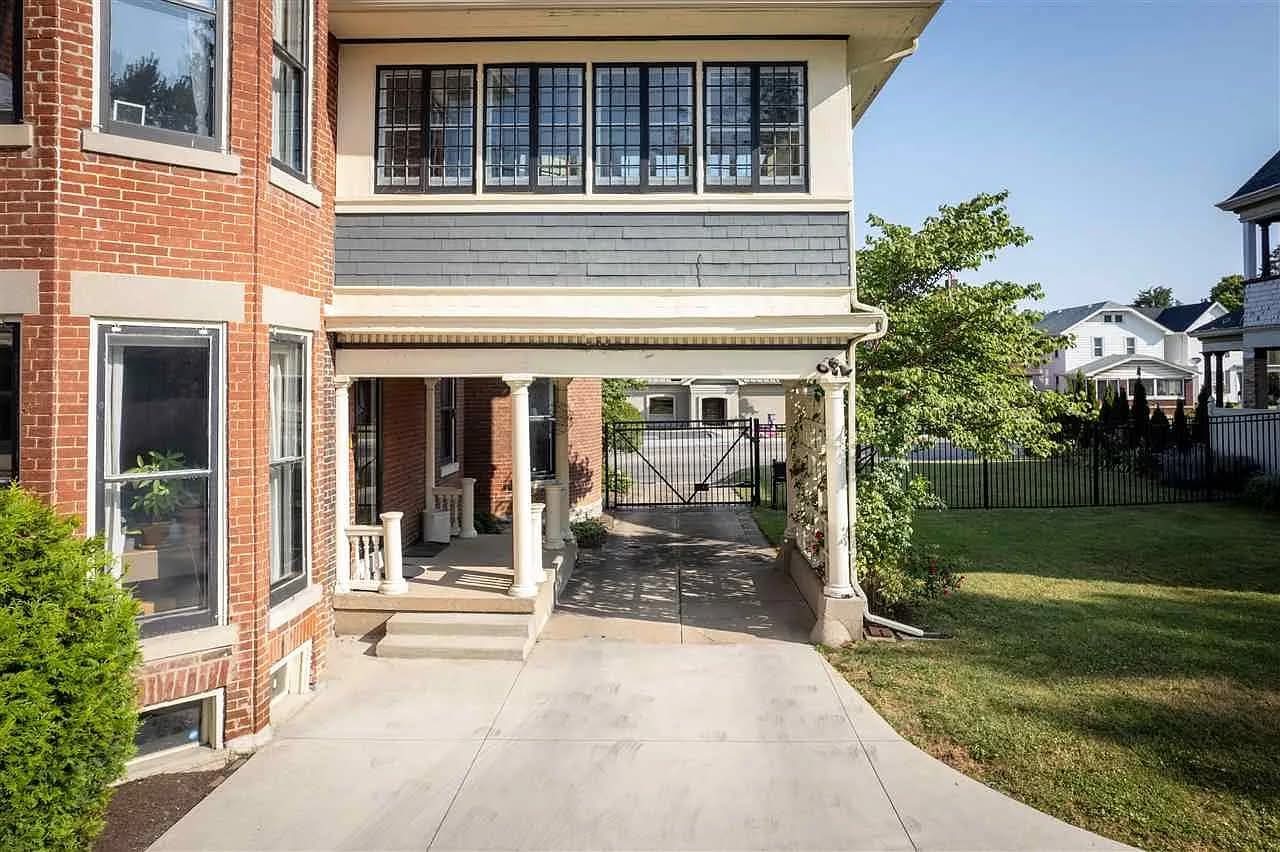
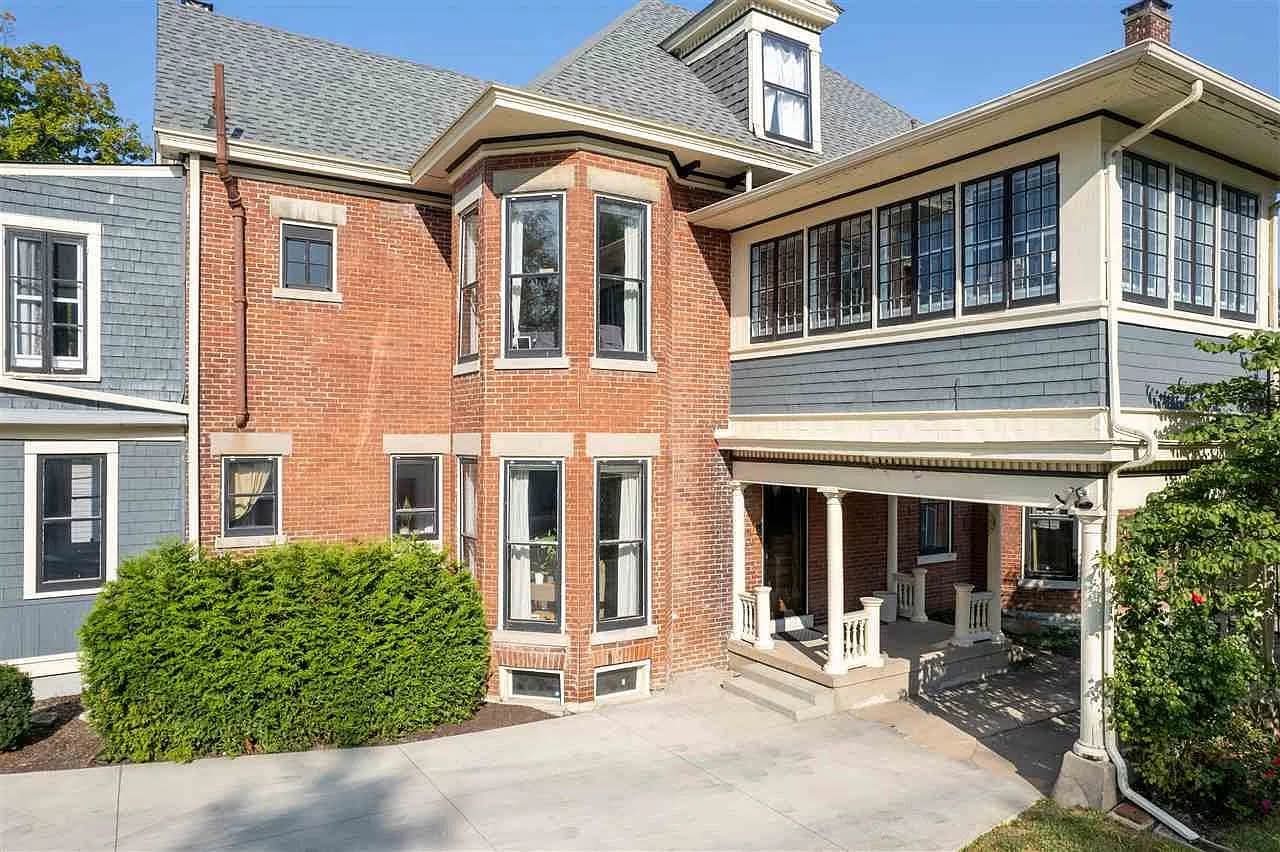
The National Register describes 1903 East Main as a “Victorian Romanesque with Colonial Revival details, 2½ story, brick, slate roof, polygonal corner tower with bellcast roof, rounded corner, porte cochere.” Stephen O. Yates designed it in 1900–01. Yates was tied to his father’s contracting firm and designed several dozen Richmond buildings. [1]
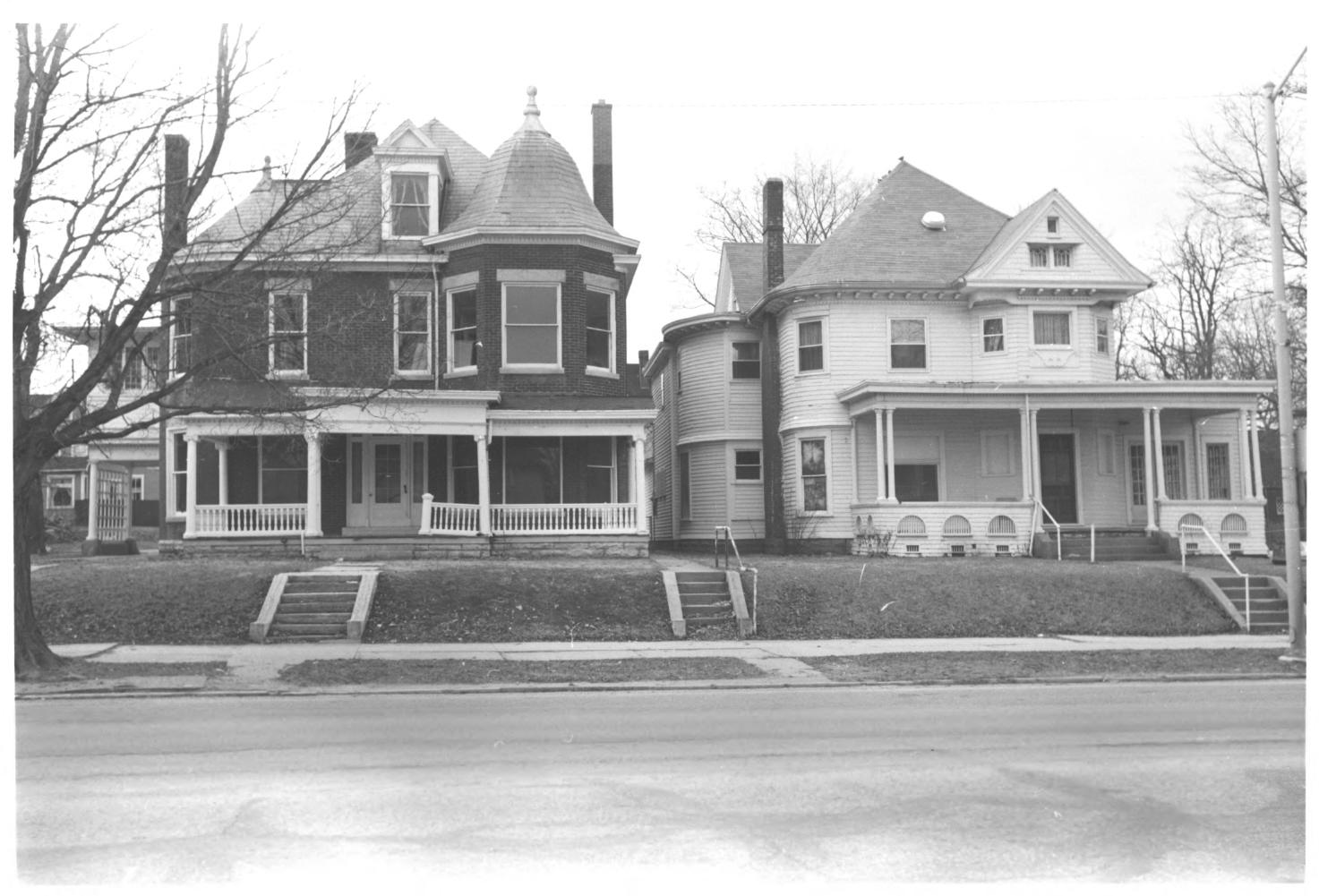
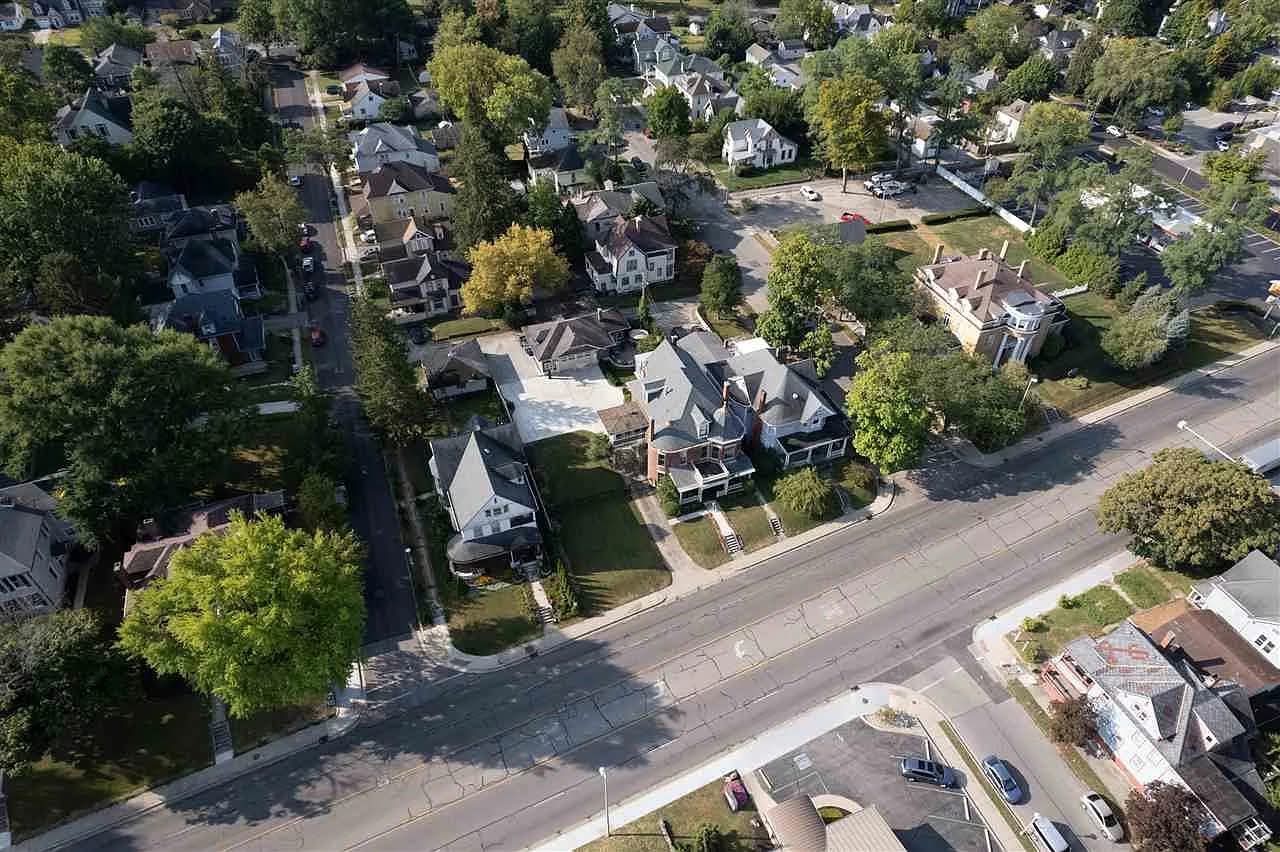
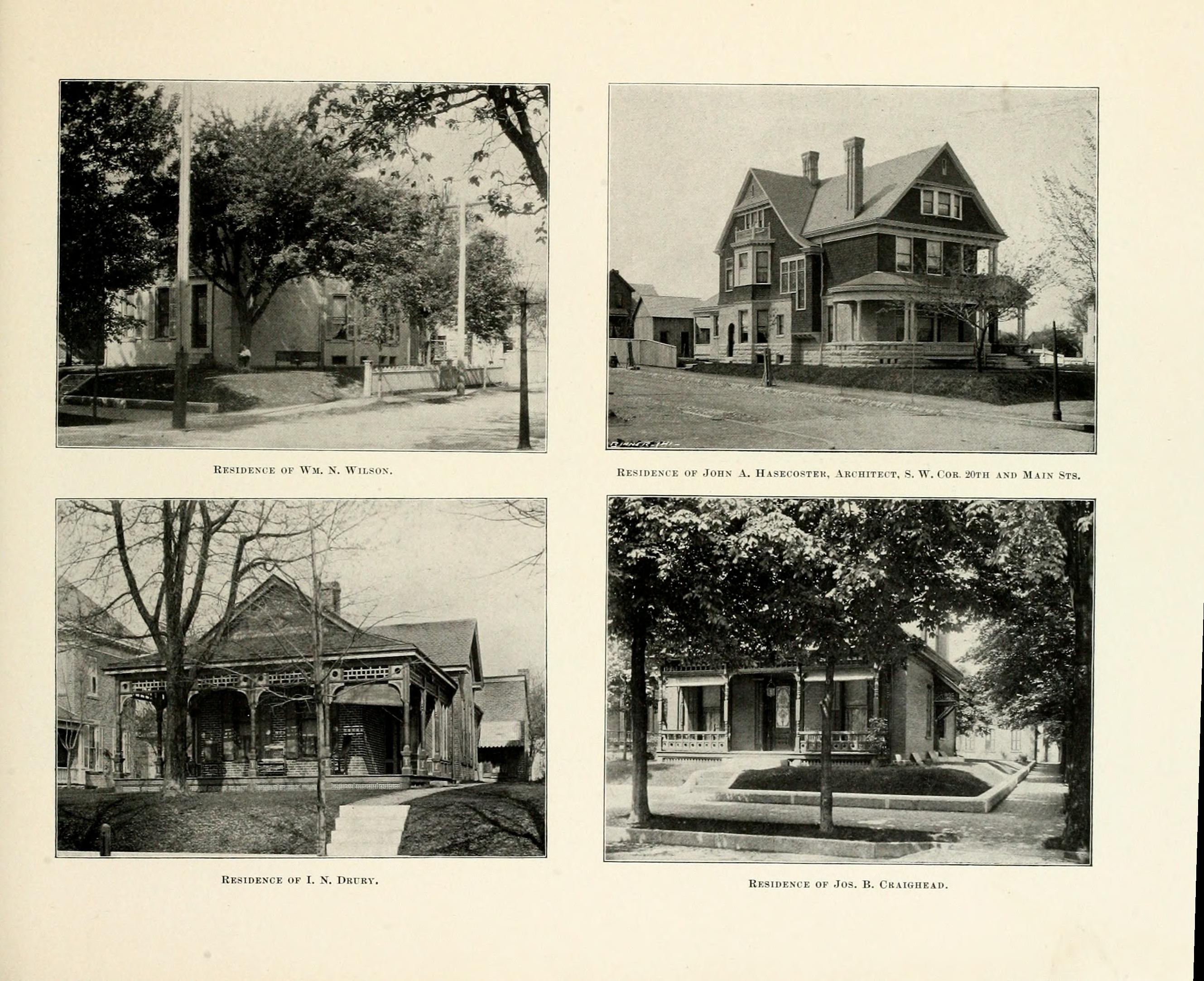
It was built on the lot between Finley Newlin’s house of 1895 and the 1895 home of architect John A. Hasecoster. That put it among the residences of Richmond’s industrialists, a few blocks from Glen Miller Park. [1]
The Front Hall
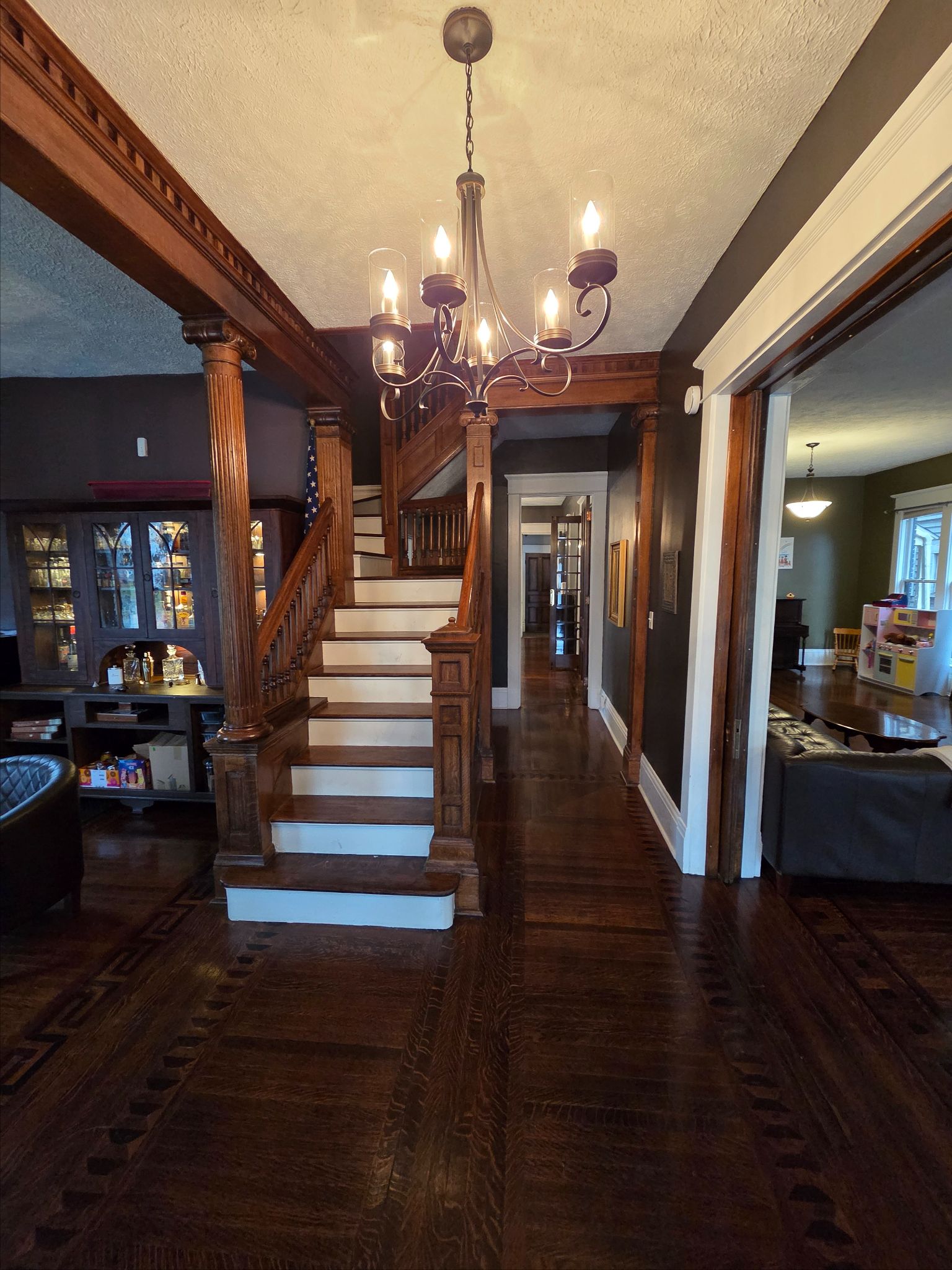
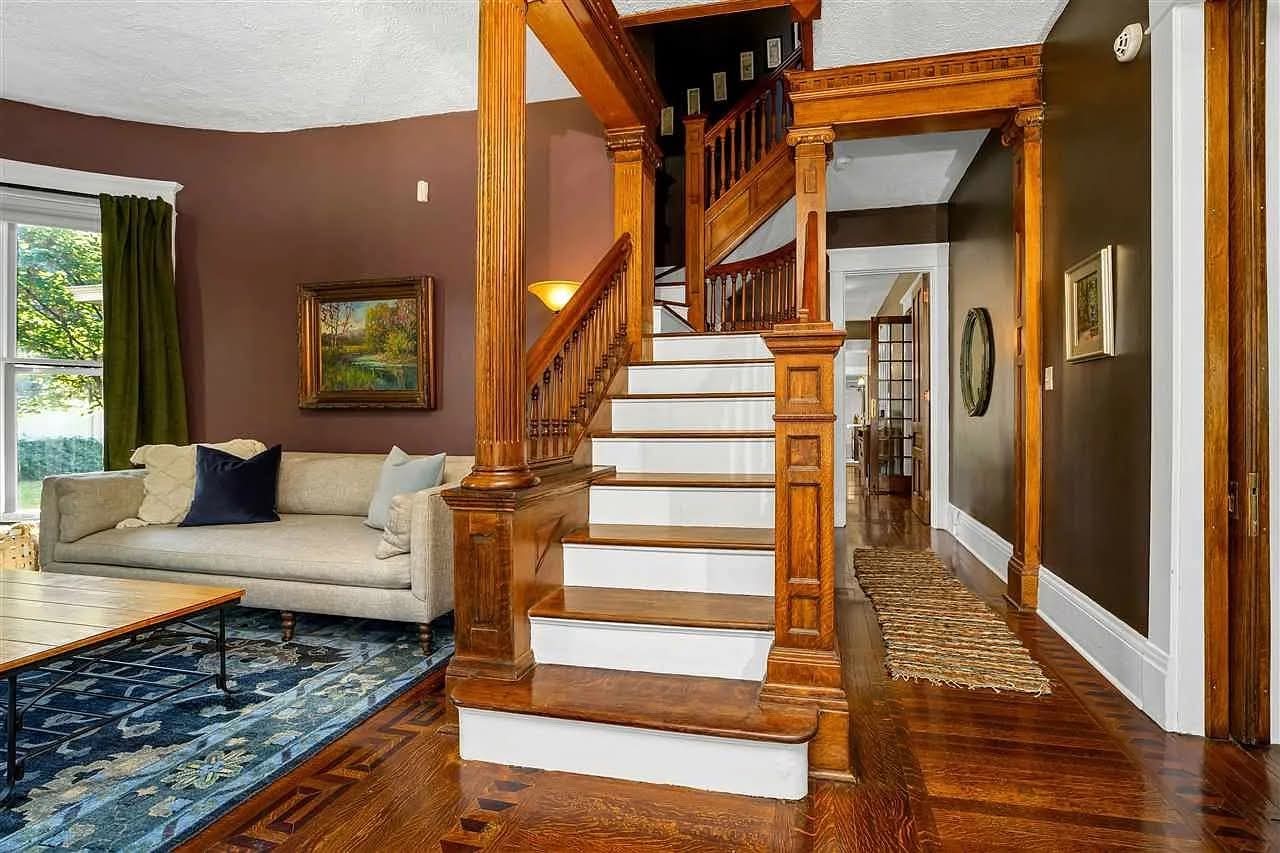
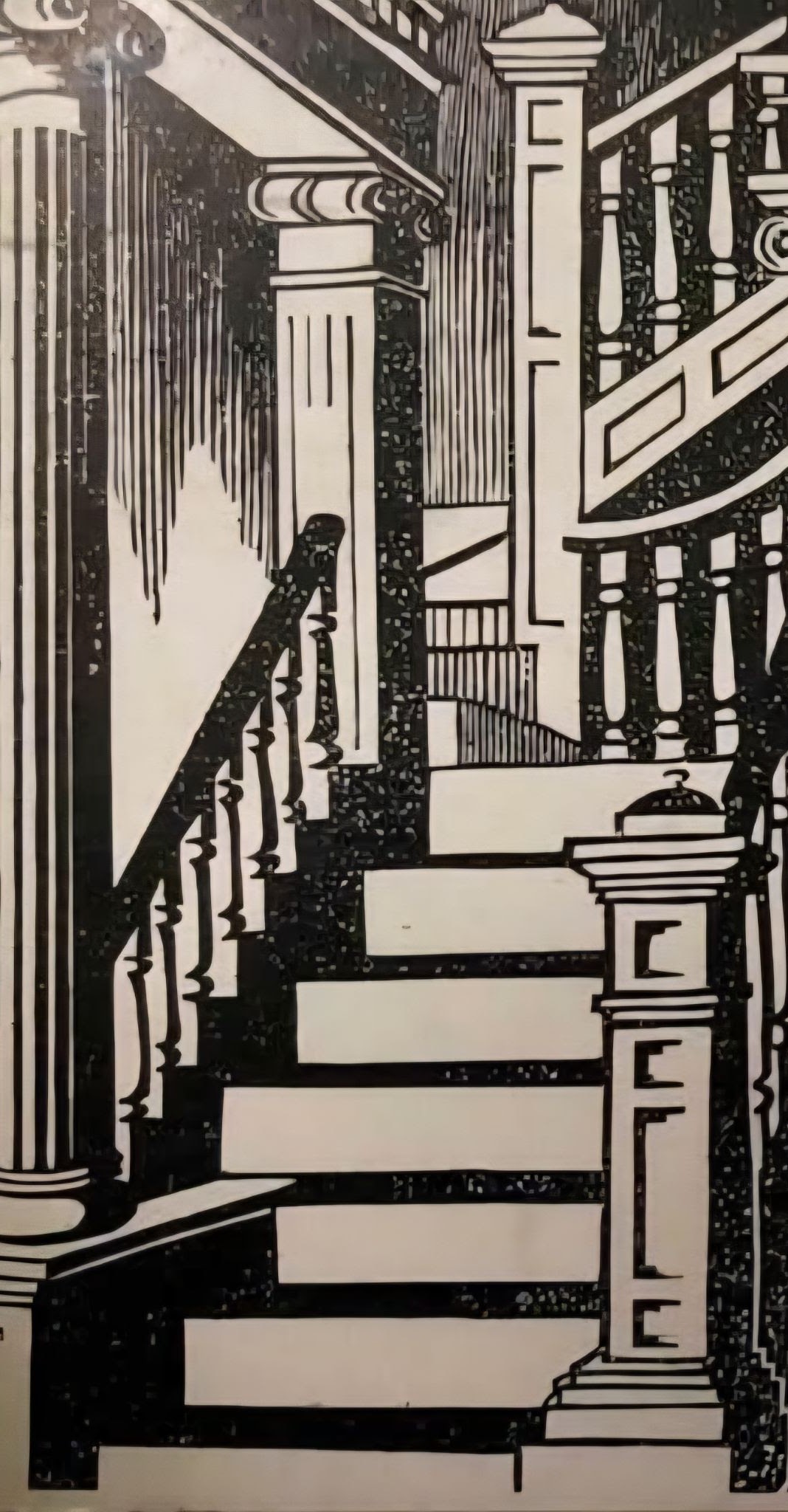
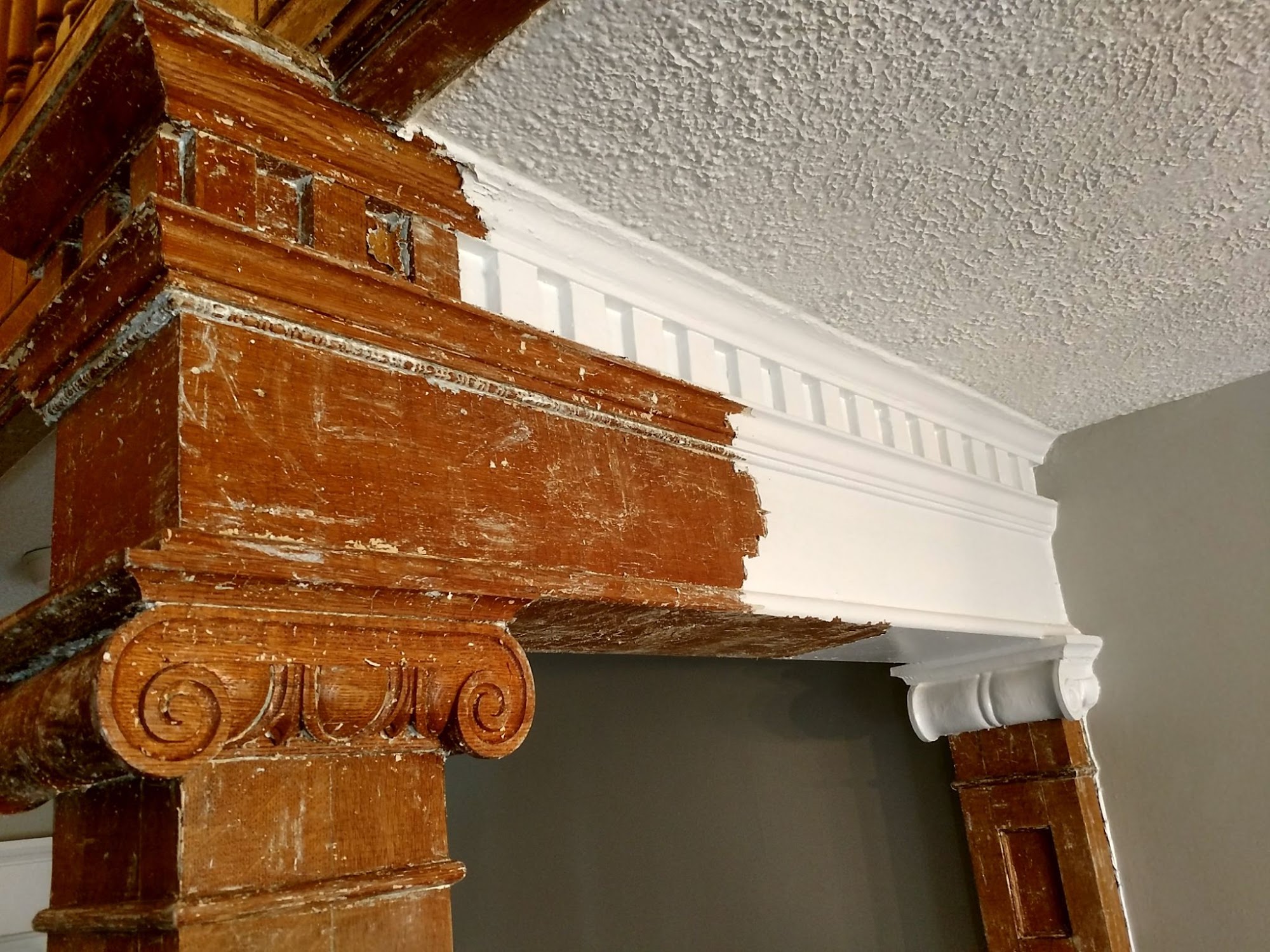
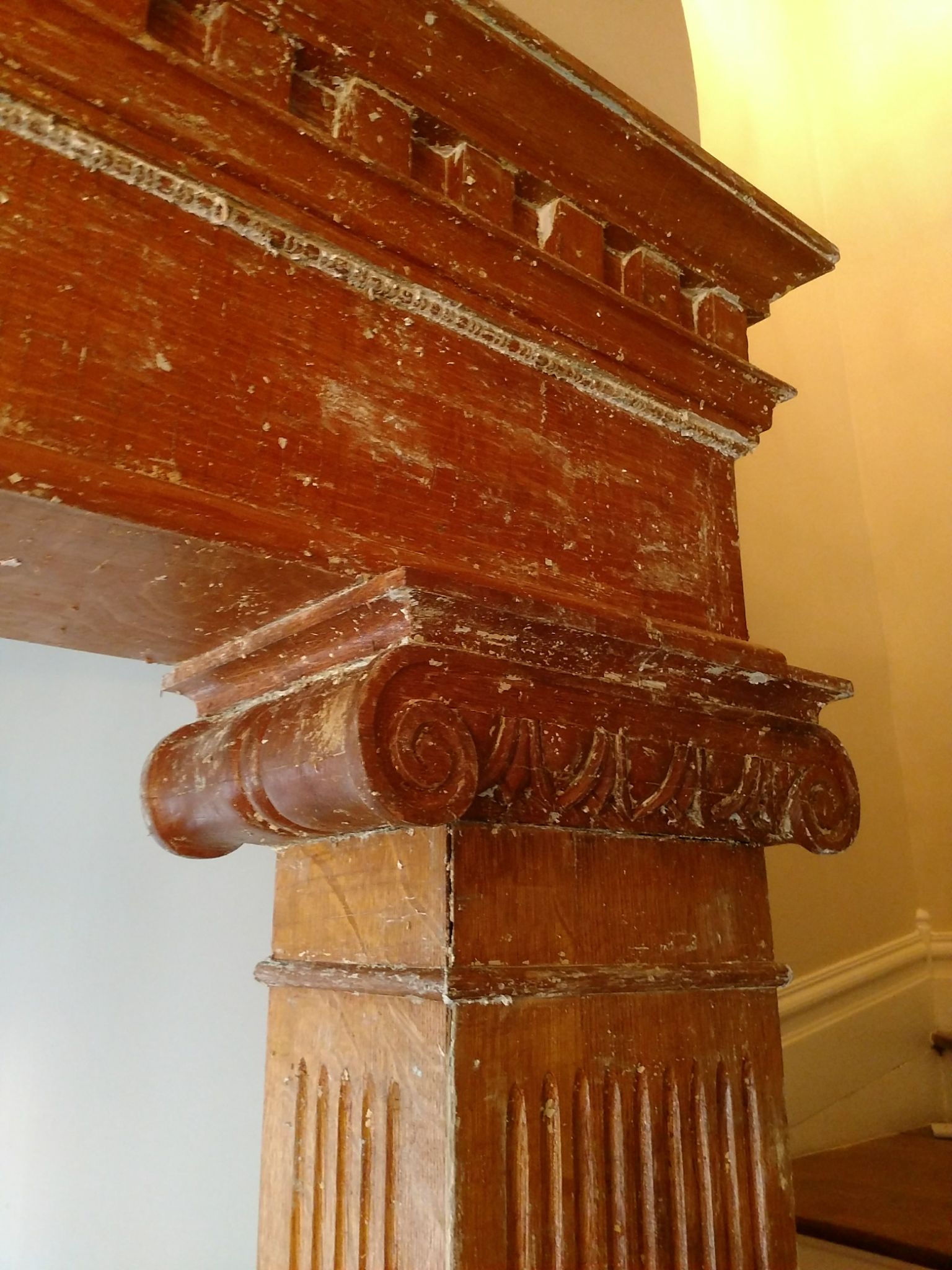
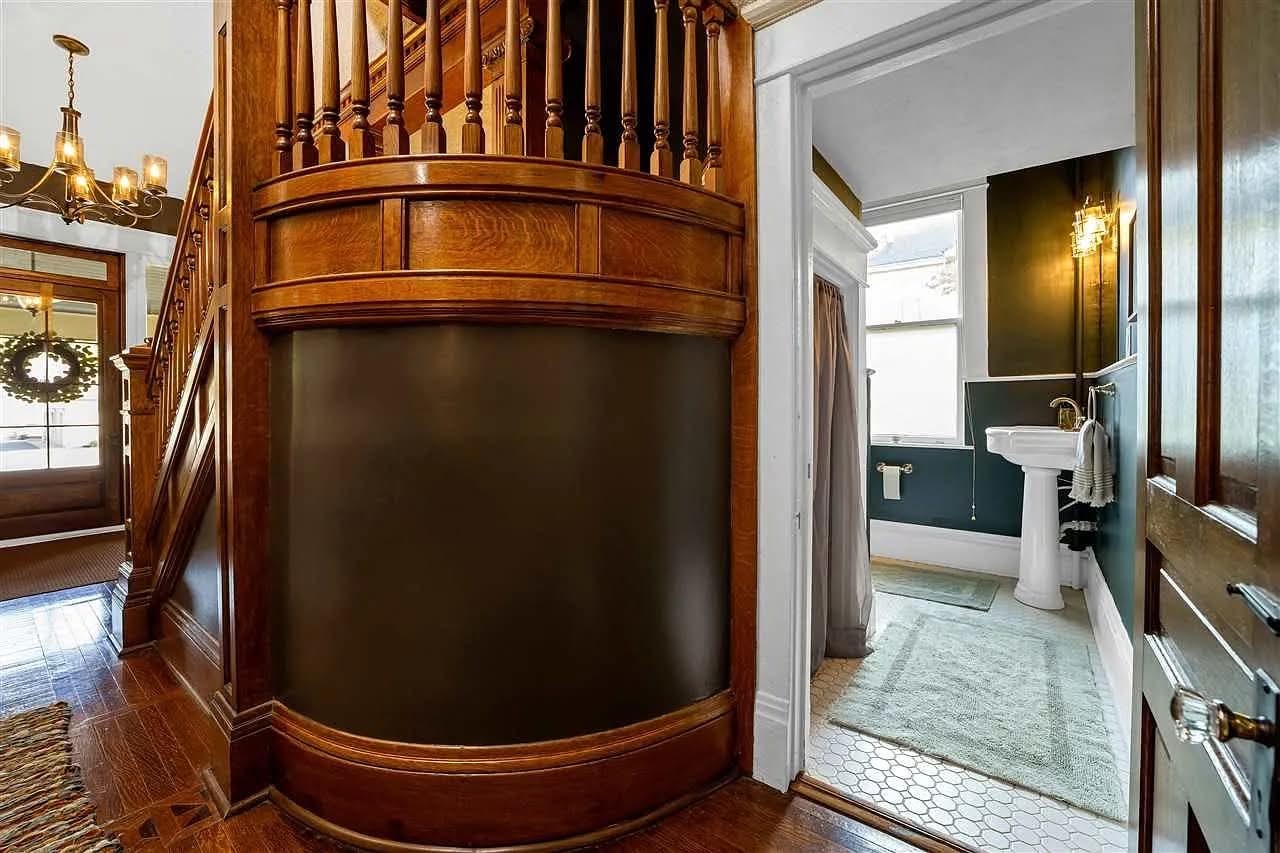
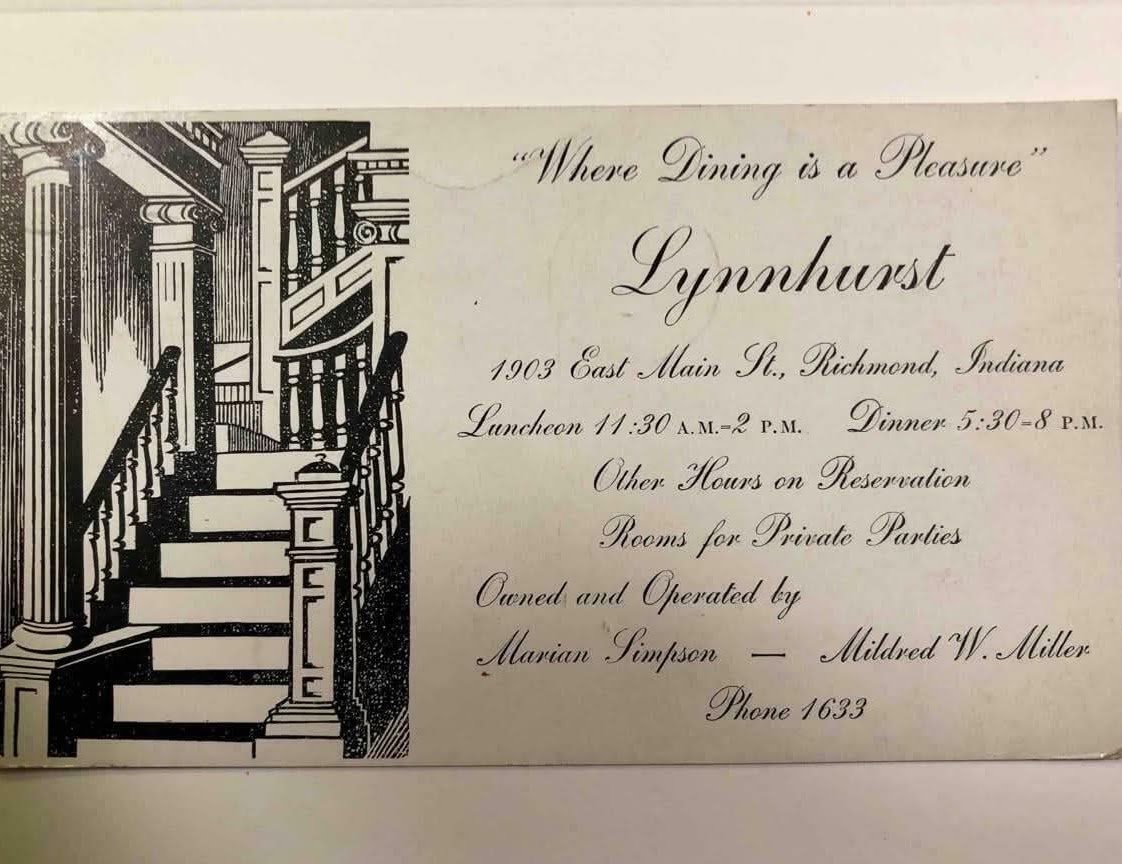
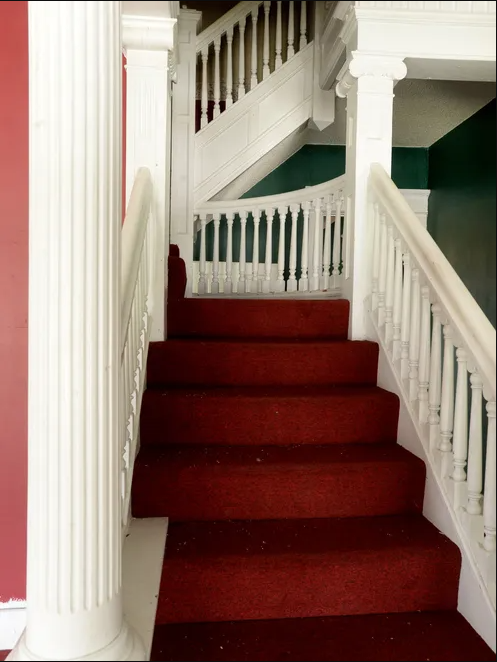
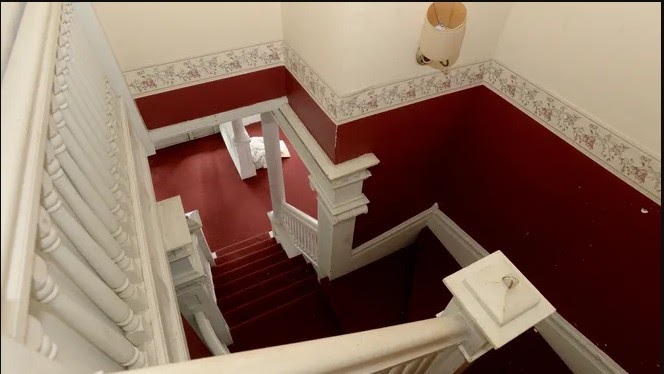
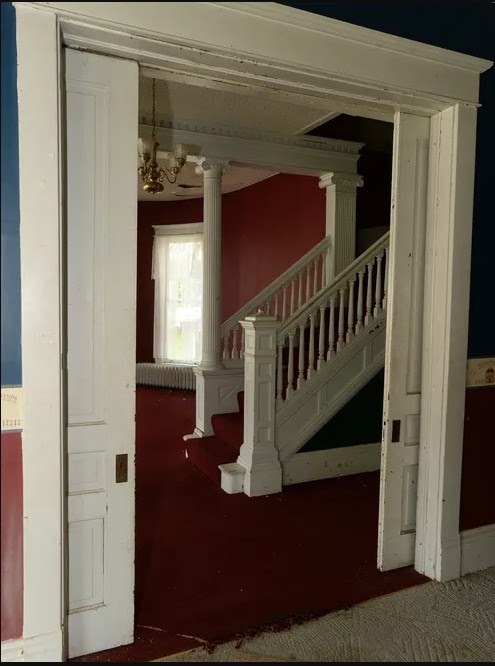
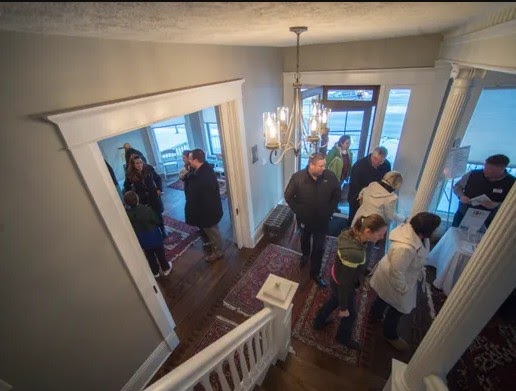
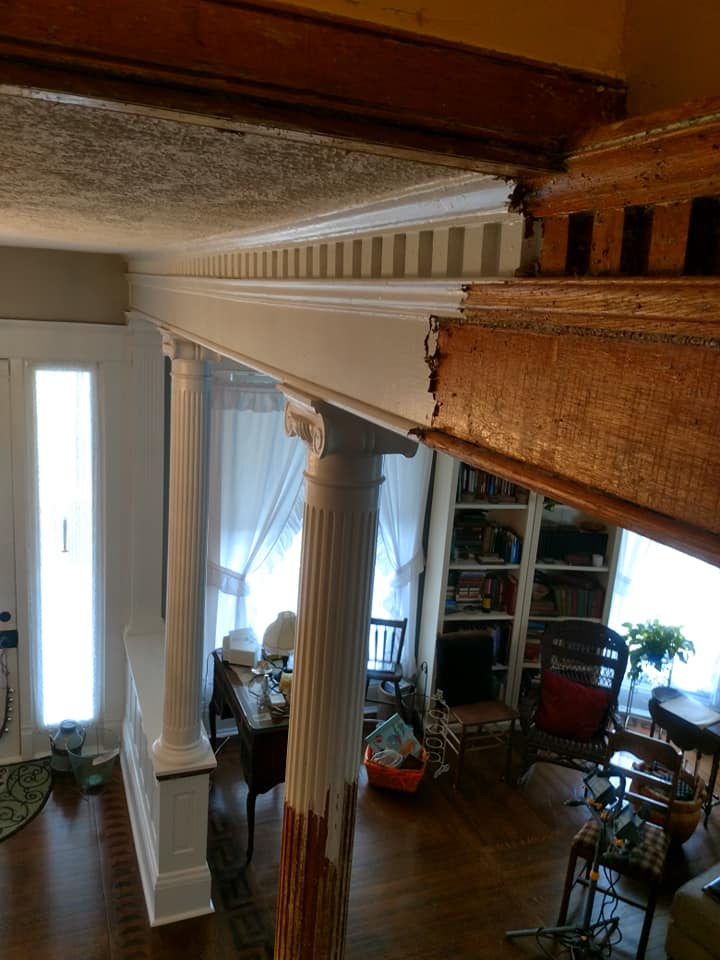
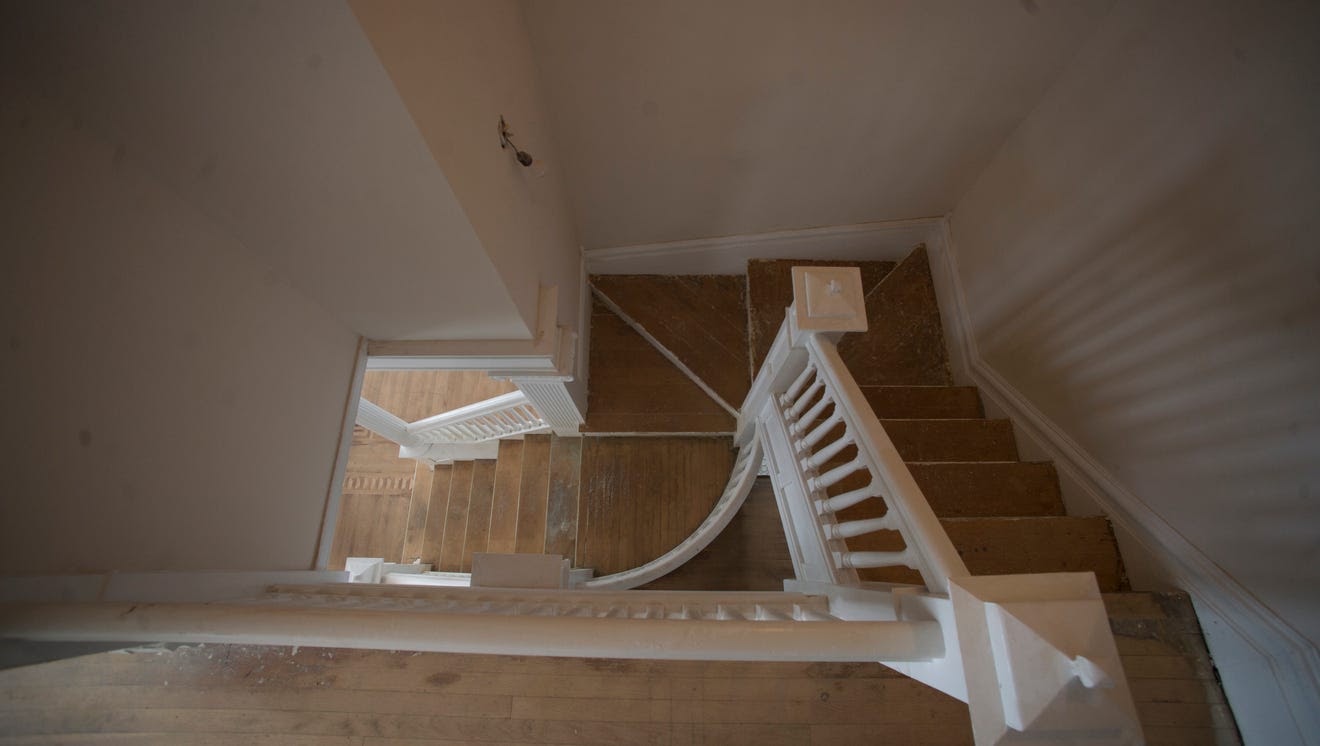
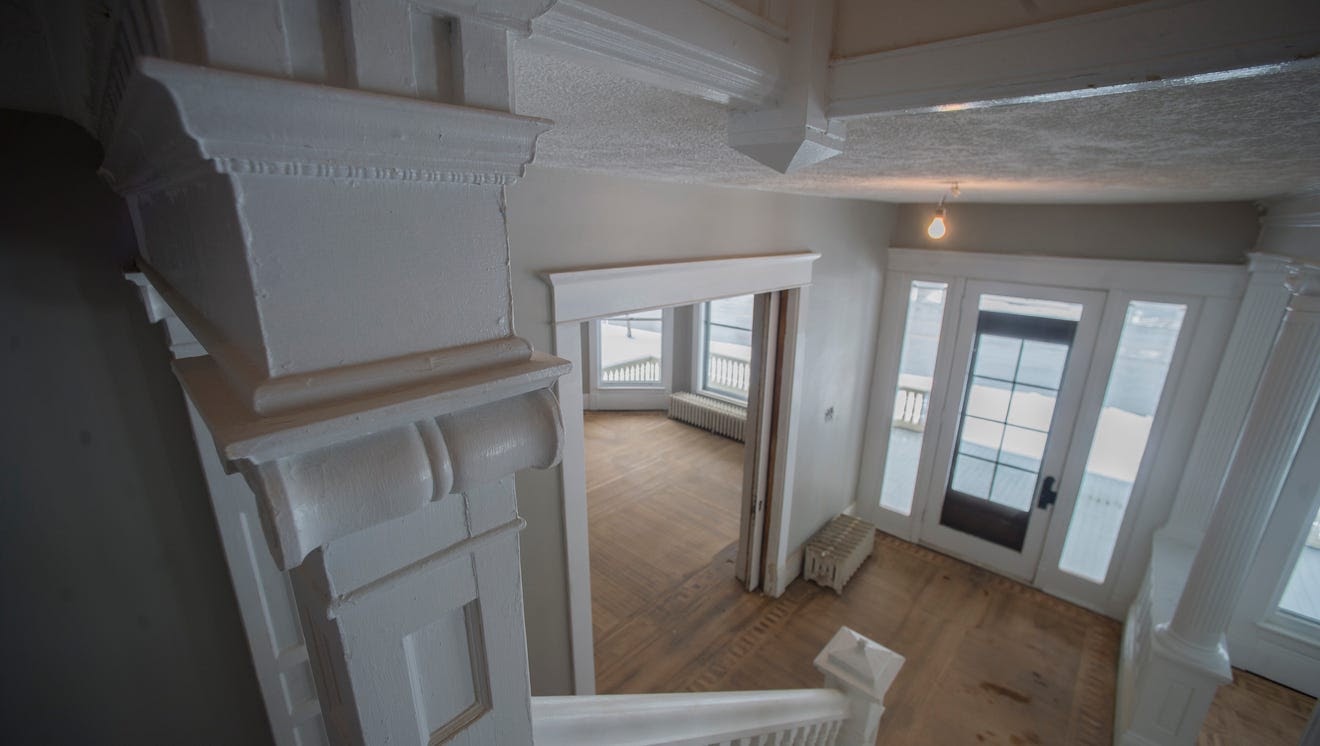
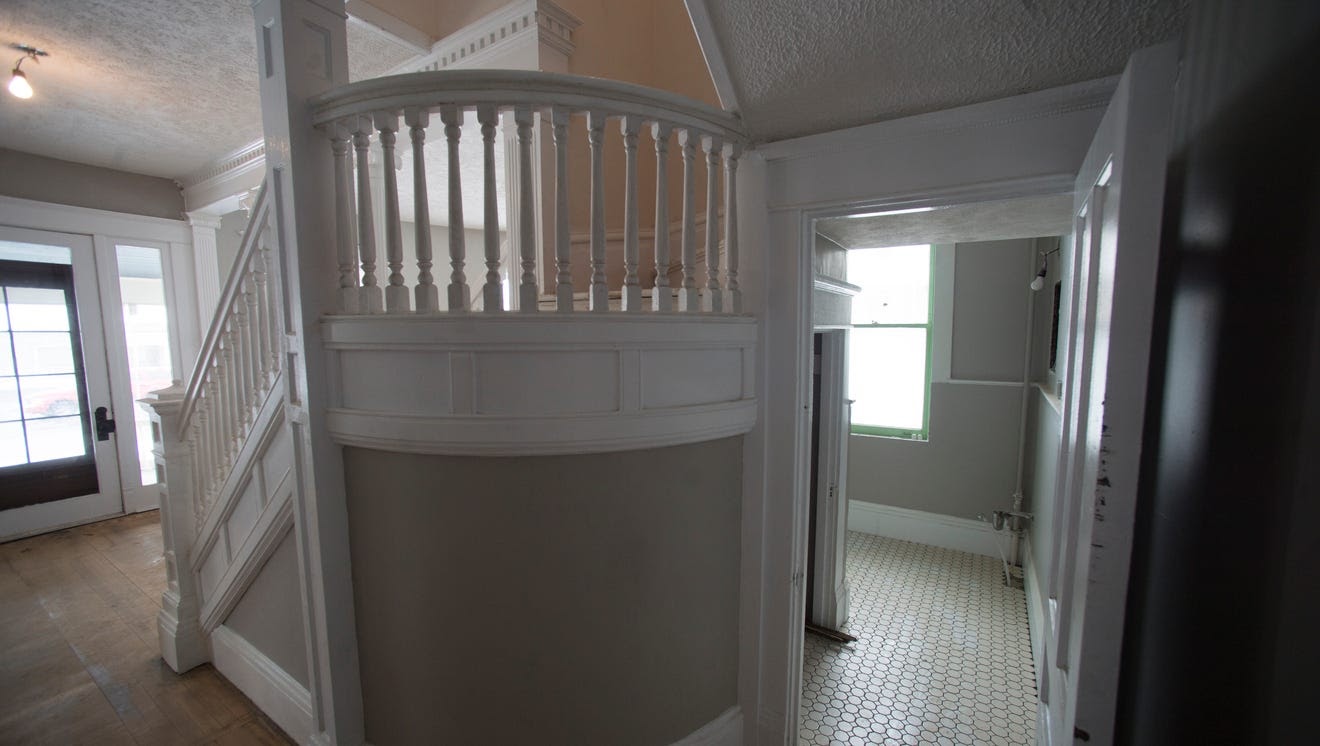
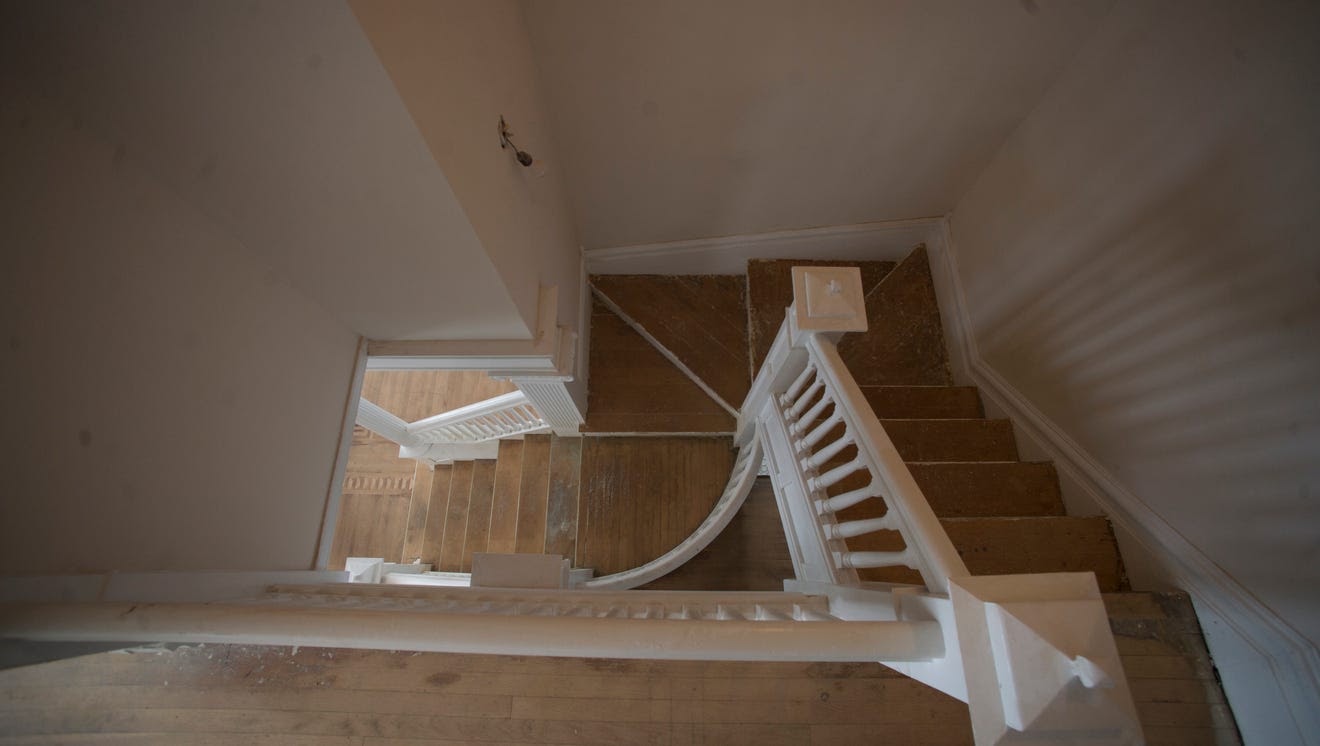
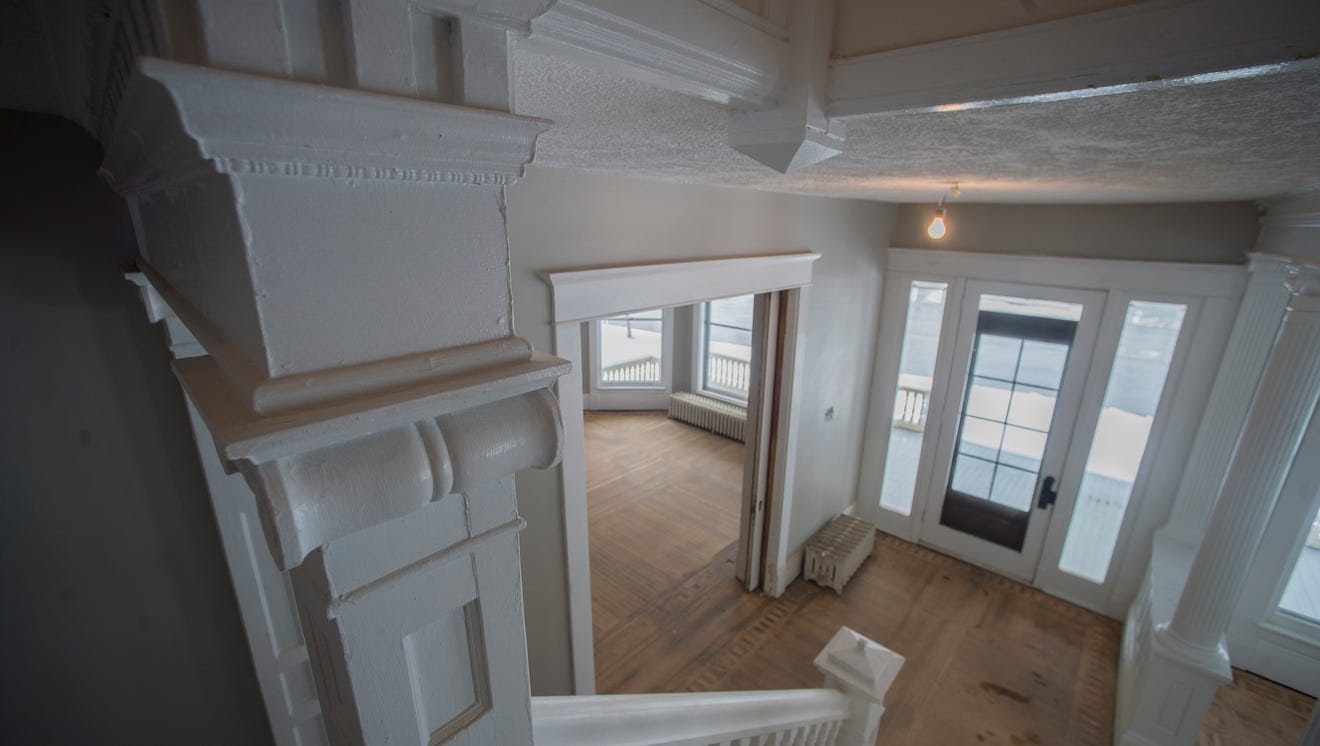
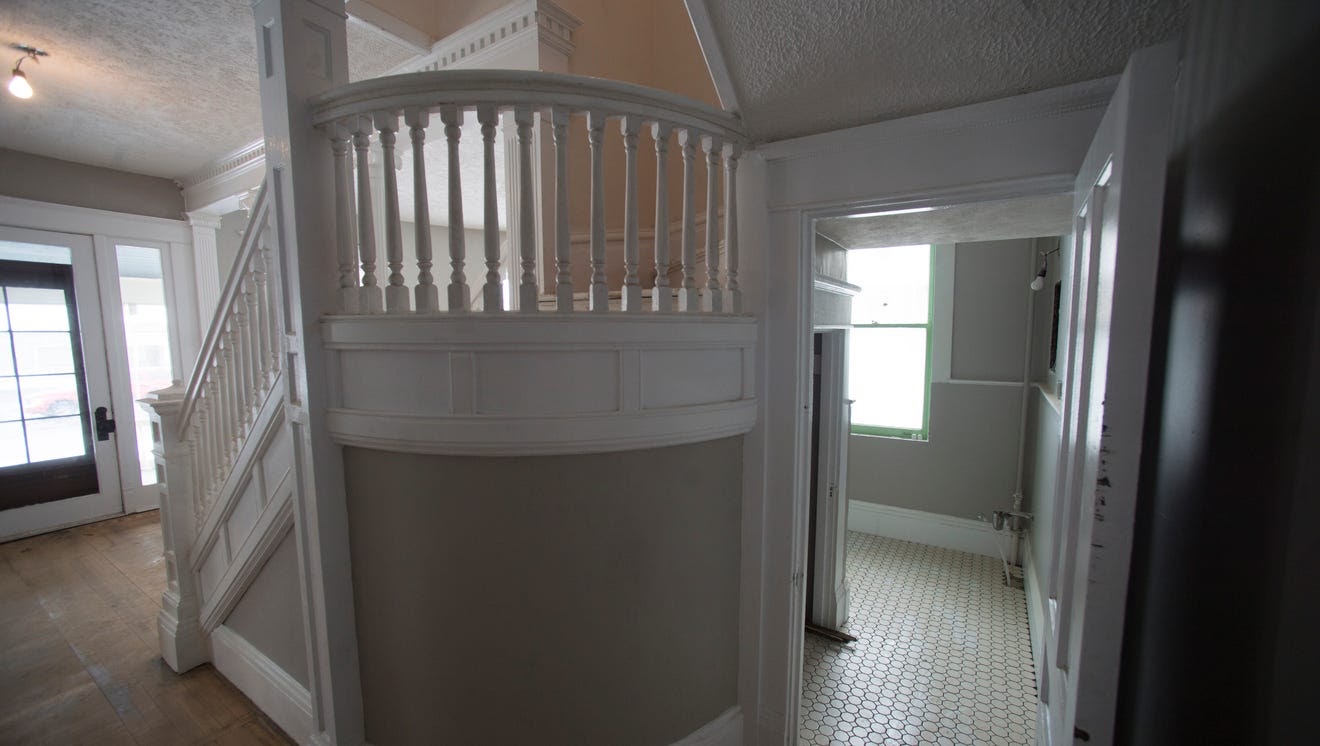
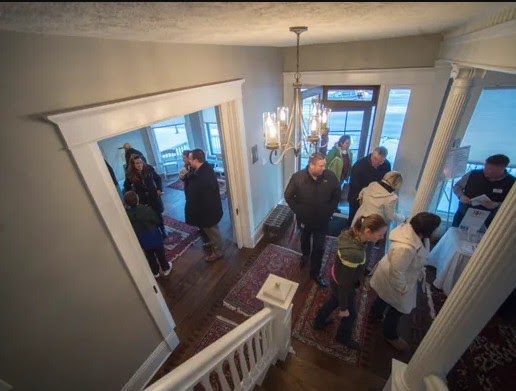
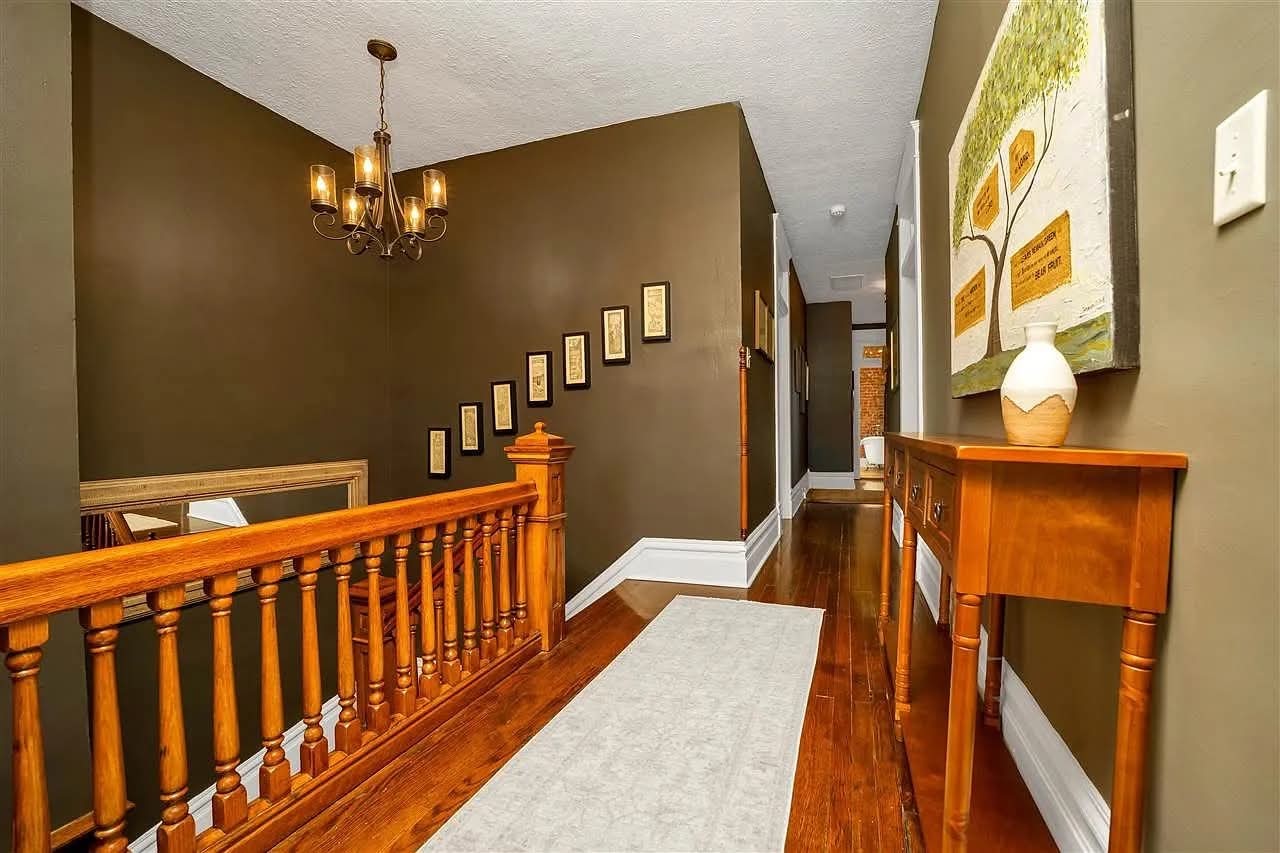
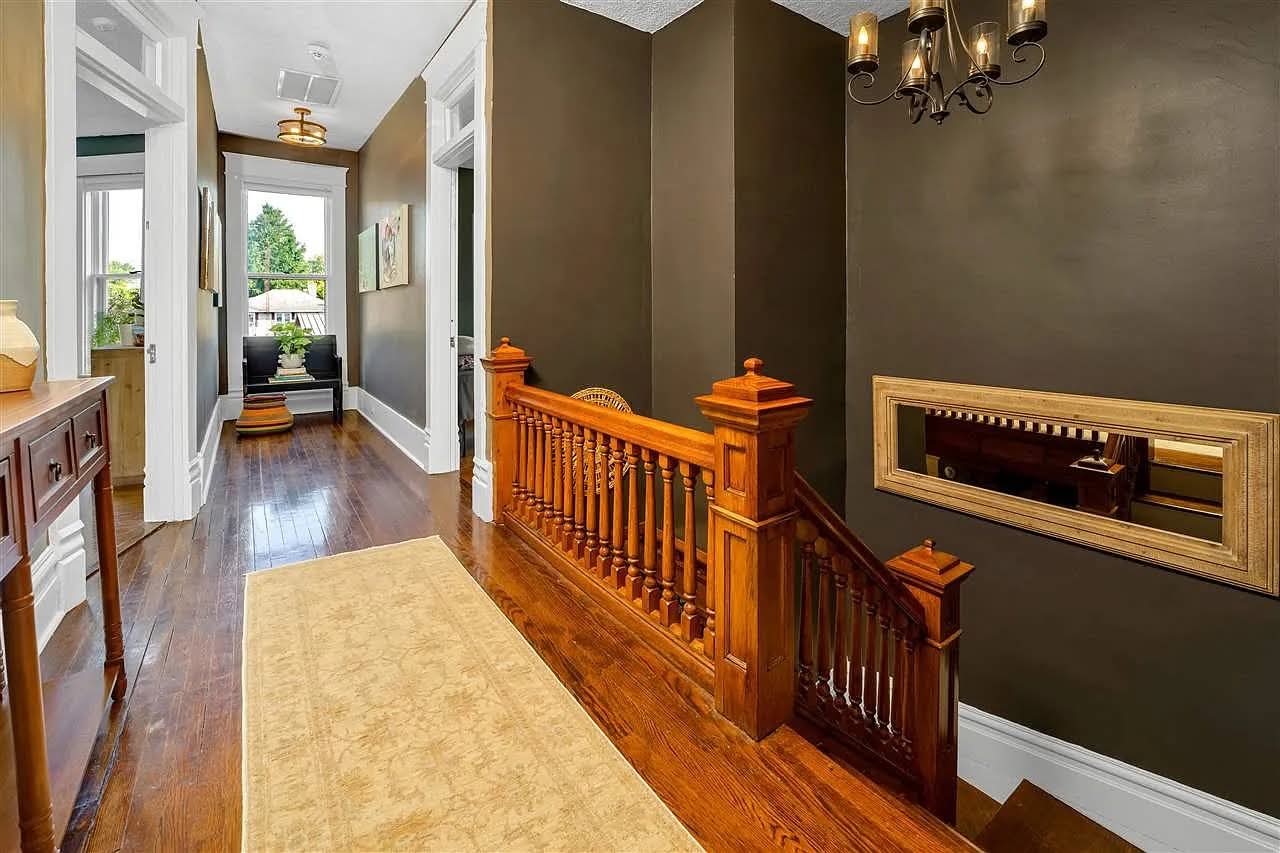
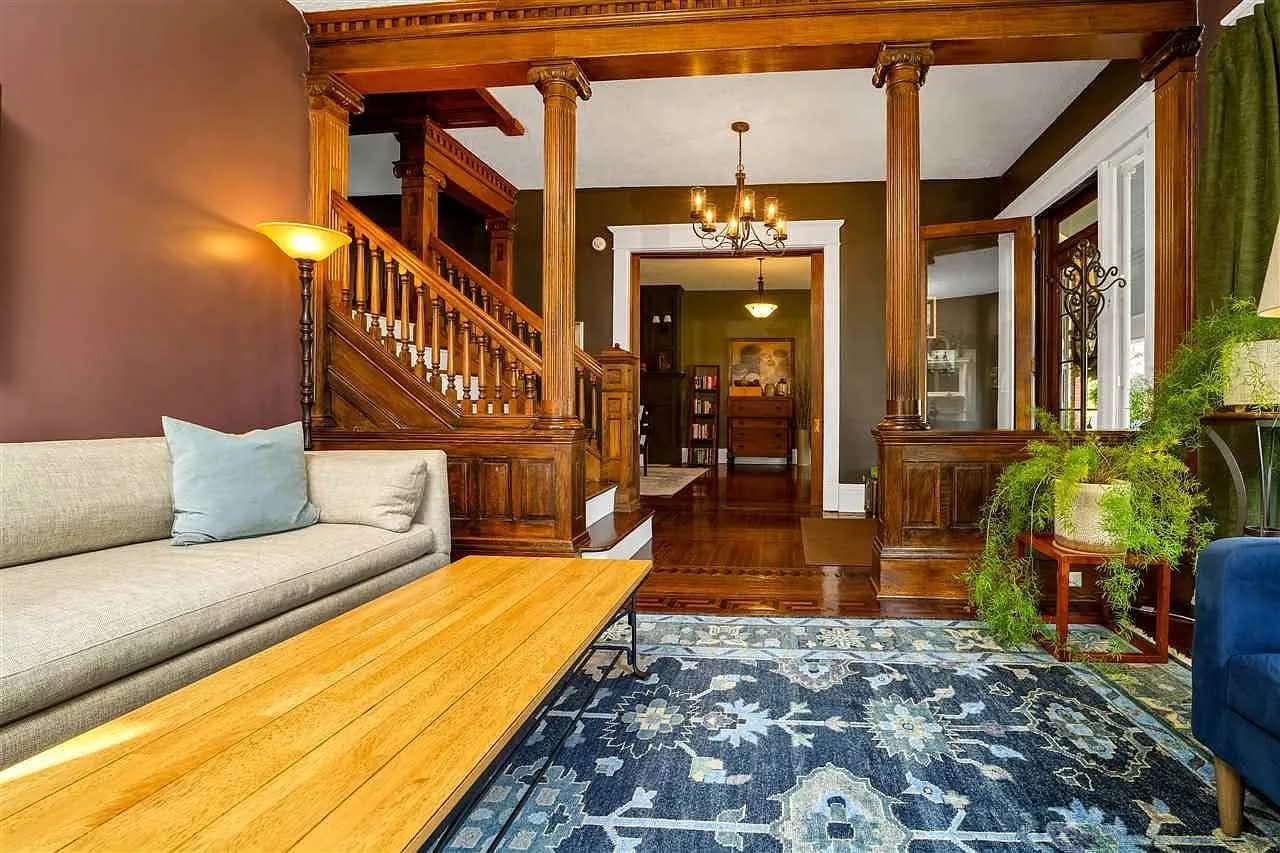
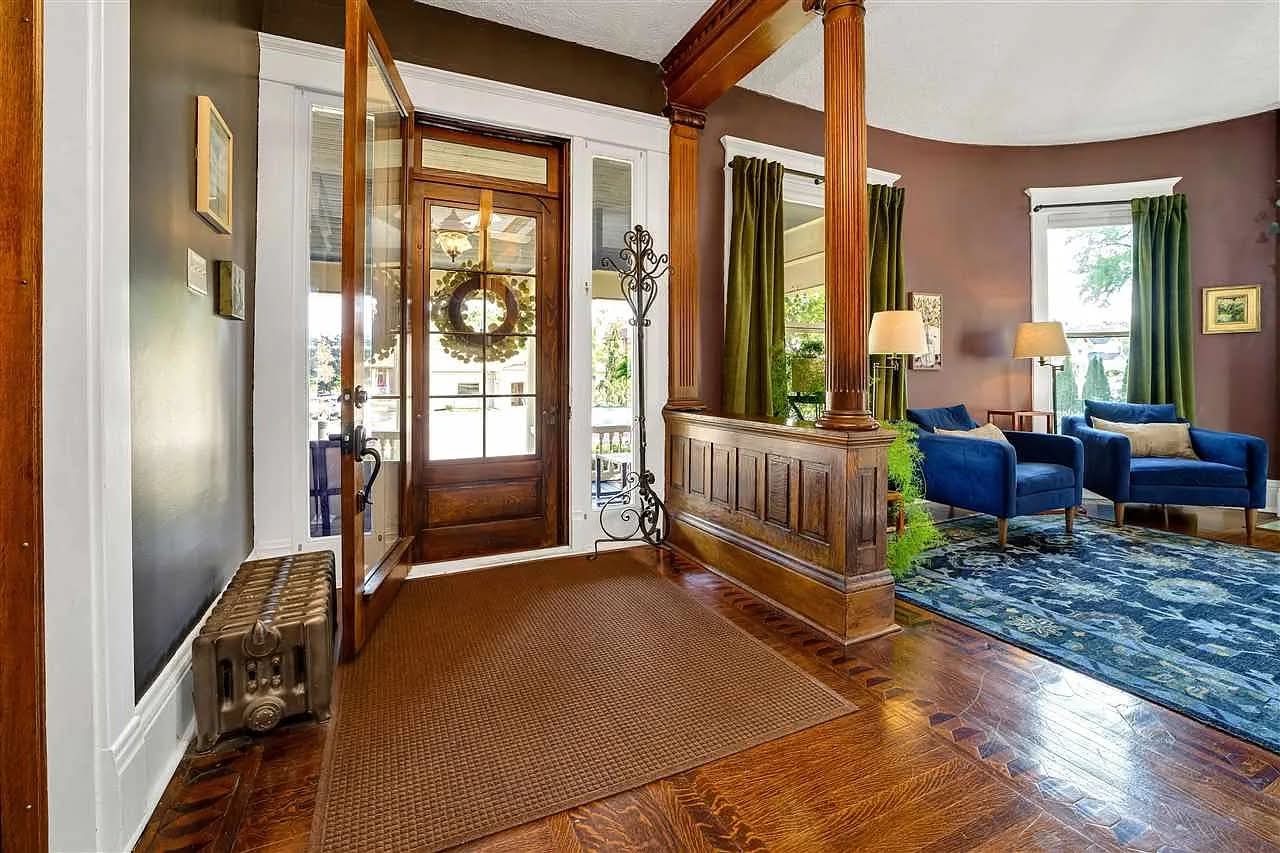
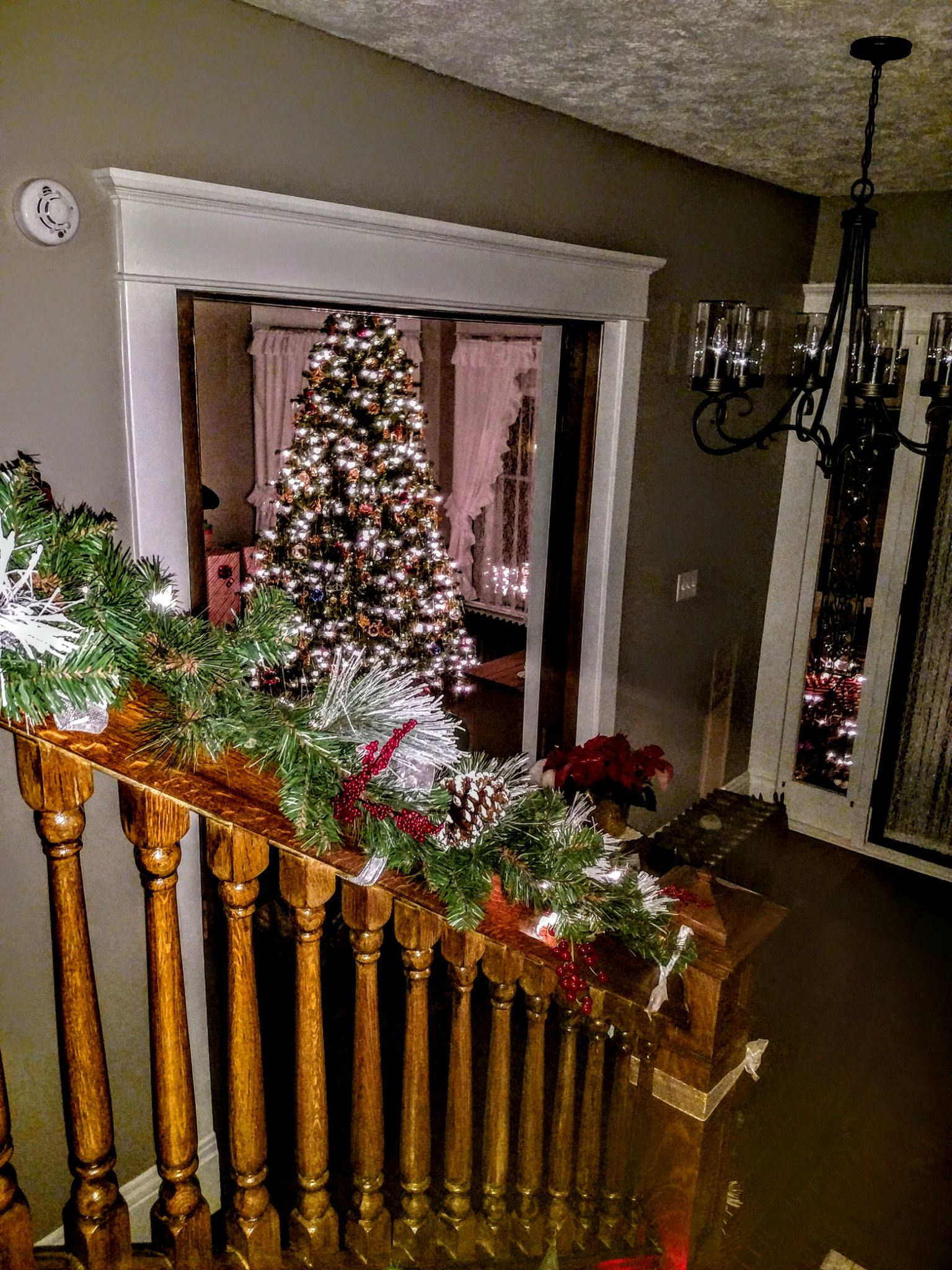
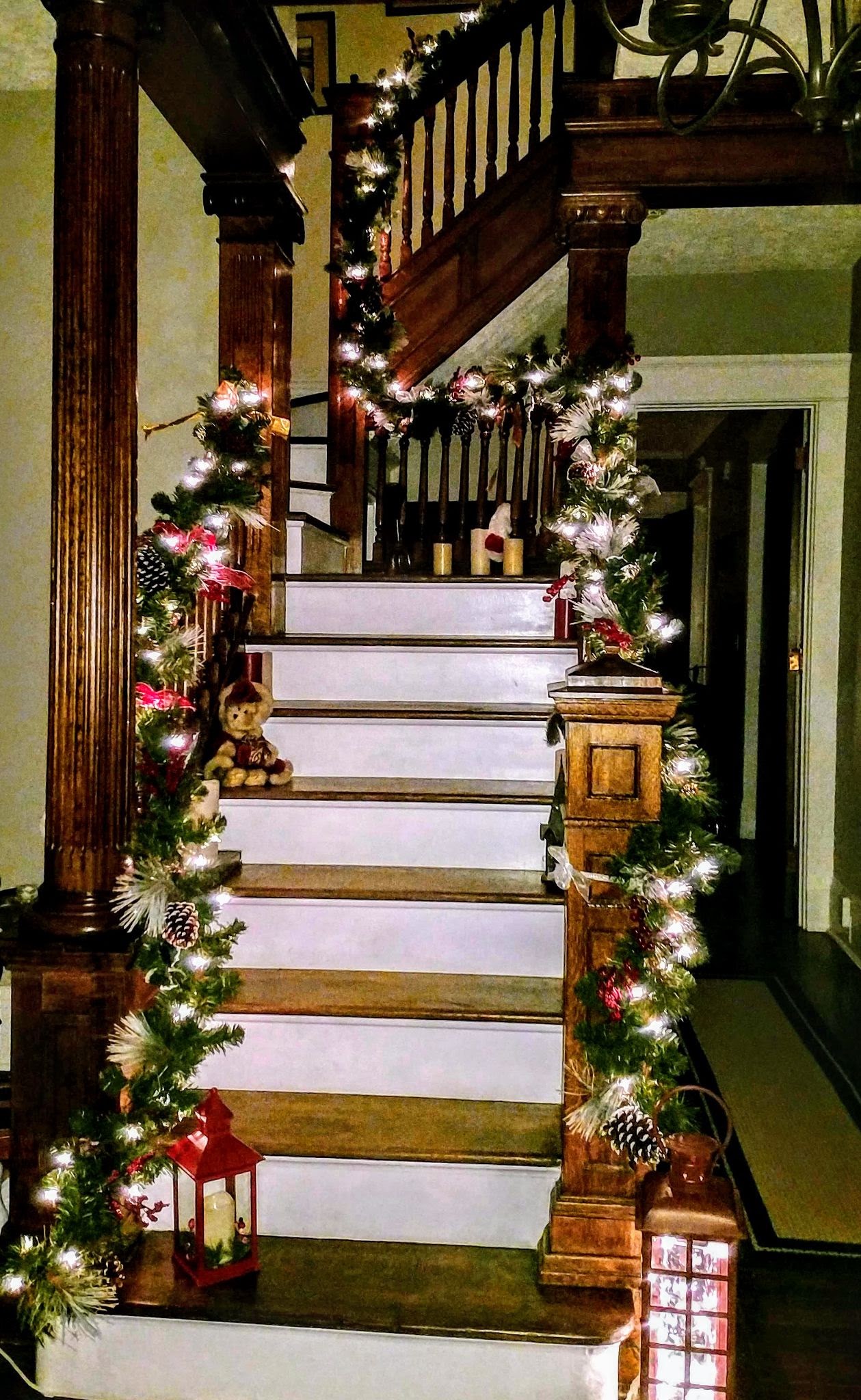
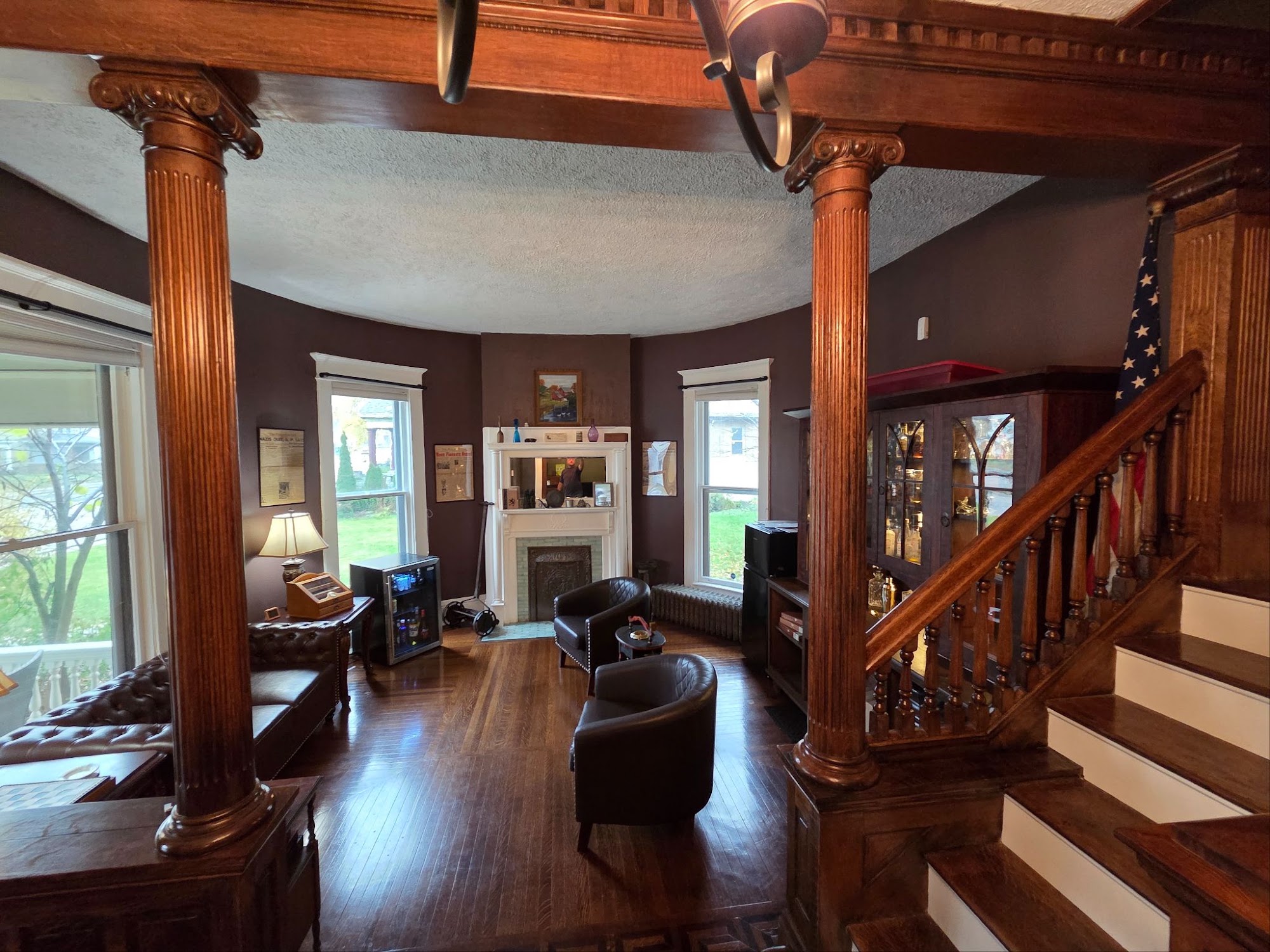
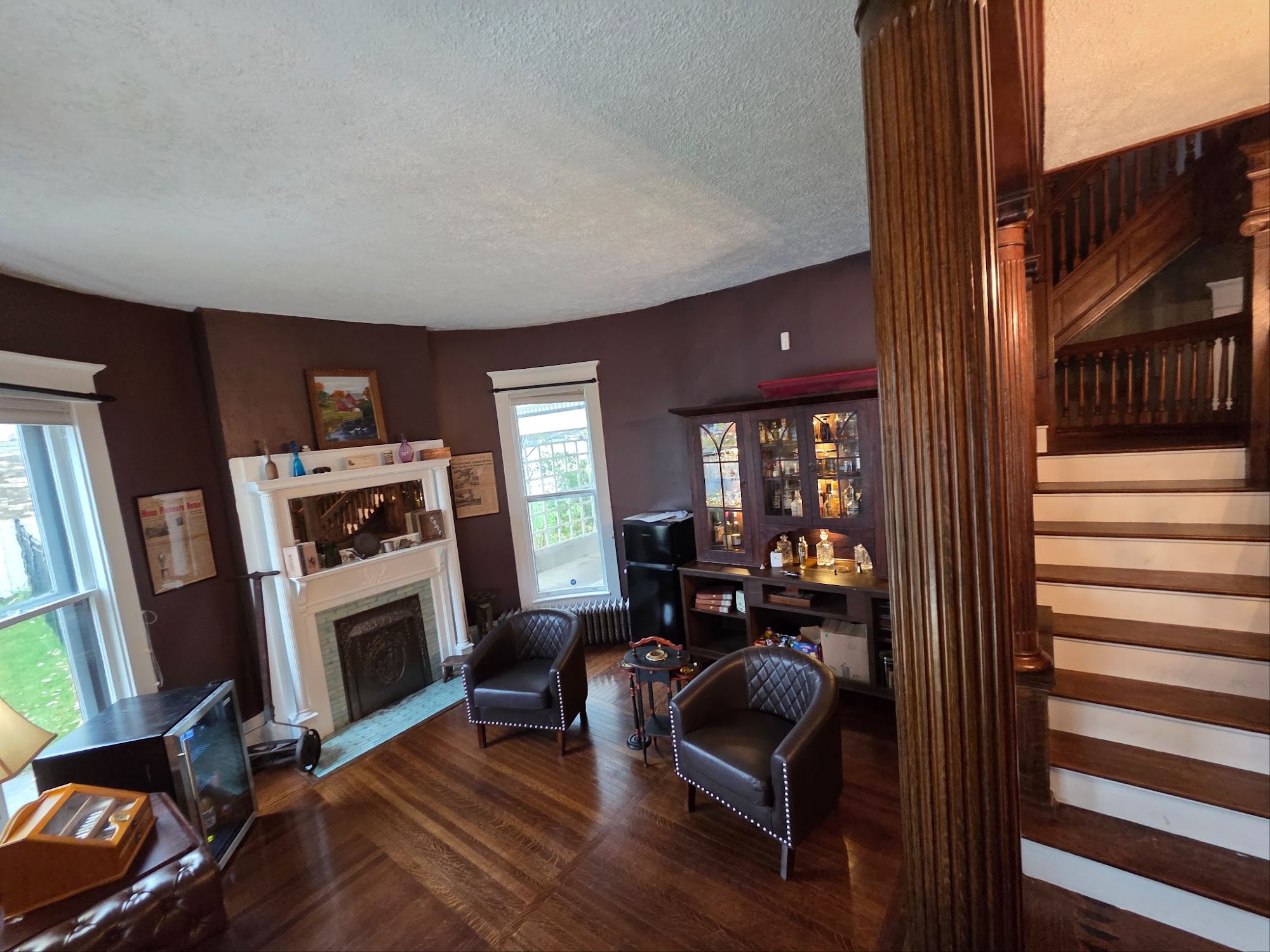
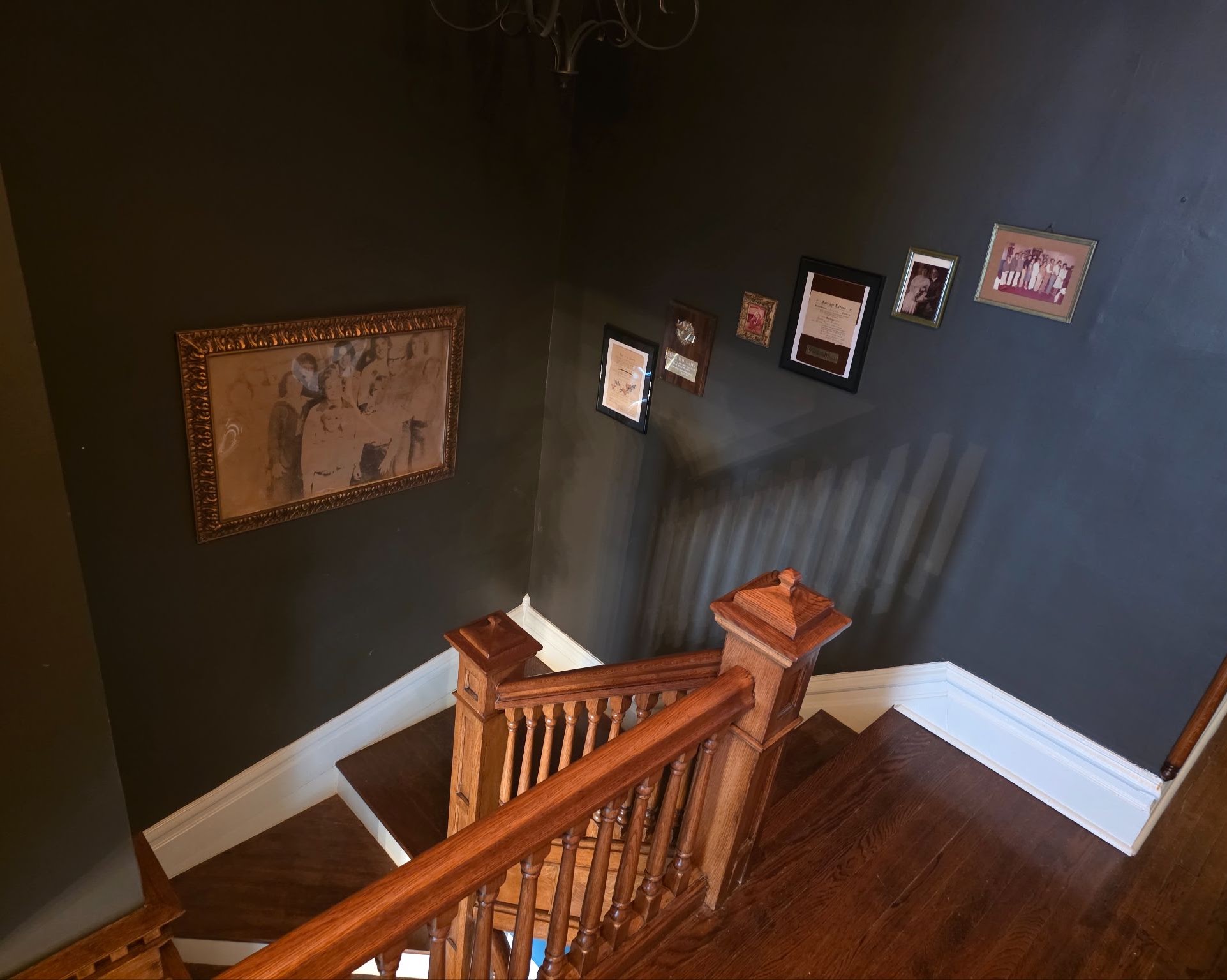
The front hall is built around its staircase. A carved newel and turned balusters carry the rail up to the landing, and quartersawn oak sets the tone for the rooms beyond. The menu card from the Lynnhurst years drew the same staircase, with its newel posts paneled in a key pattern.
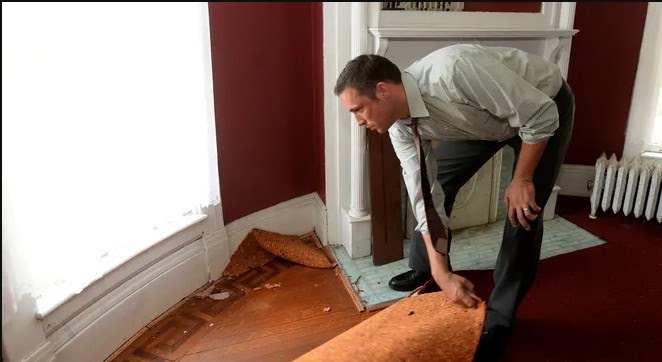
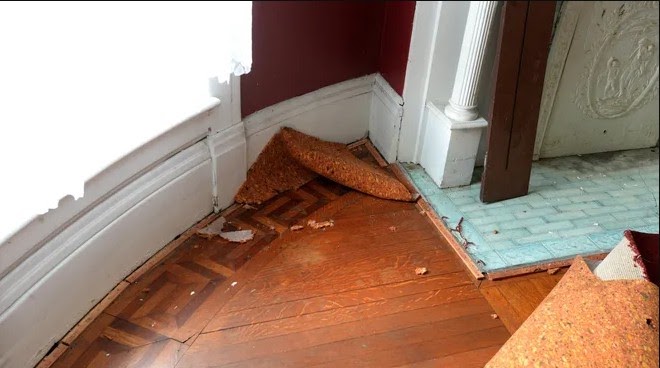
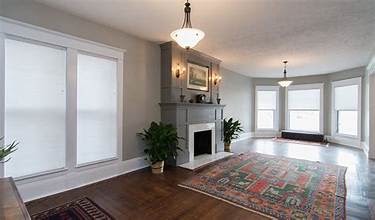
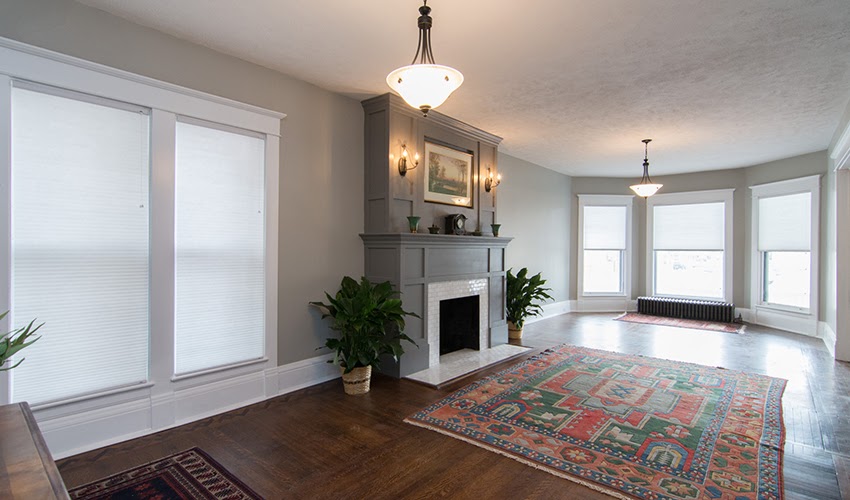
Underfoot, the floors are laid in walnut and quartersawn oak. A Greek-key meander and a sawtooth border of pyramid blocks run around a herringbone field. Those two inlays frame every page of this site.
II · Building the House
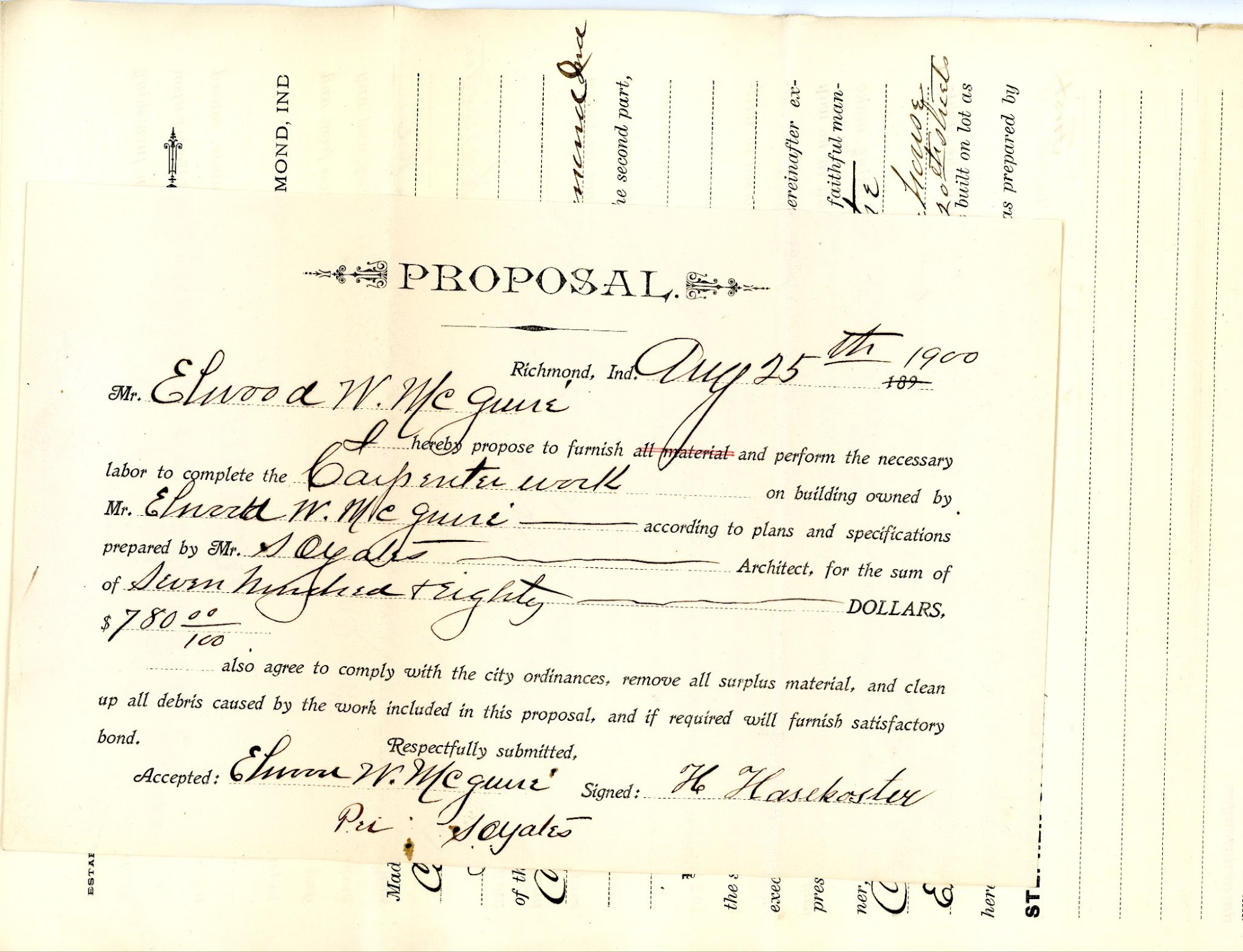
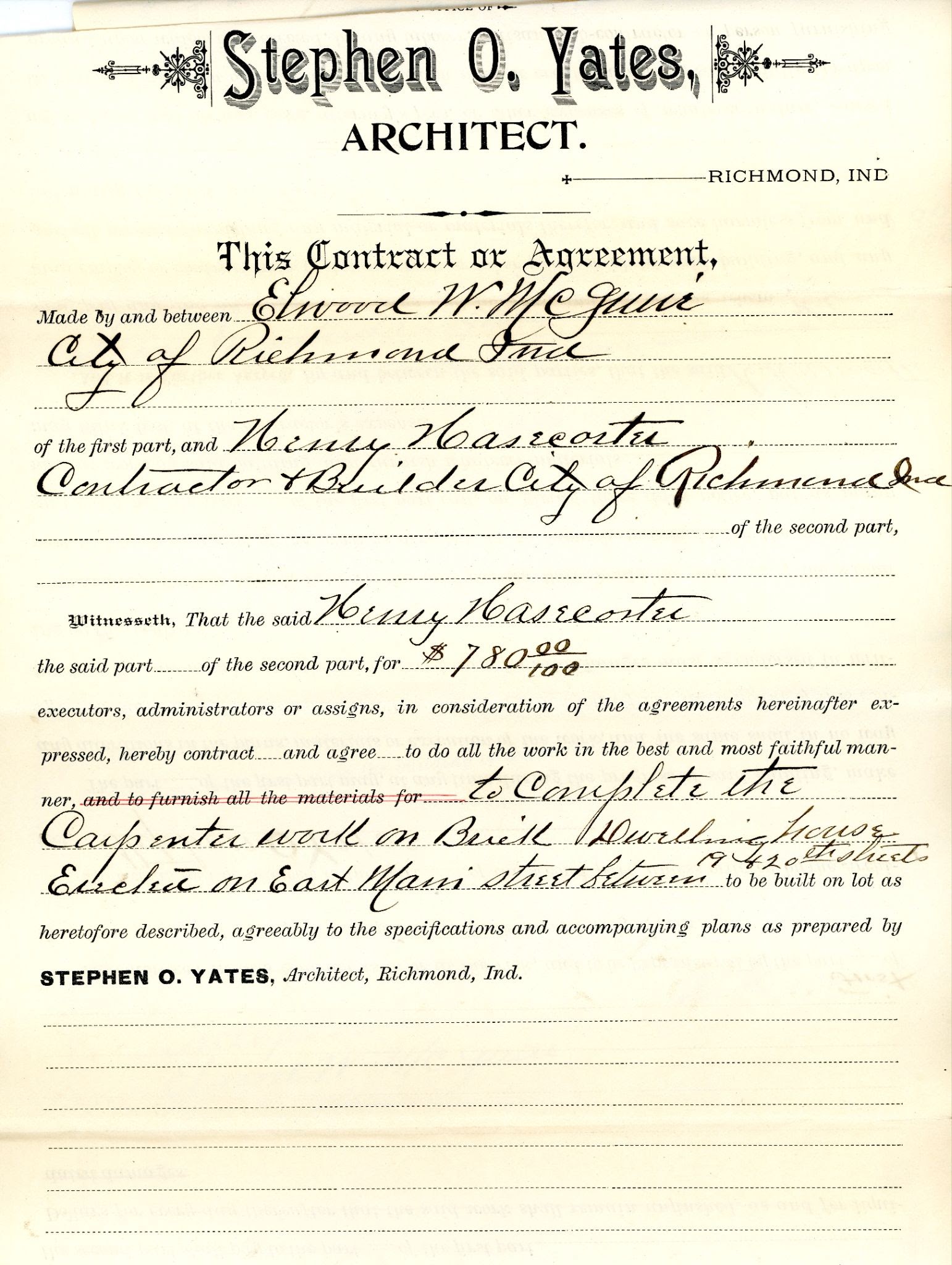
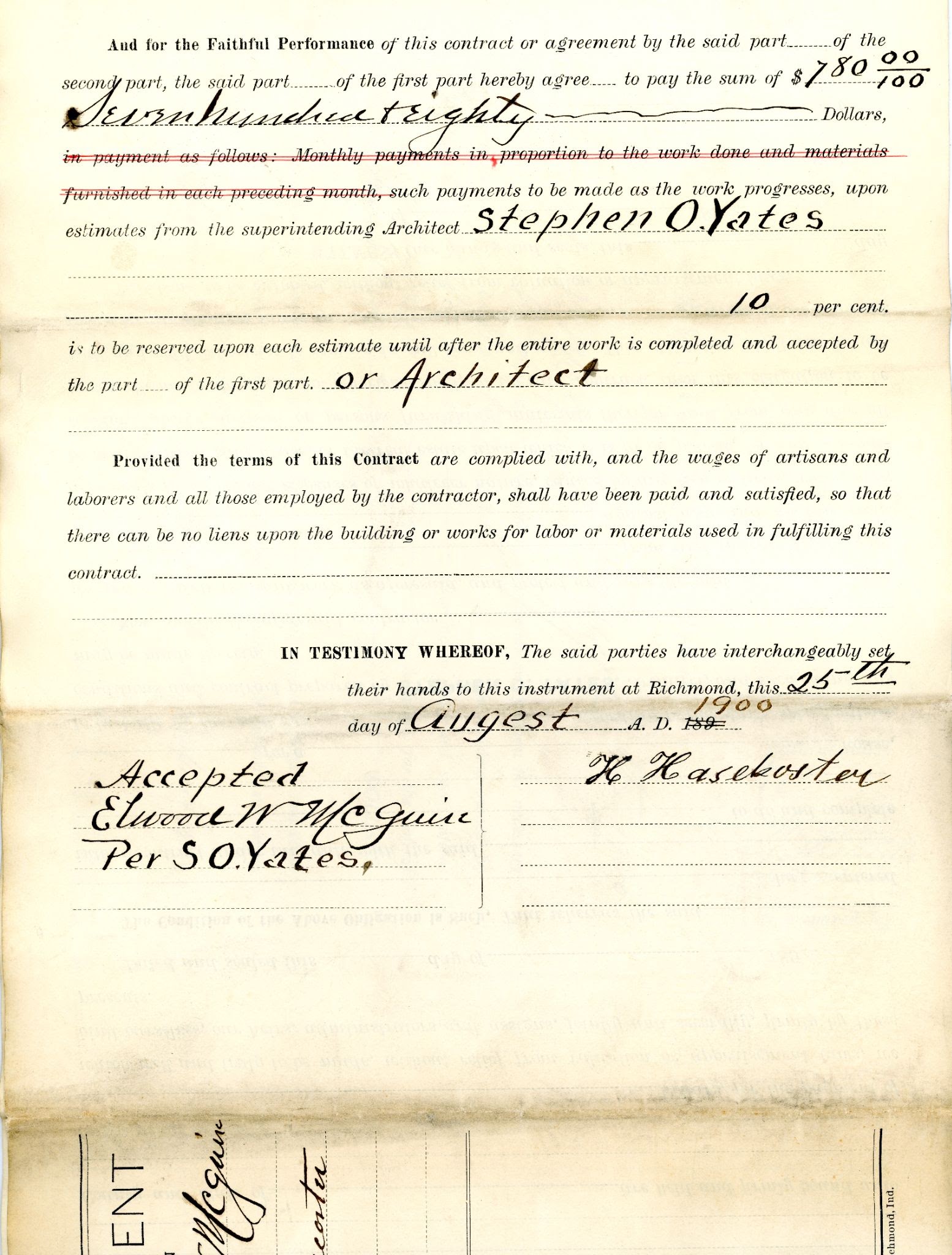
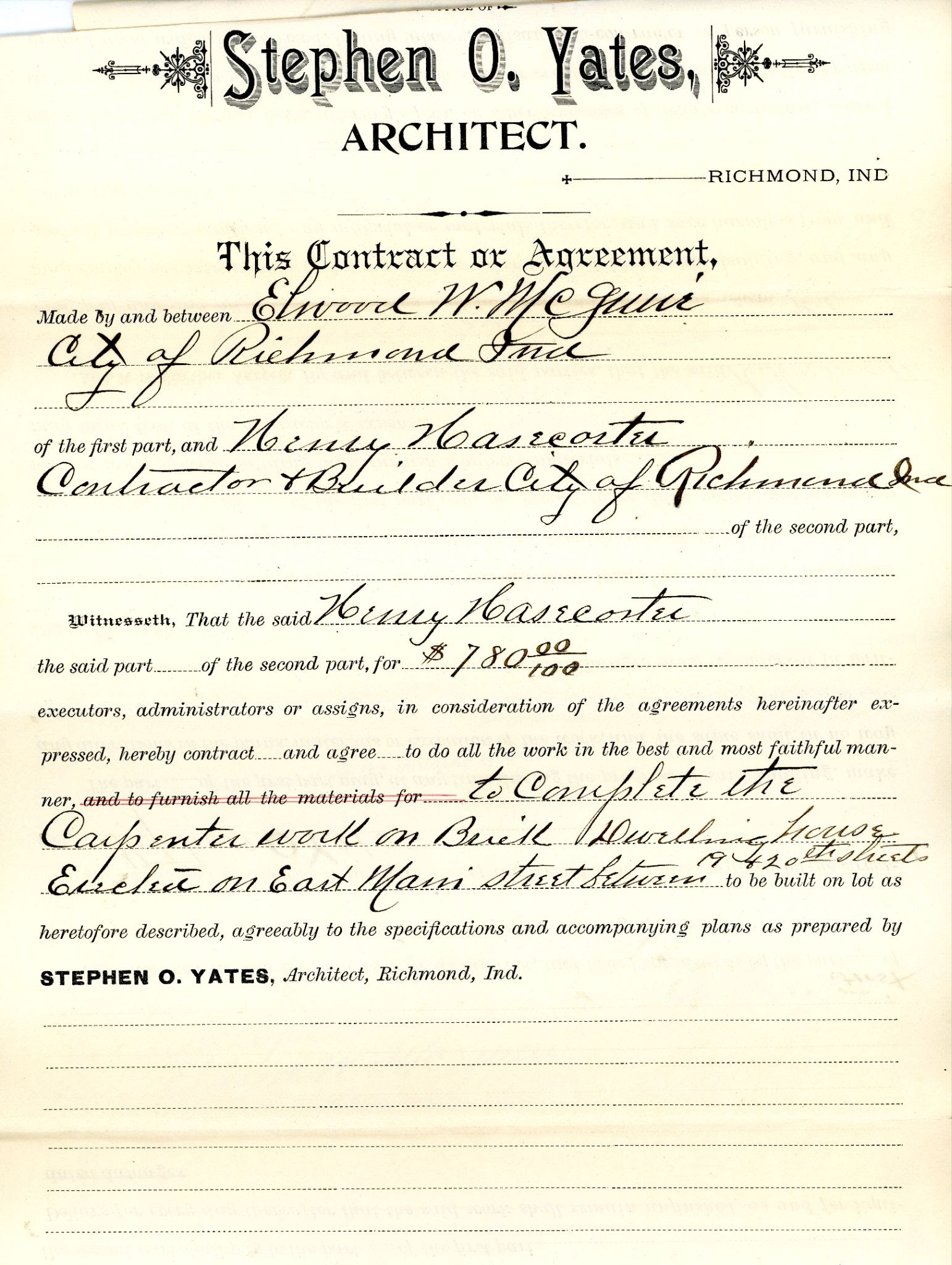
The original papers survive. On August 25, 1900, Henry Hasecoster, who styled himself “Contractor & Builder,” agreed to do the carpentry on a brick dwelling on East Main Street between 19th and 20th Streets for $780. The work followed the plans of Stephen O. Yates, Architect.
Yates accepted the proposal on behalf of E. W. McGuire. The contract is signed “H. Hasecoster.”
Henry Hasecoster shares a surname with John A. Hasecoster, the architect who lived next door at 1907. The two men’s relationship has not been confirmed.
III · The McGuires & the House Through Time
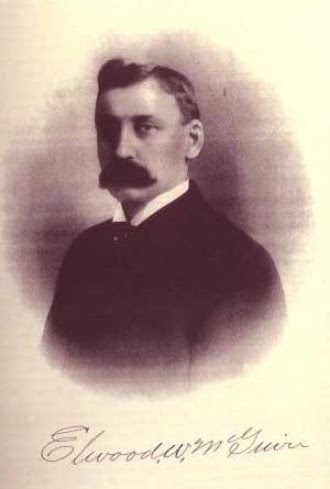
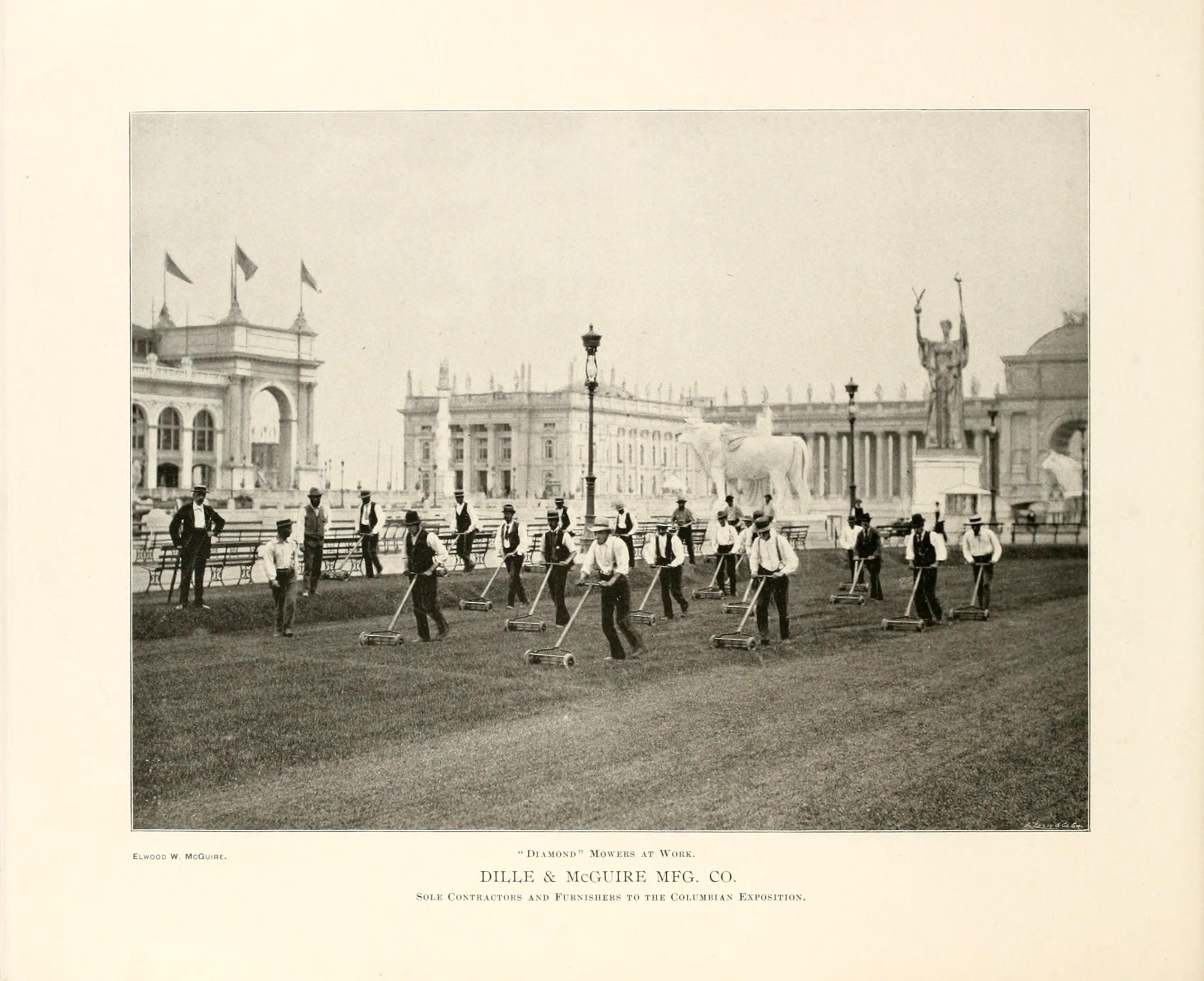
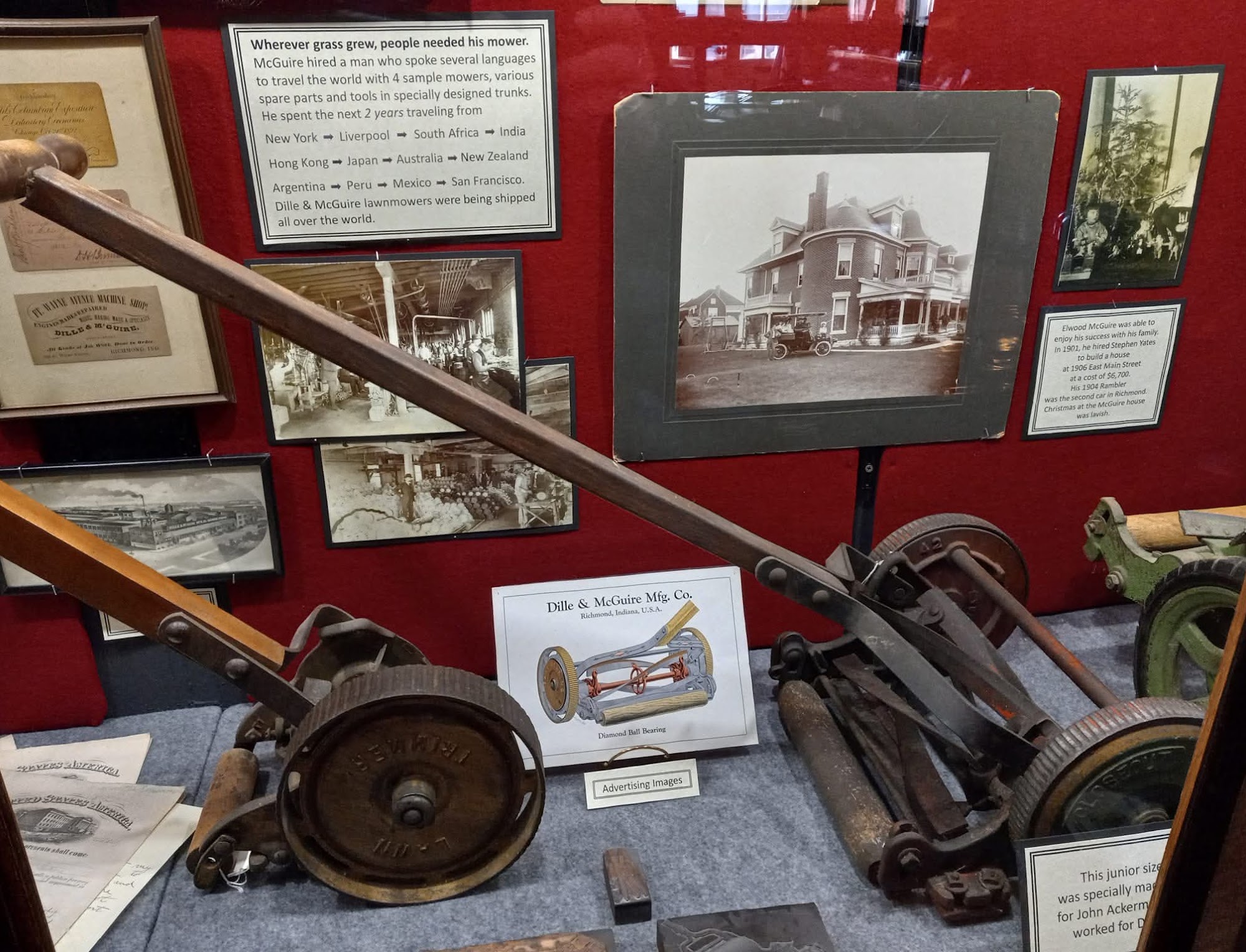
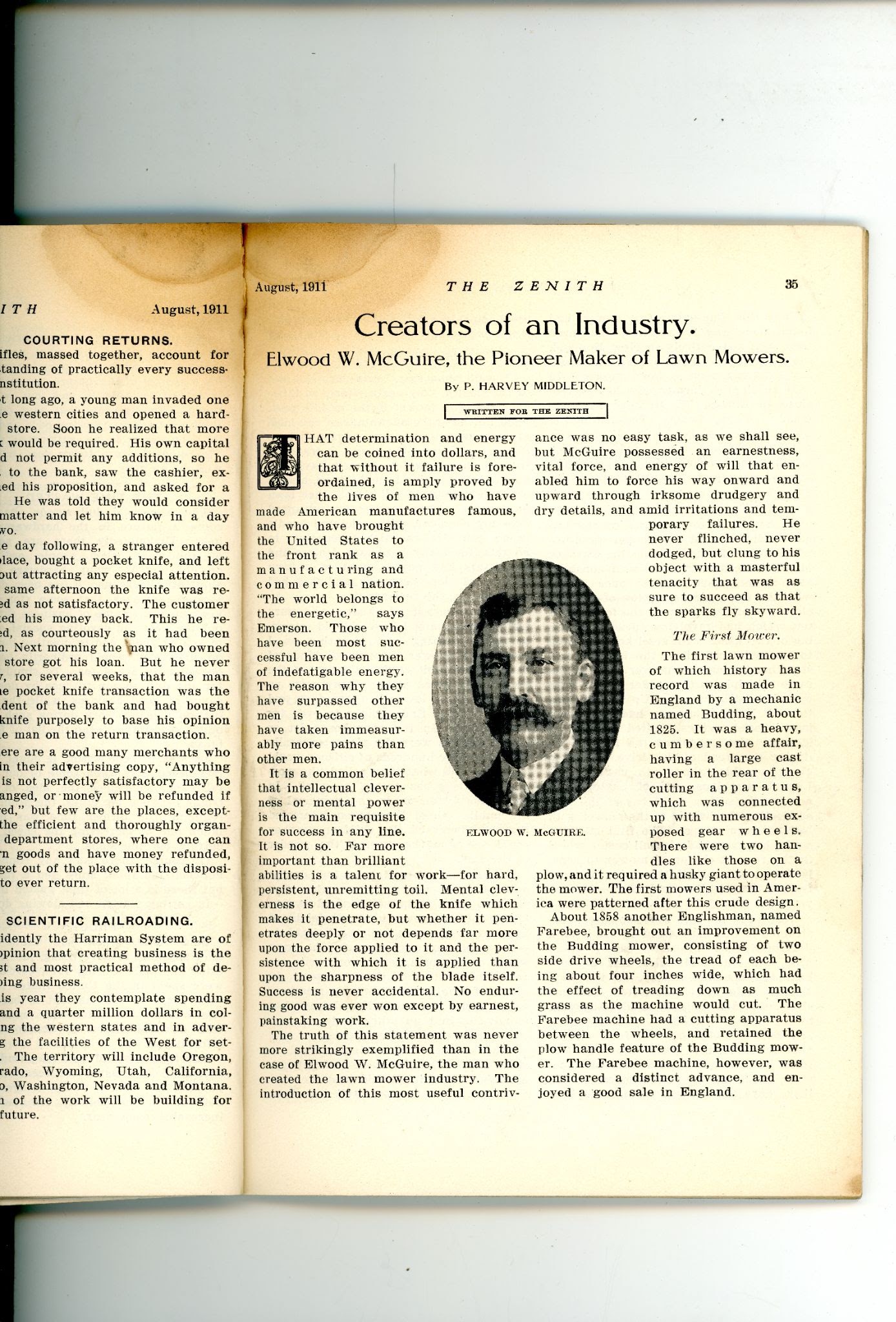
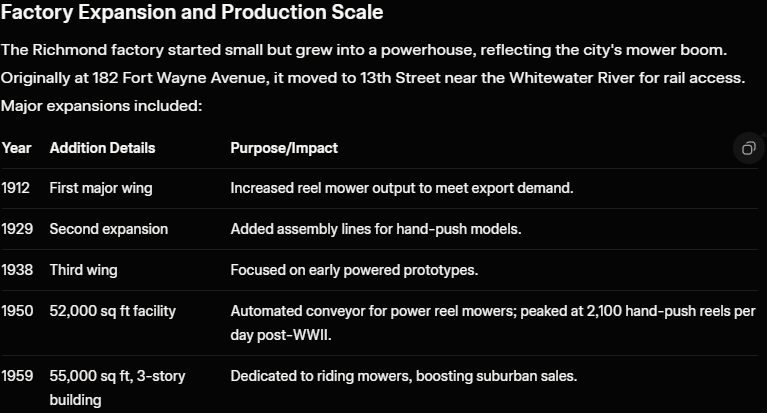
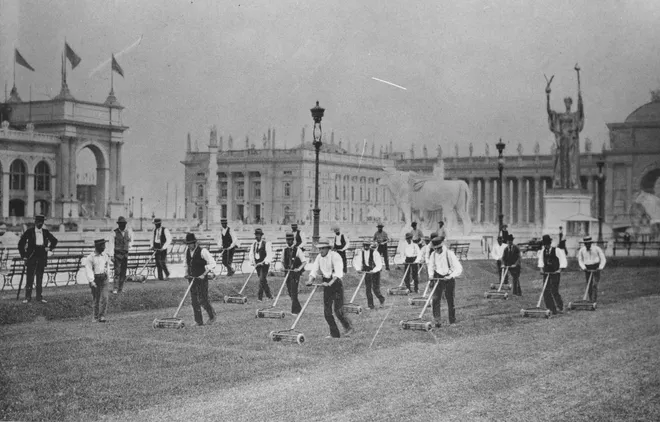
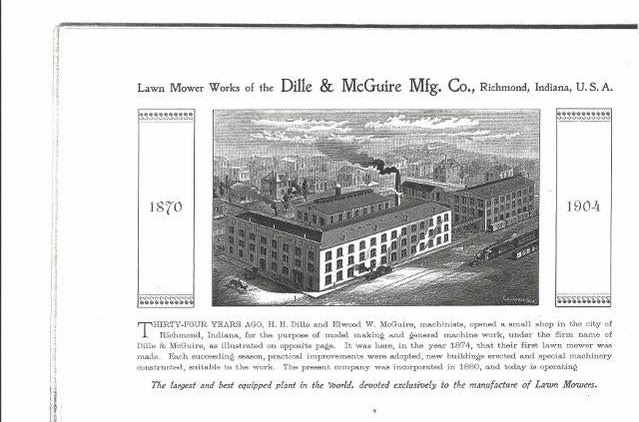
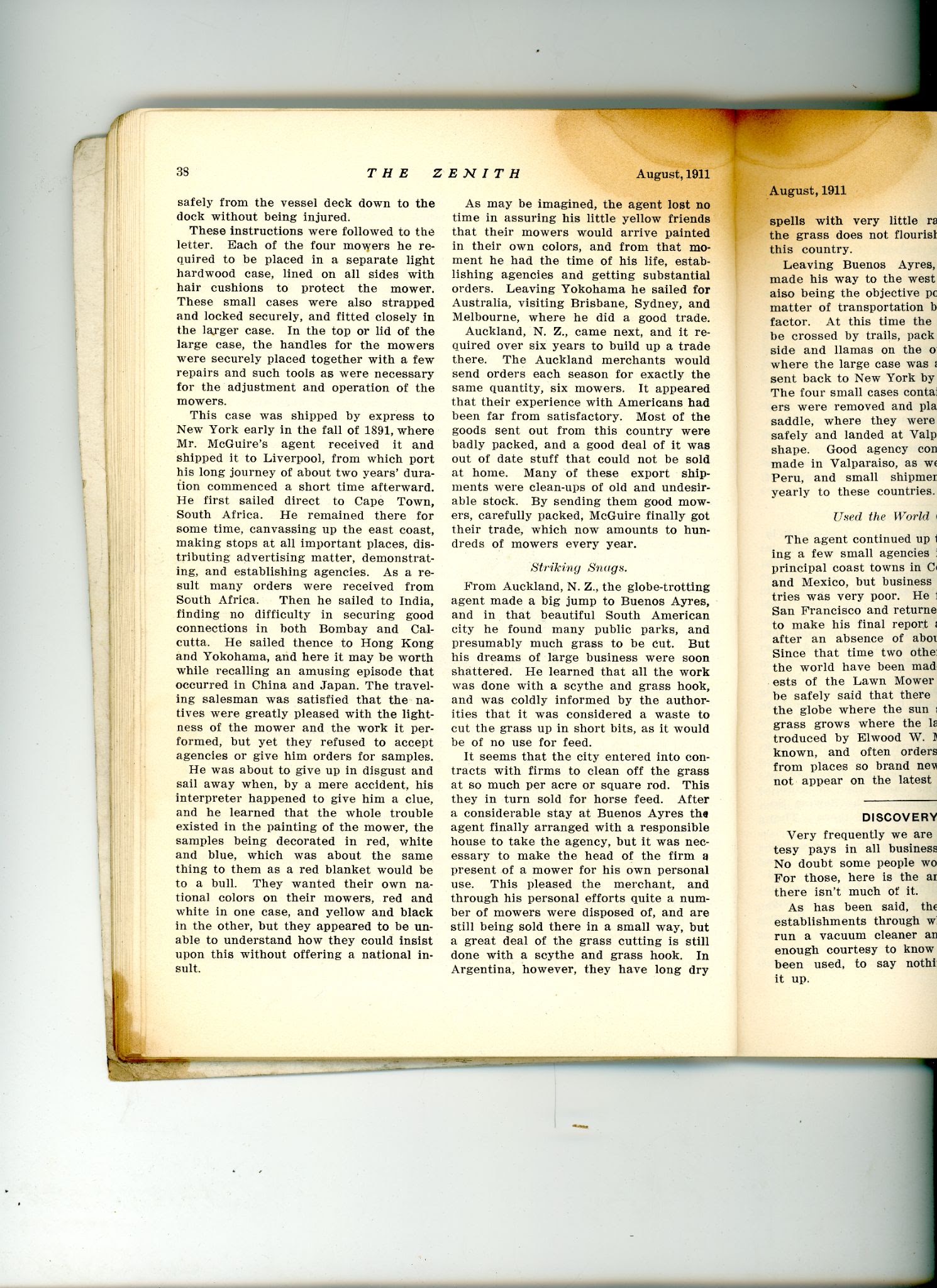
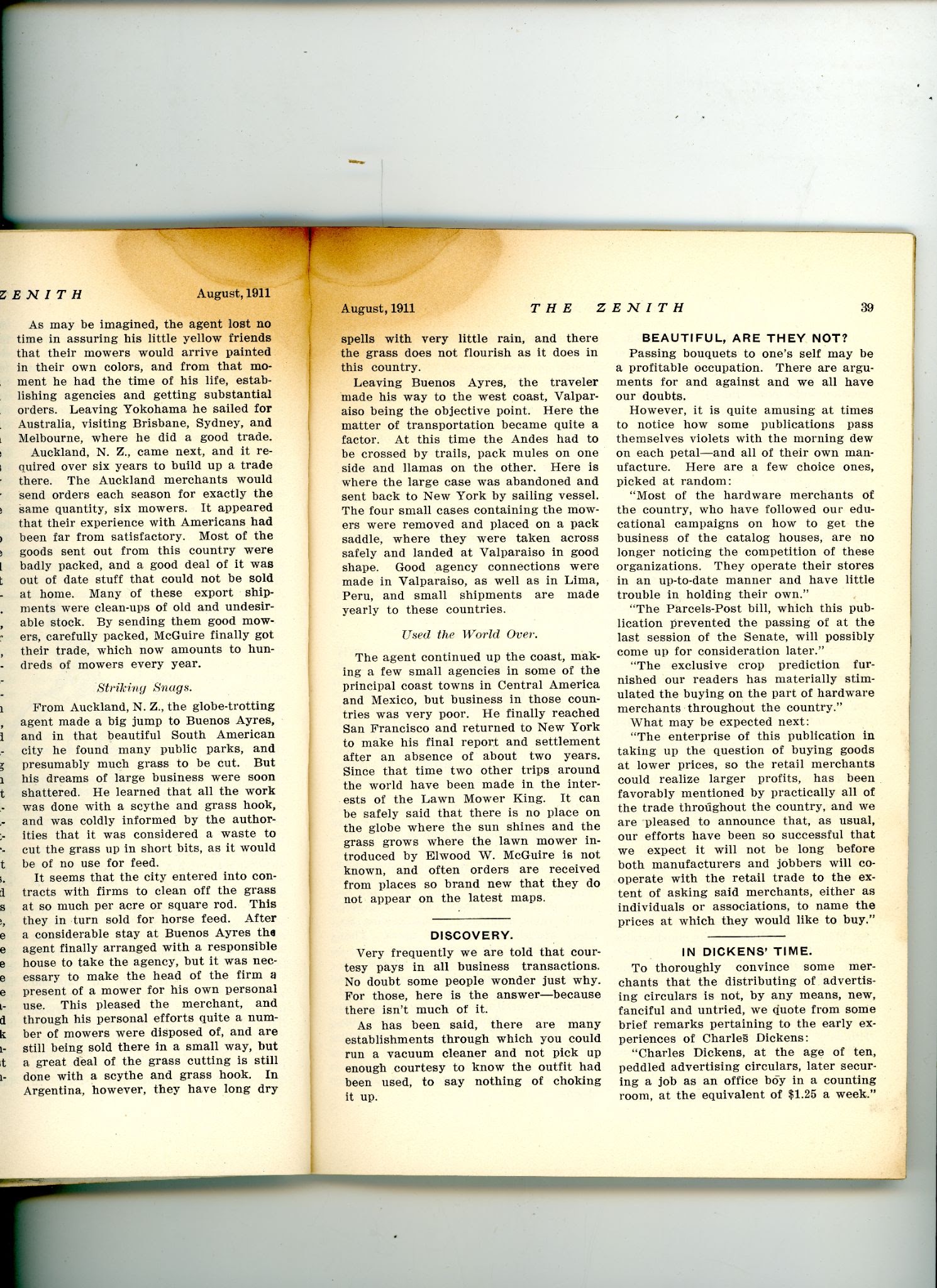
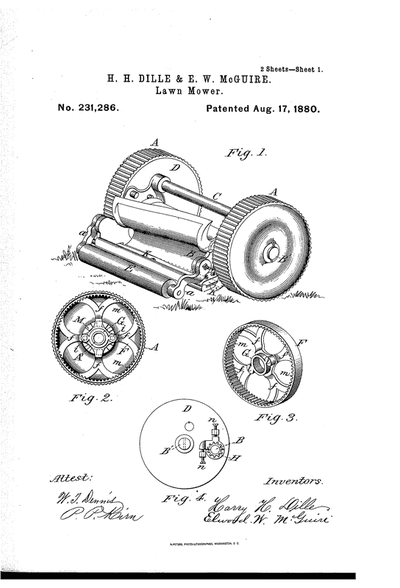
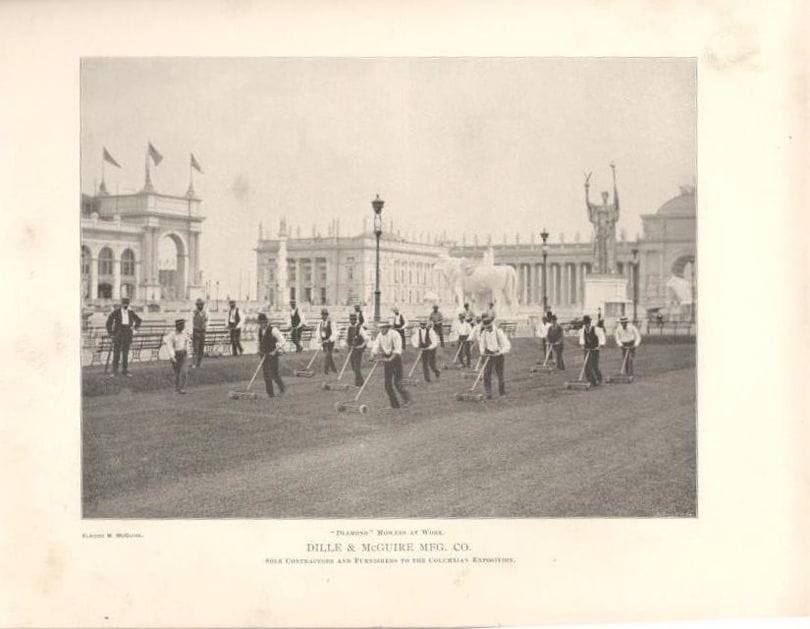
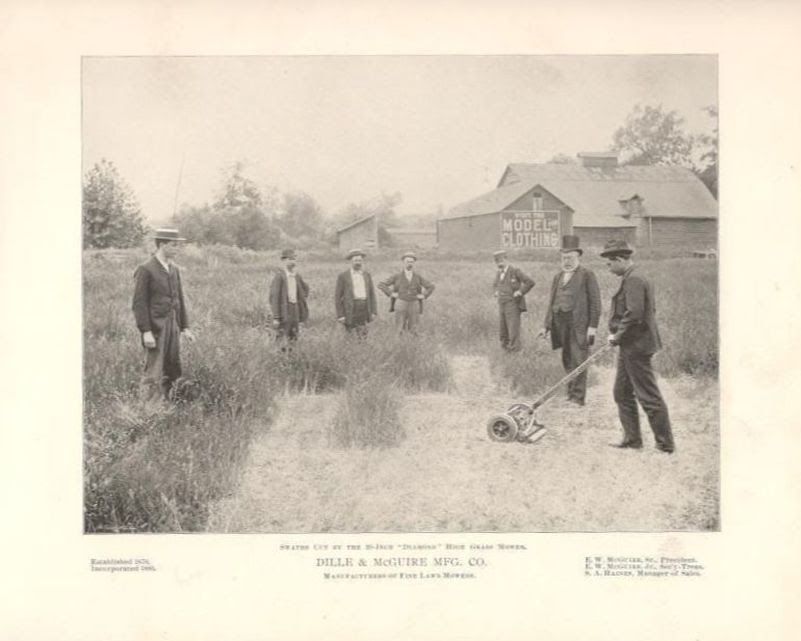
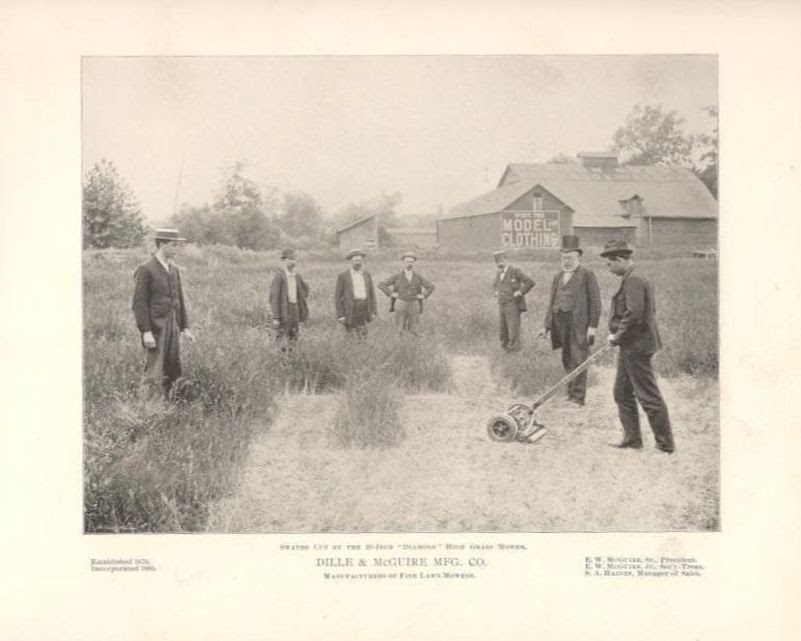
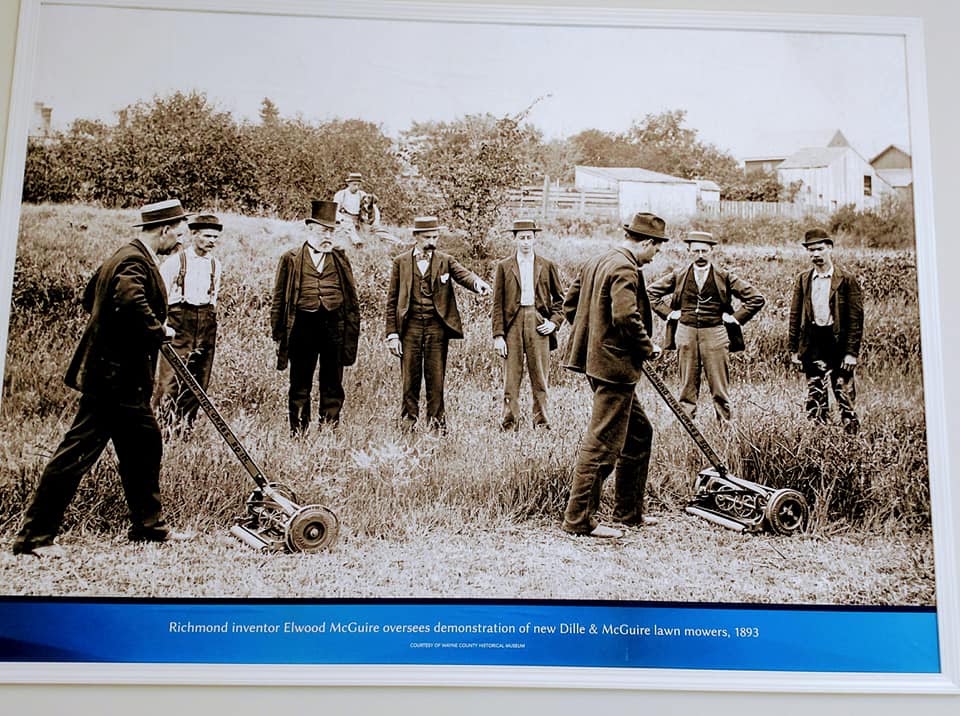
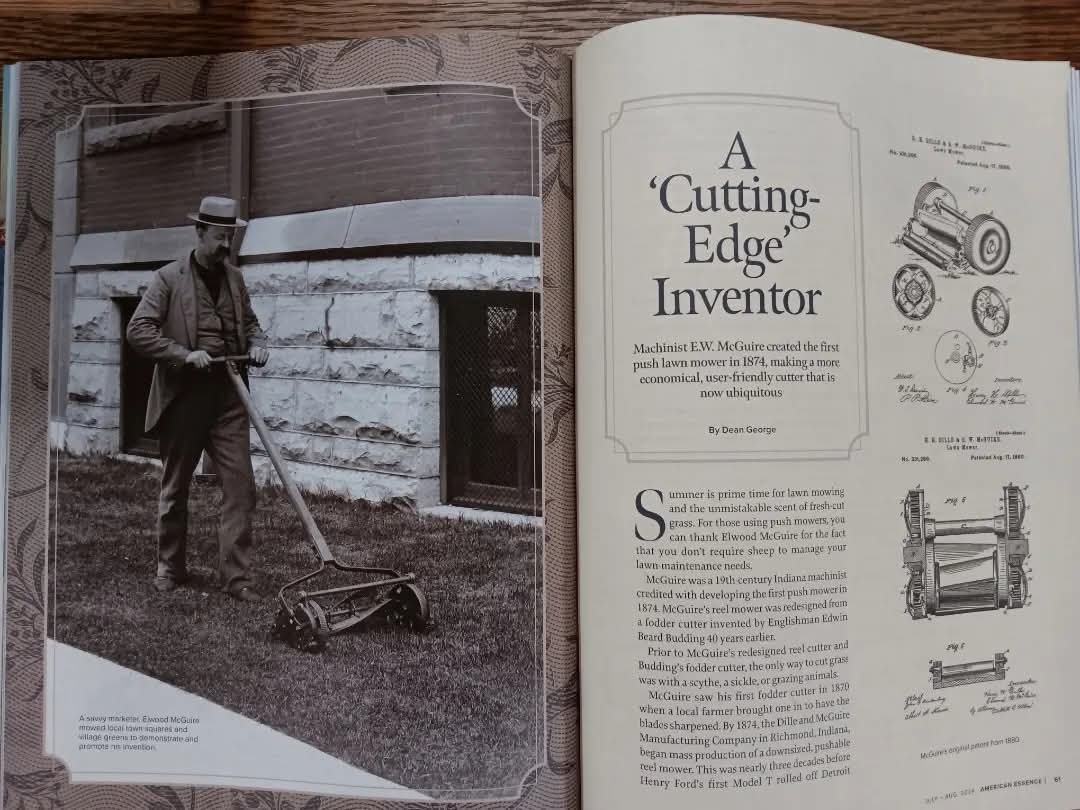
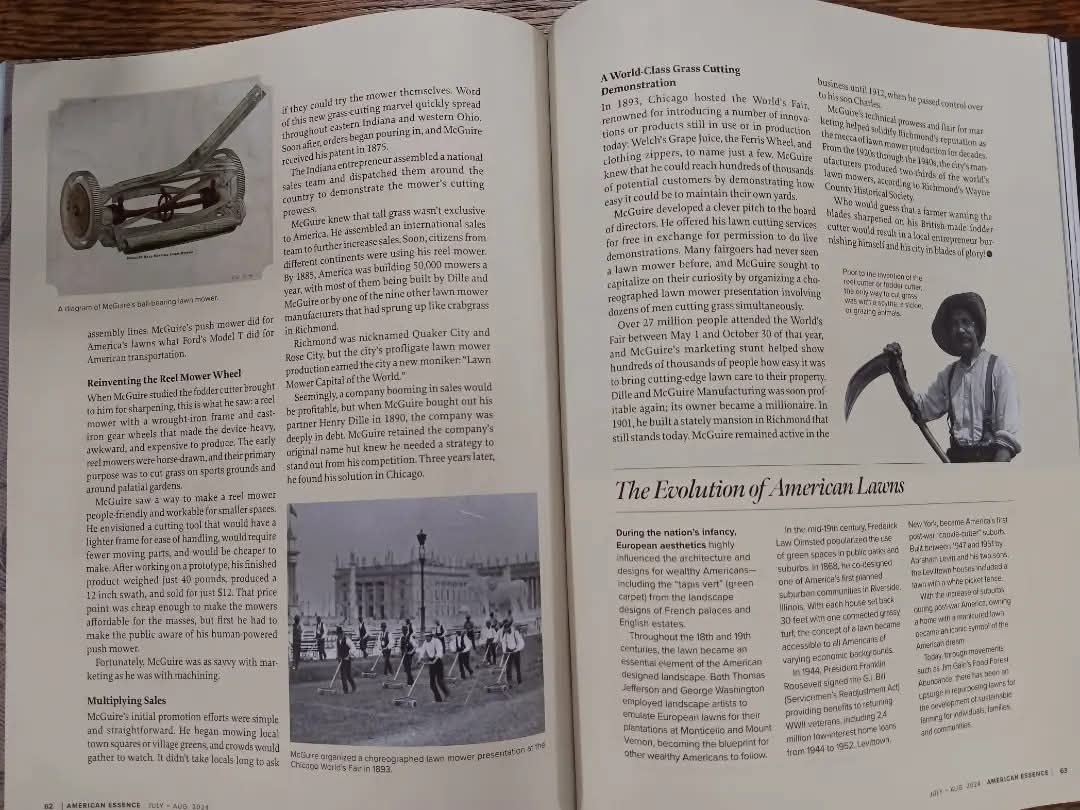
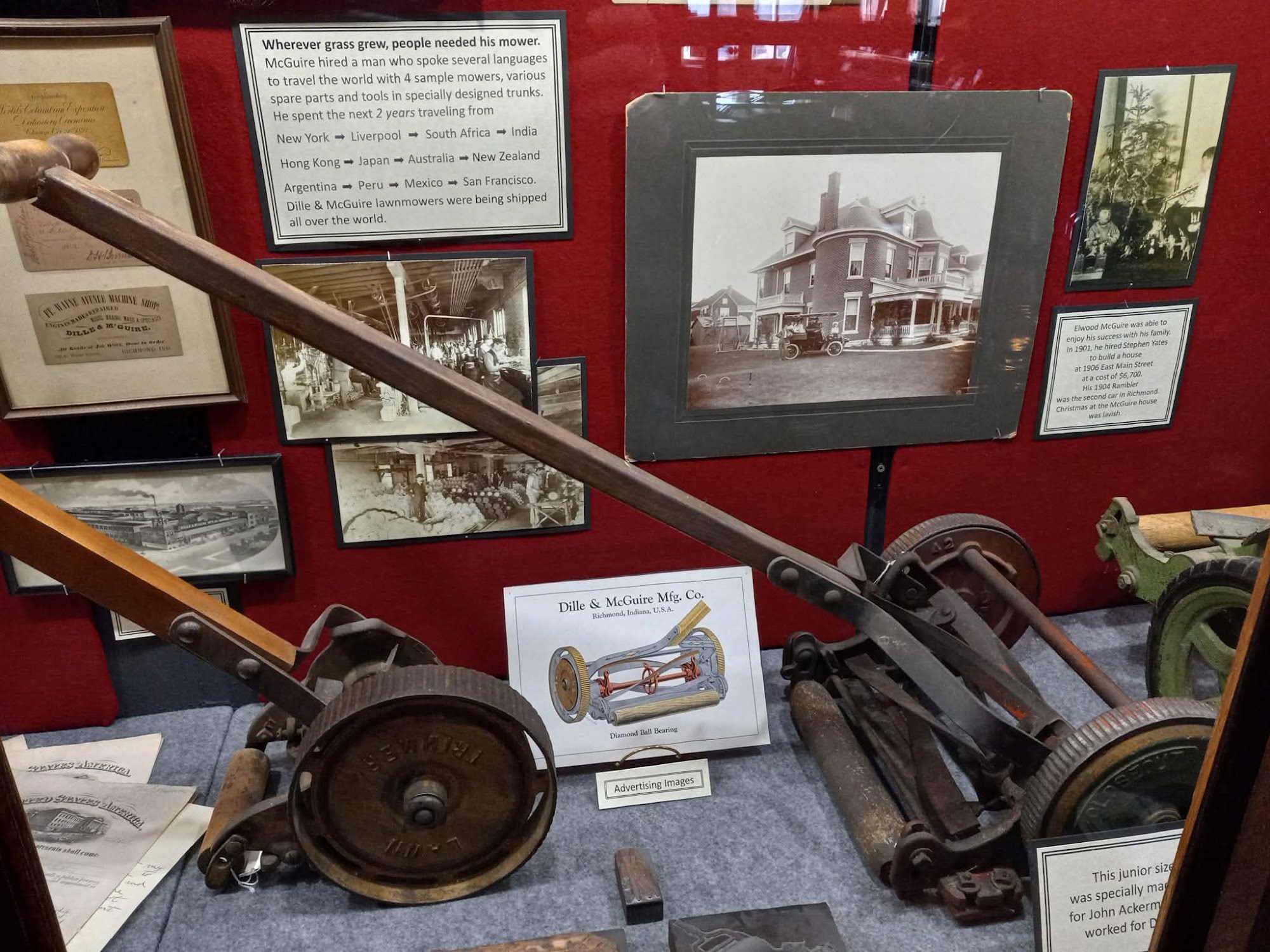
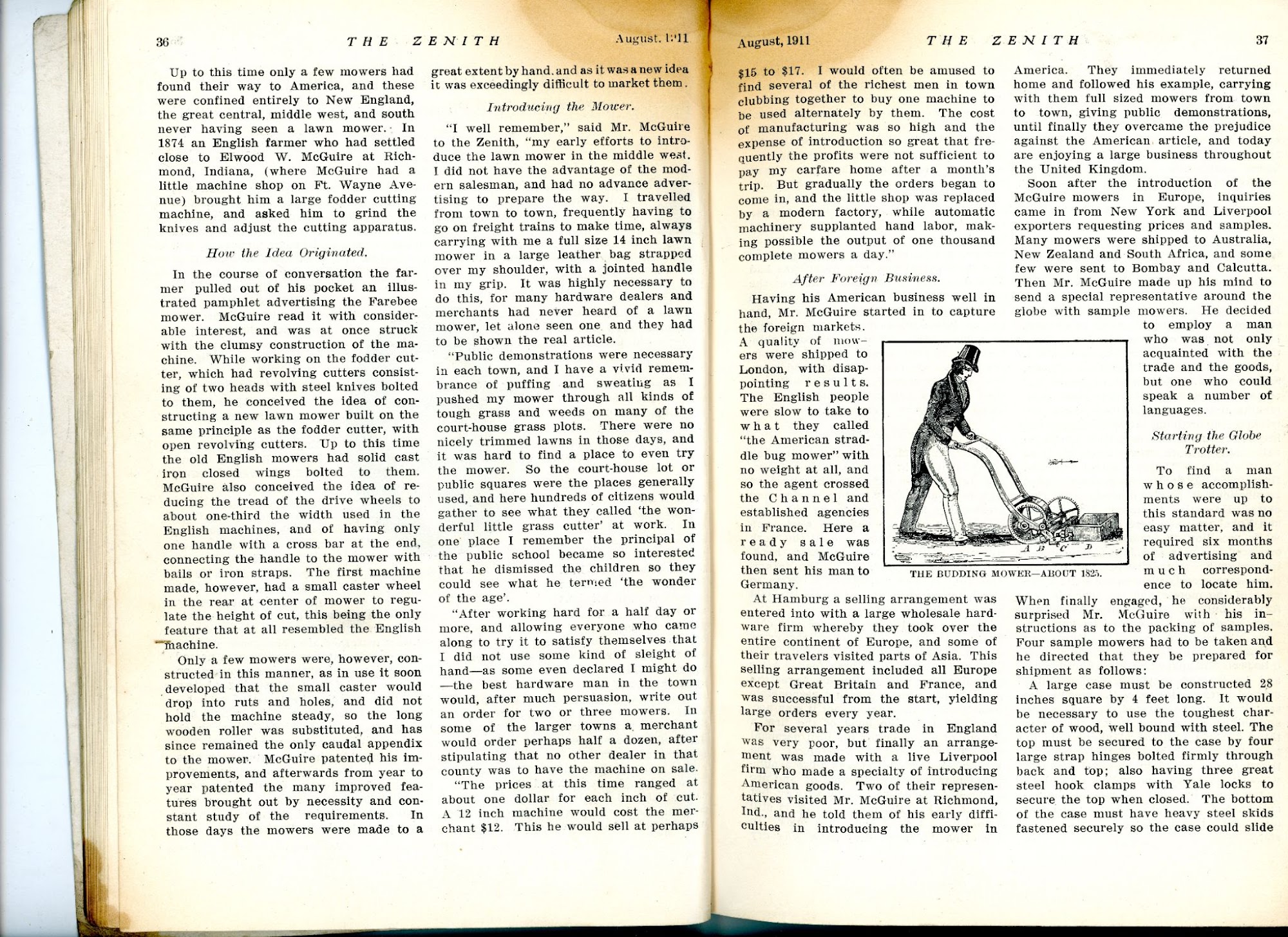
Elwood W. McGuire was President of the Dille & McGuire Manufacturing Company. [1] The business began as a Fort Wayne Avenue repair shop for steam engines and other machinery, run by Harry Dille and Elwood McGuire. McGuire turned it toward a light reel push mower, sold it by street demonstration and sent salesmen worldwide. [5] Indiana historians remember him as a mechanical and marketing genius who mowed the 1893 World’s Fair grounds for free. [6]
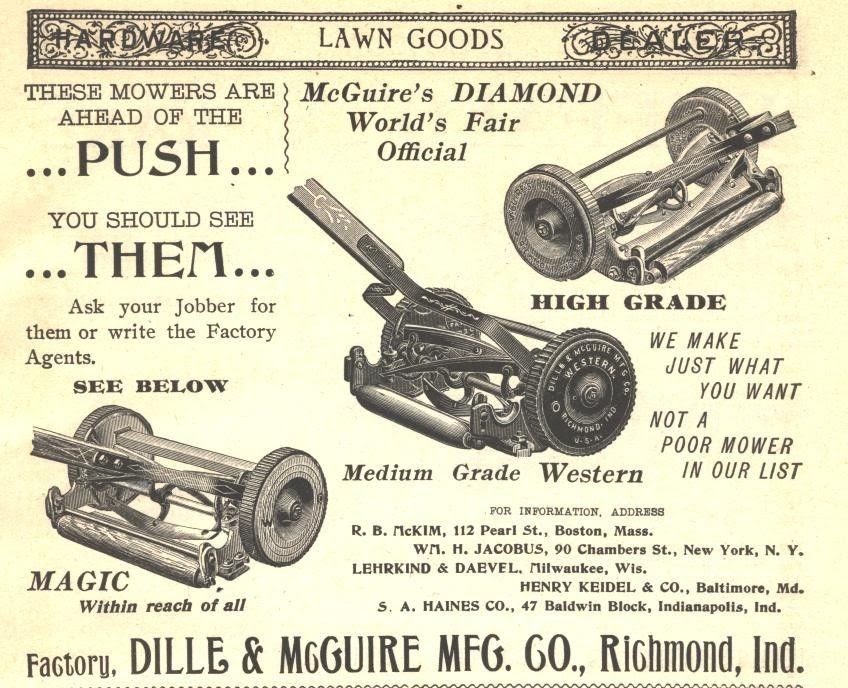
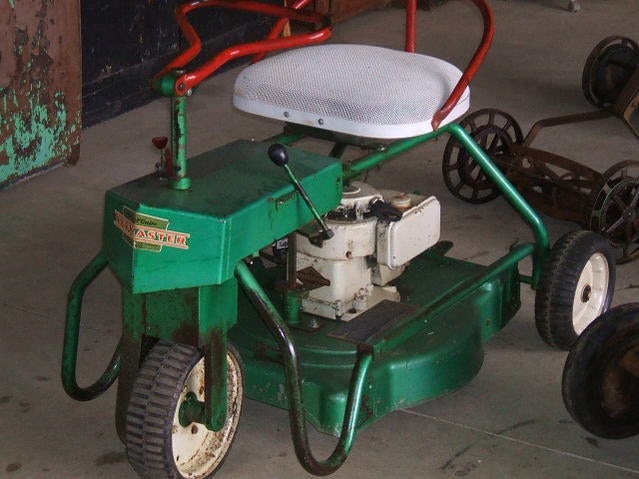
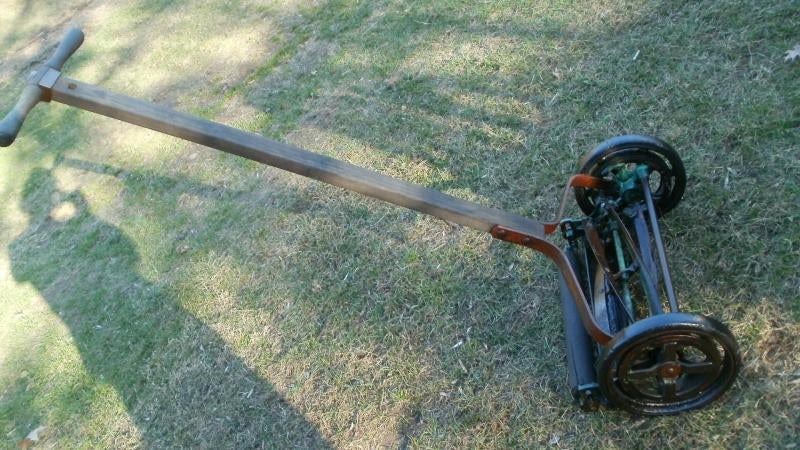
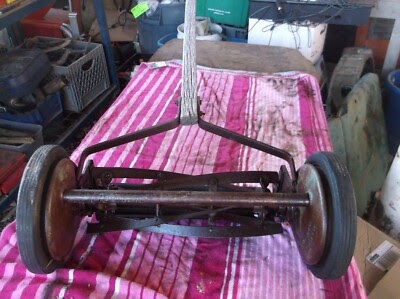
The firm’s mowers carried names like the Richmond Star, the Diamond (billed as the World’s Fair official and “the only enclosed cutter mower having a steel shaft,” in 10- to 18-inch sizes in 1895), the medium-grade Western and the Magic, “within reach of all.” [4][7][orig.]
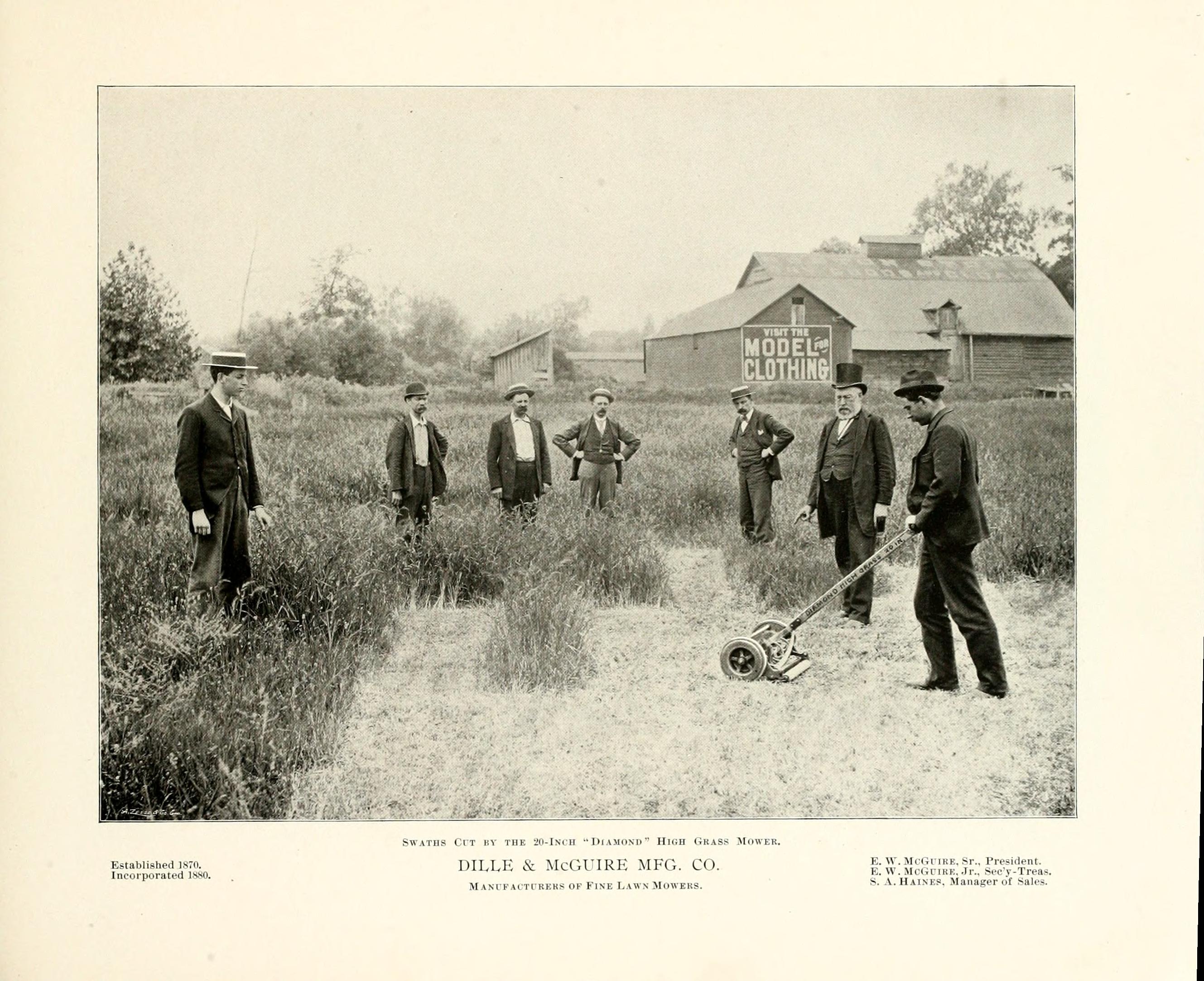
The firm that became Dille & McGuire Mfg. Co. is established. It was incorporated in 1880. [4][5]
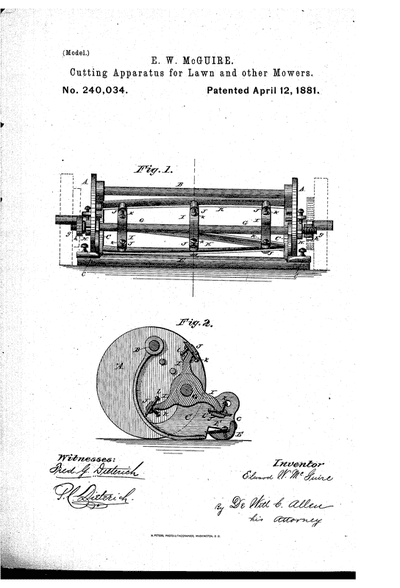
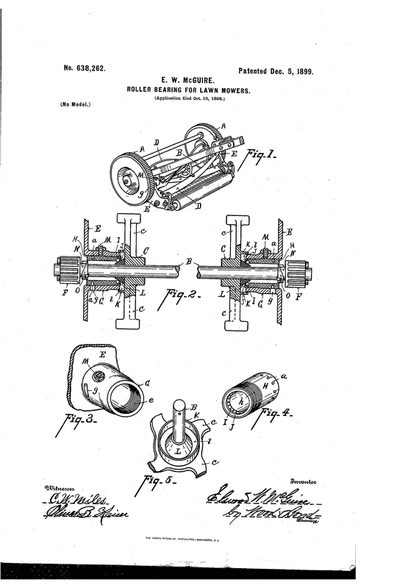
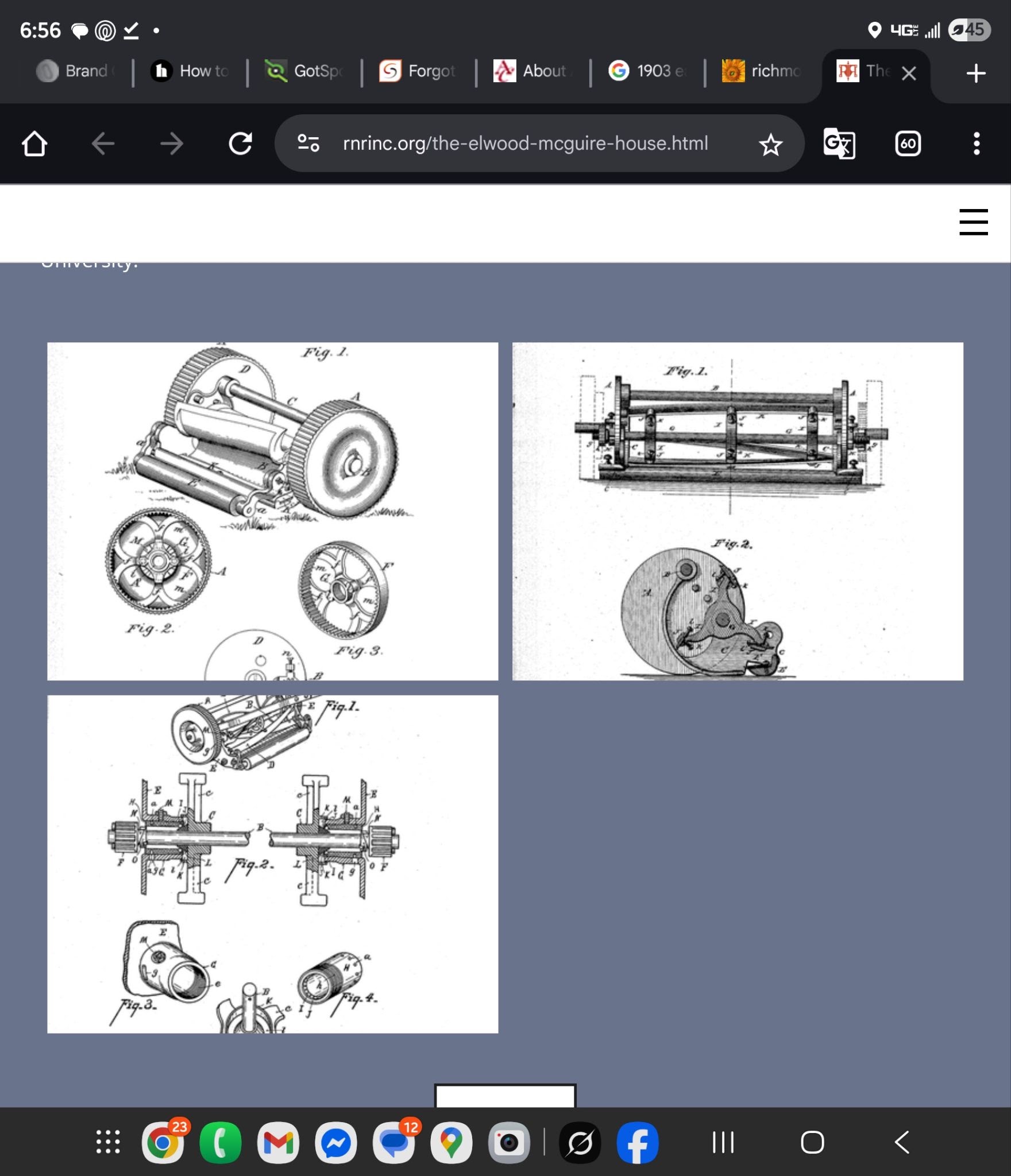
McGuire develops a light push mower and patents it, after an English-made fodder cutter comes into the shop for repair. [5]
The city directory lists the firm at 537–539 N. Thirteenth St., maker of the Richmond Star lawn mower and oscillating steam engines. Ezekiel W. McGuire is president, Elwood W. McGuire secretary and treasurer. [4]
Dille & McGuire is sole contractor and furnisher of lawn mowers to the World’s Columbian Exposition in Chicago. [1][6]
On August 25, Henry Hasecoster contracts to do the carpentry for a brick dwelling on East Main, to plans by Stephen O. Yates. [orig.]
Built 1900–01 for Elwood W. McGuire, between the Newlin house and John A. Hasecoster’s own home. [1]
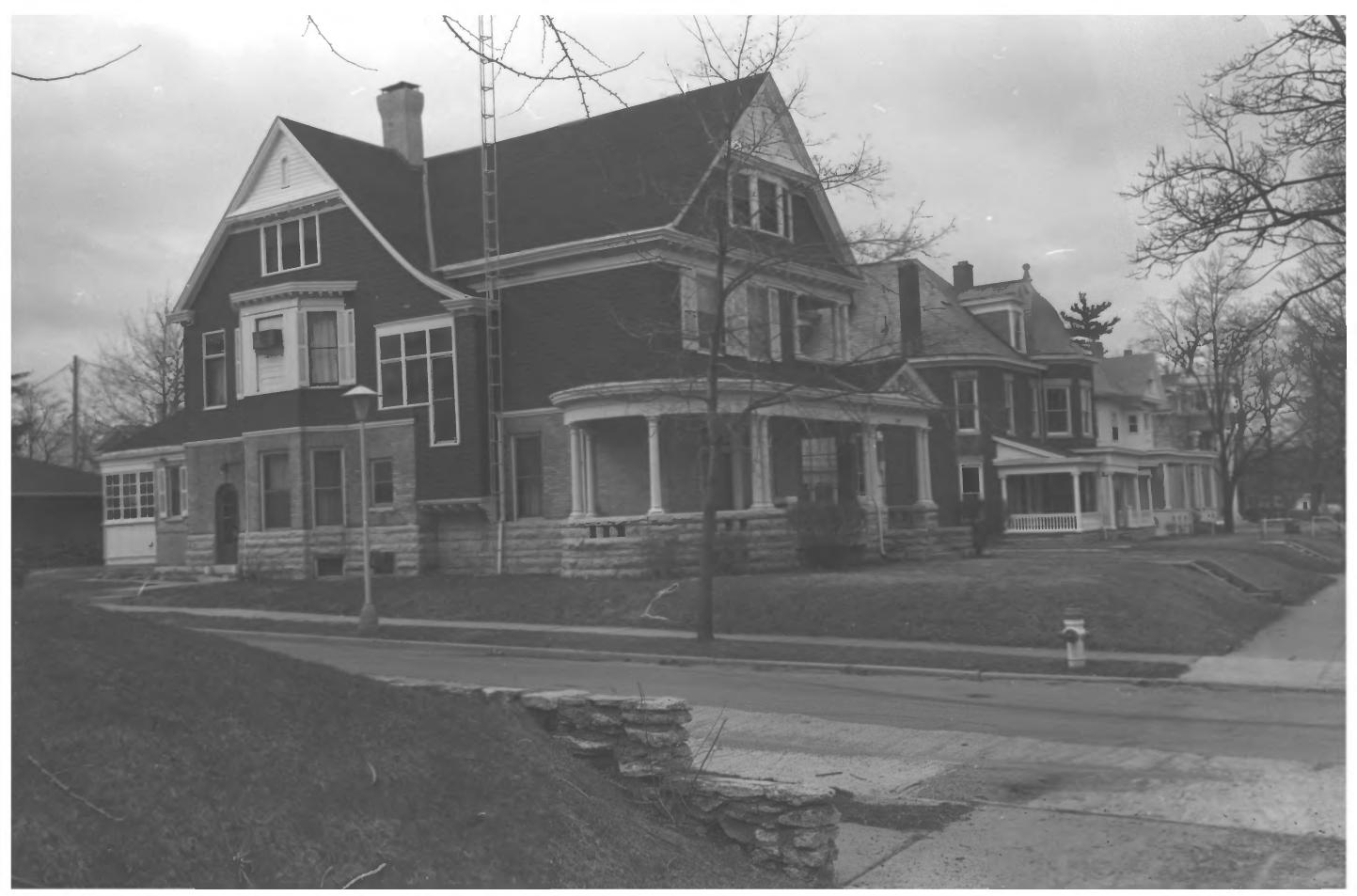
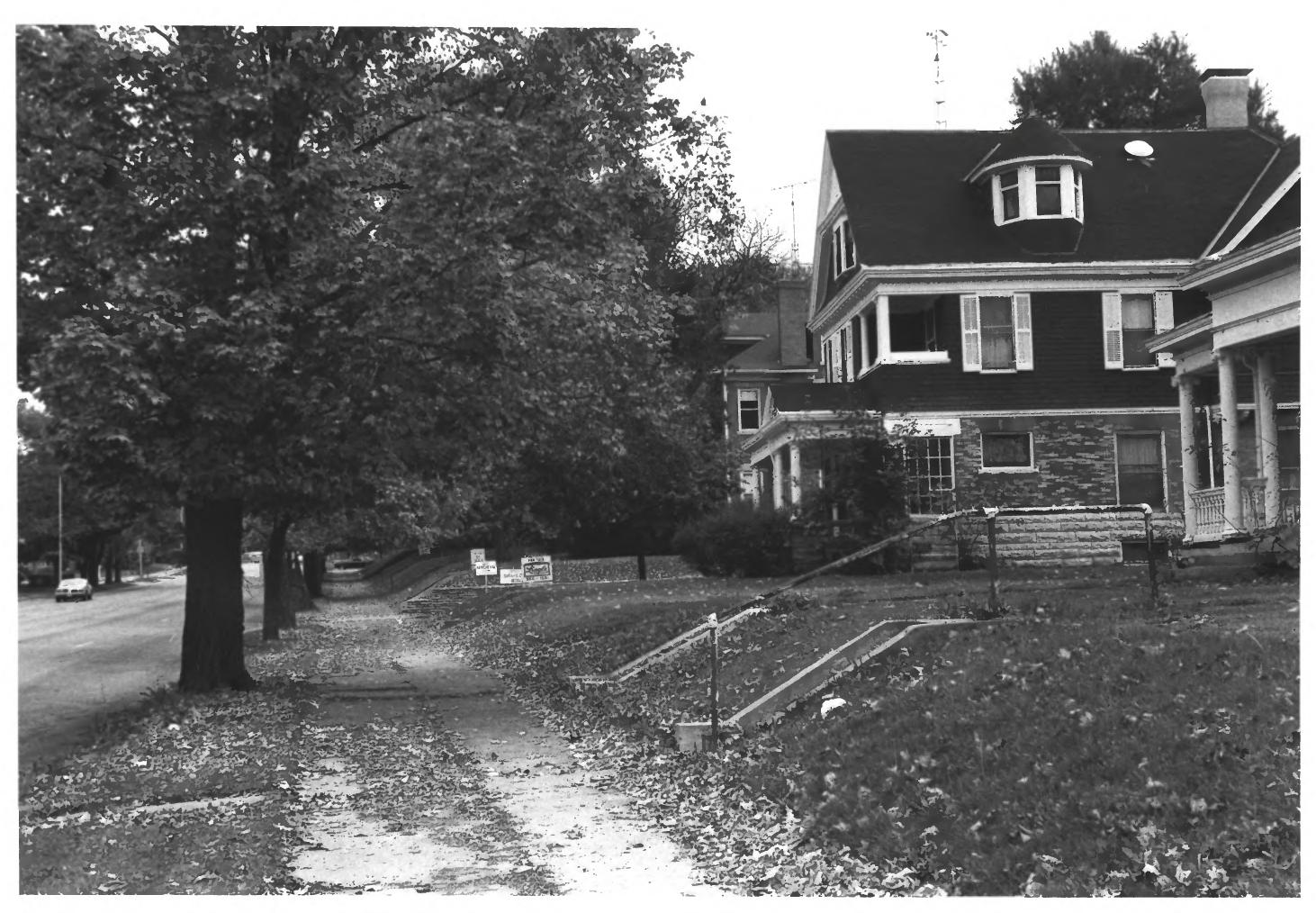
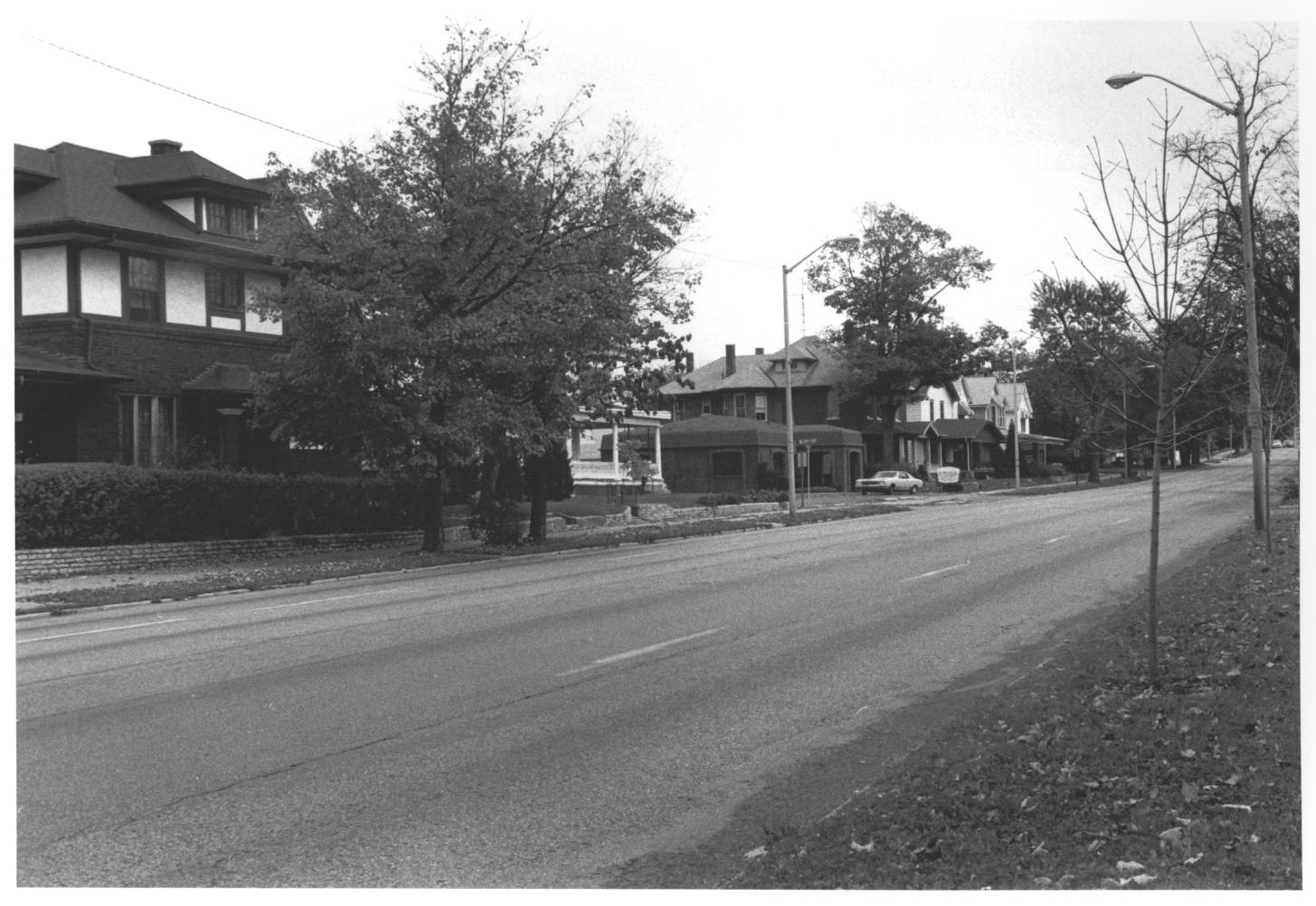
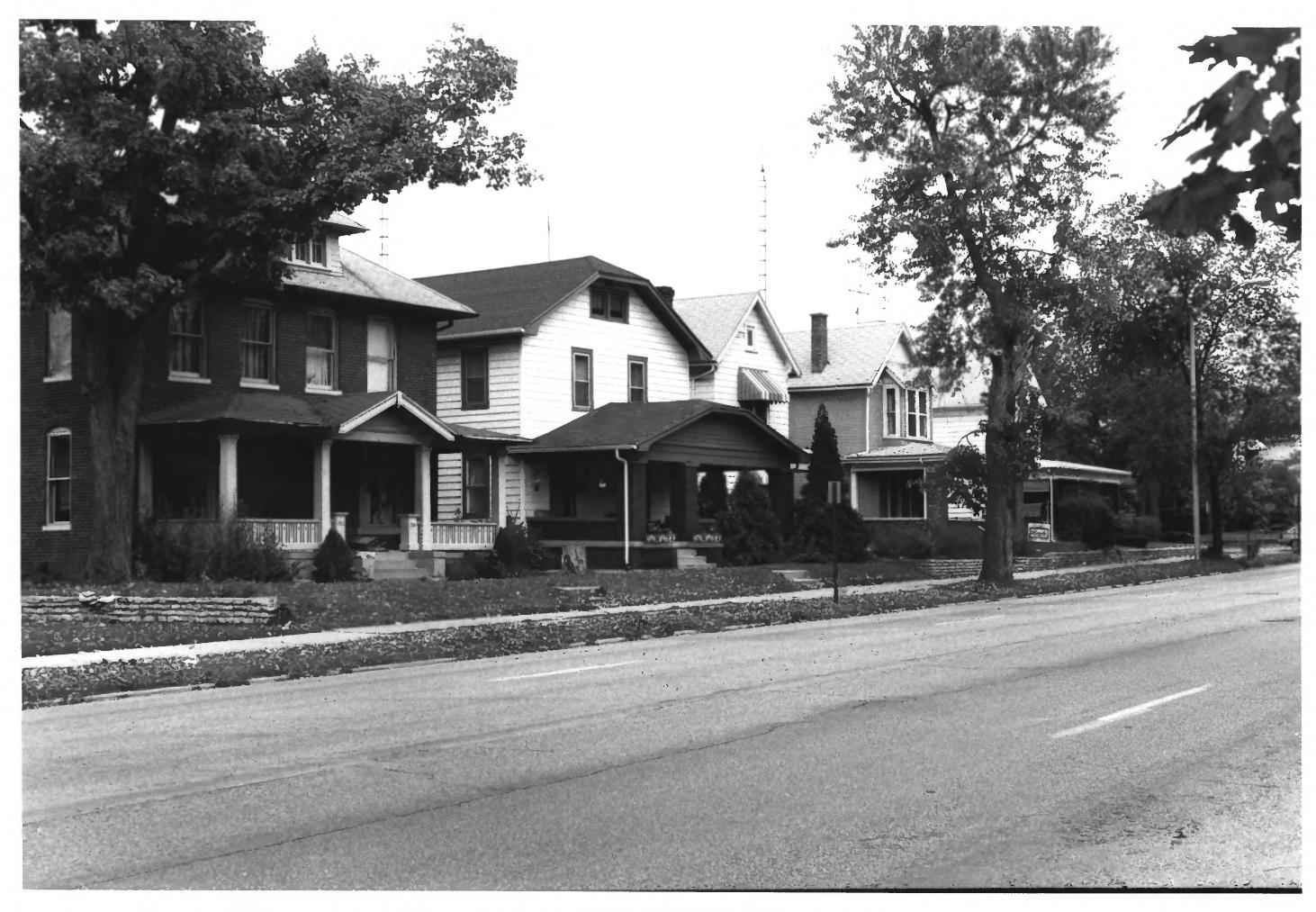
The McGuire residence appears in the photograph later used for the library’s “Then & Now” series. By this time Dille & McGuire and F&N are counted among the country’s largest lawn-mower makers. [1][2]
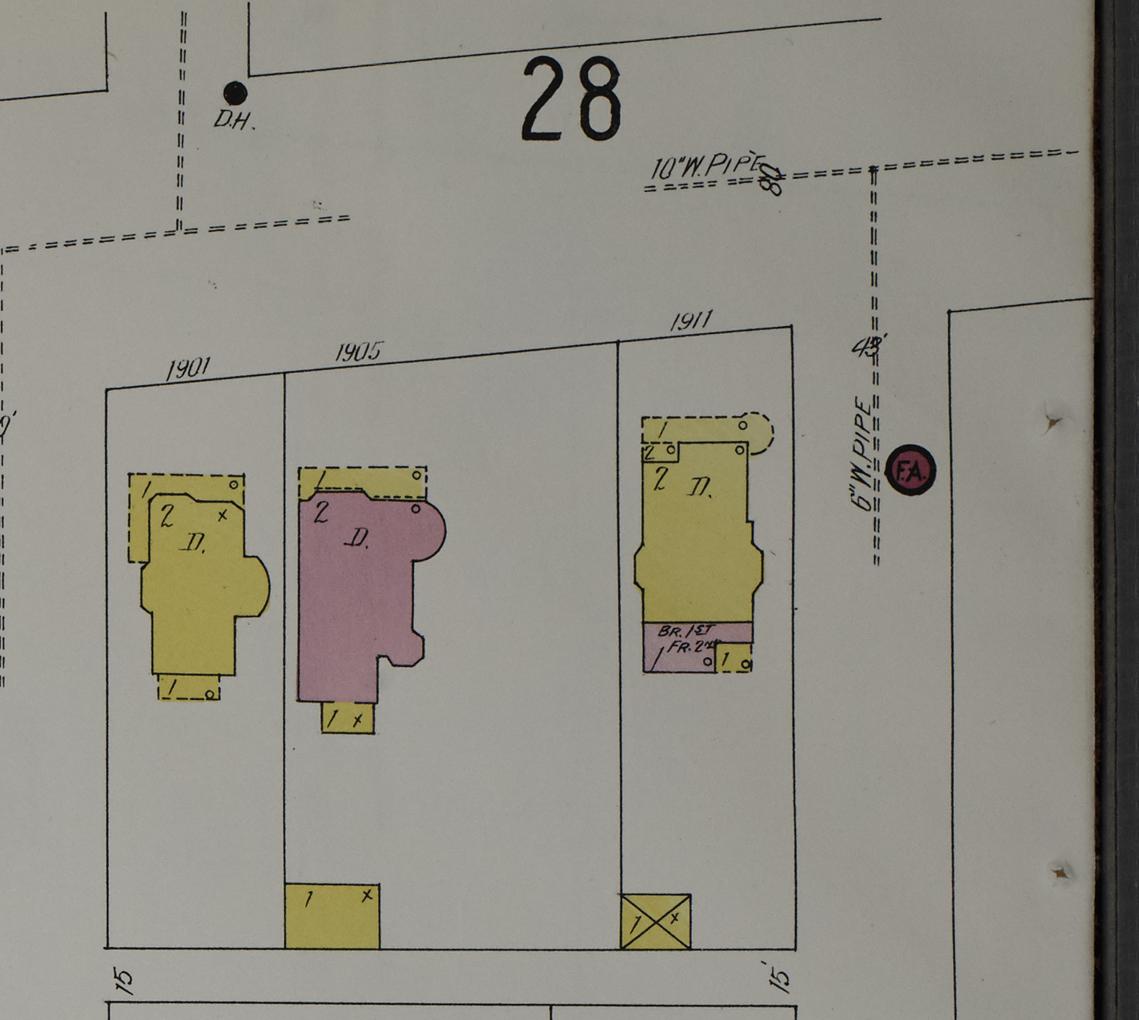
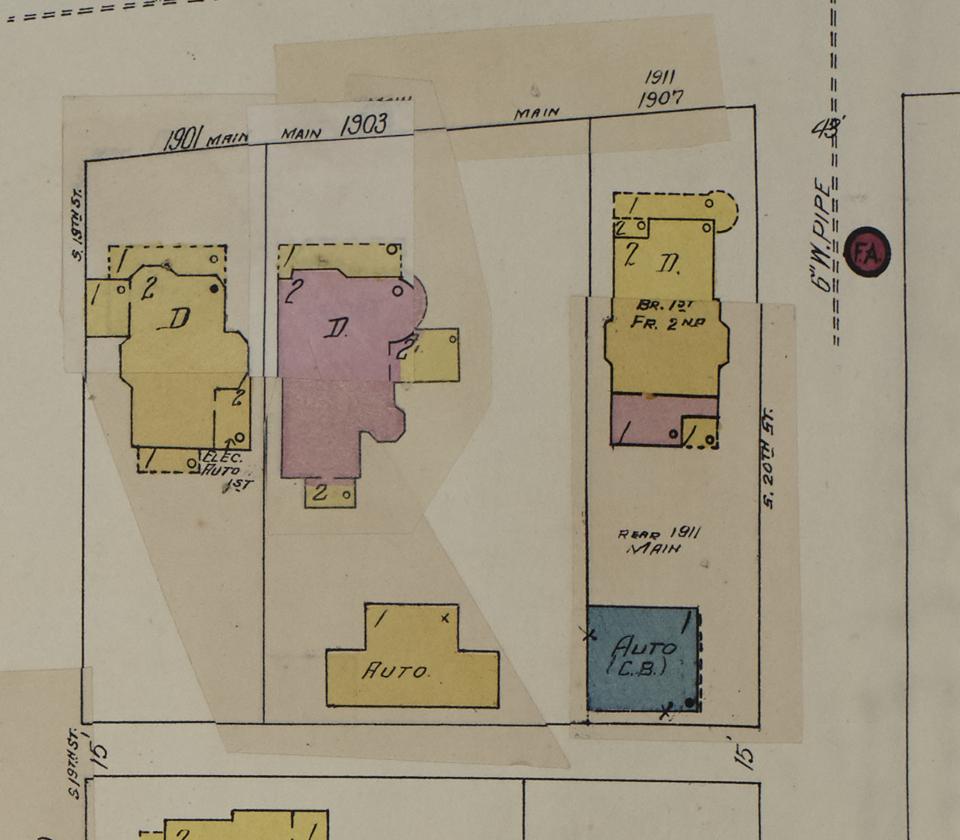
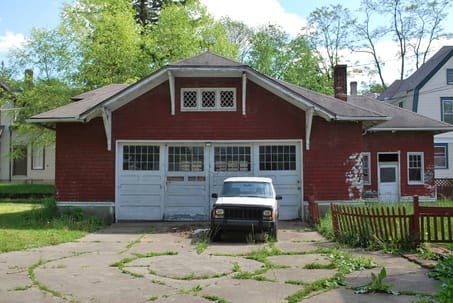
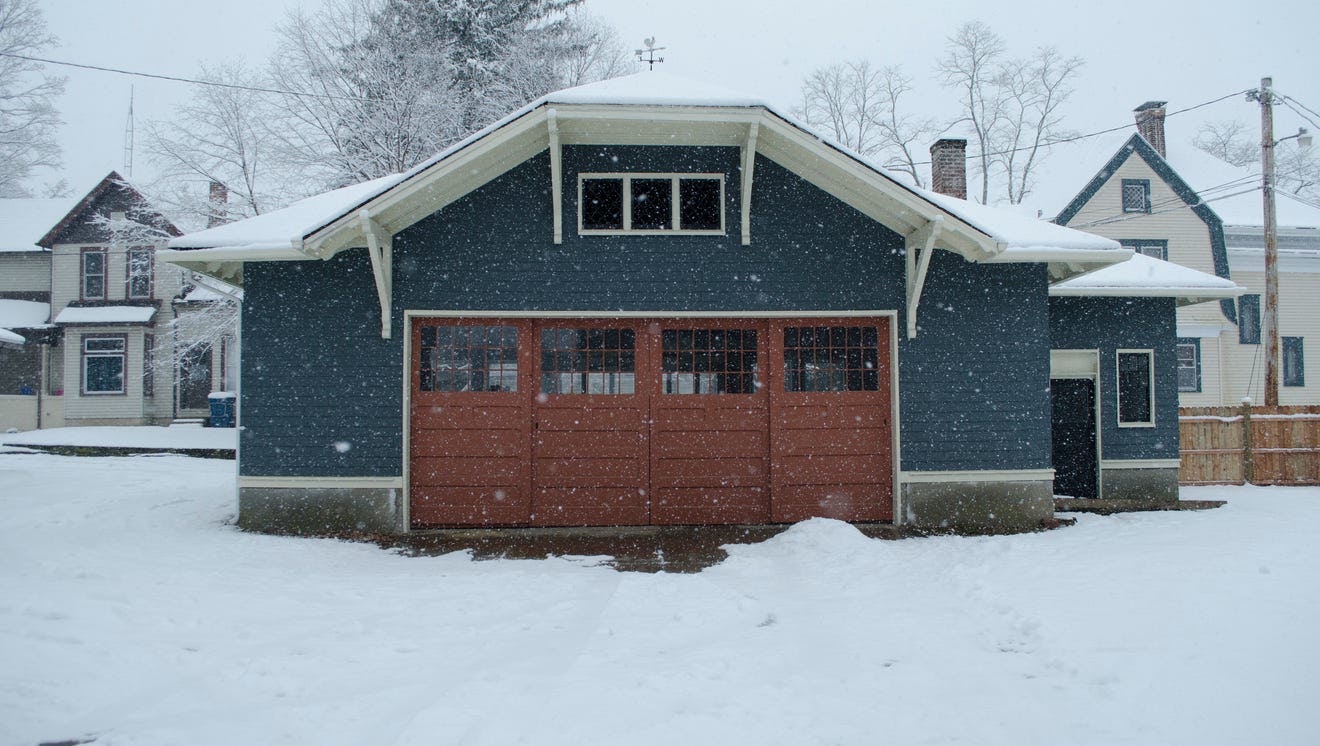
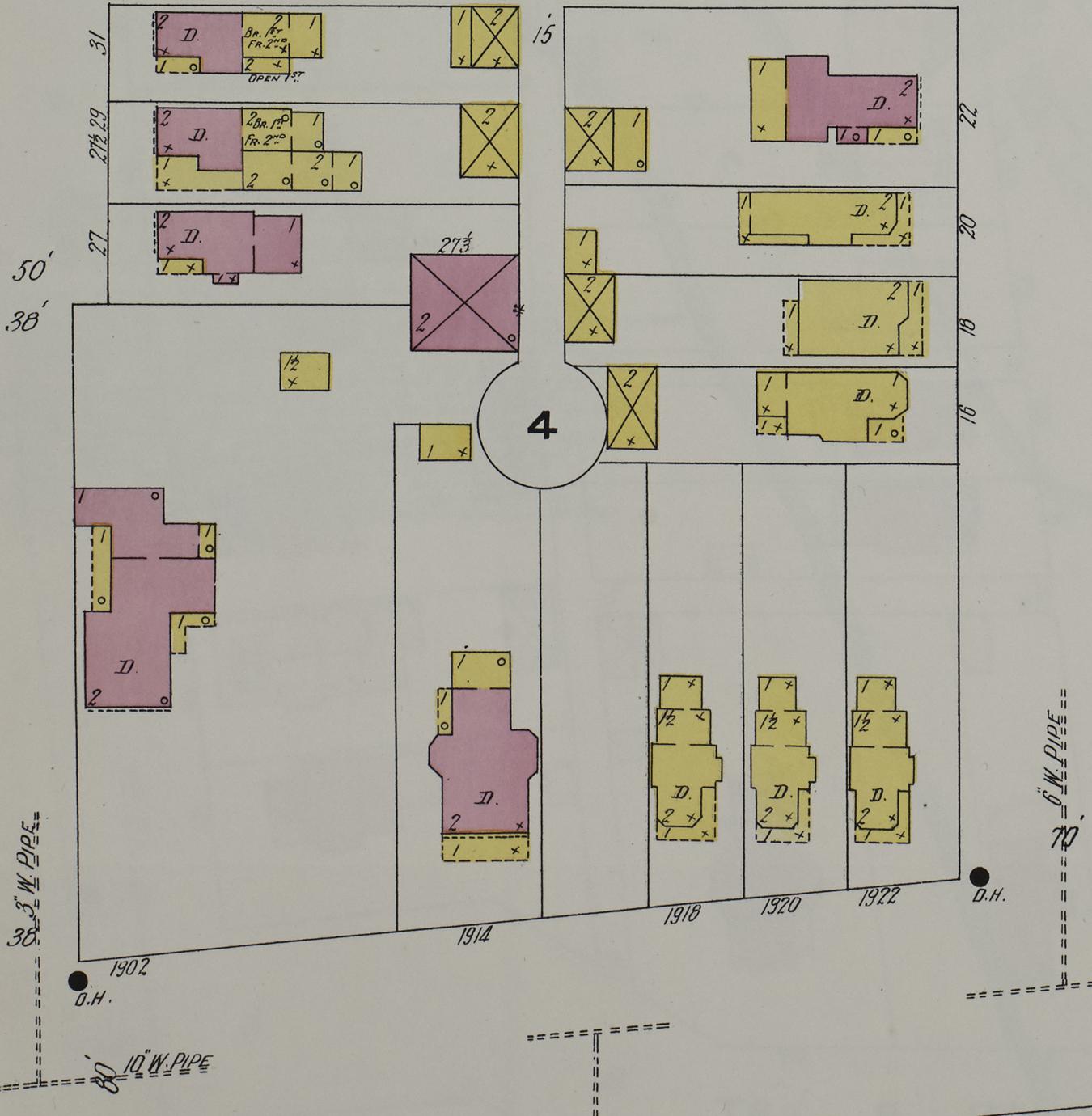
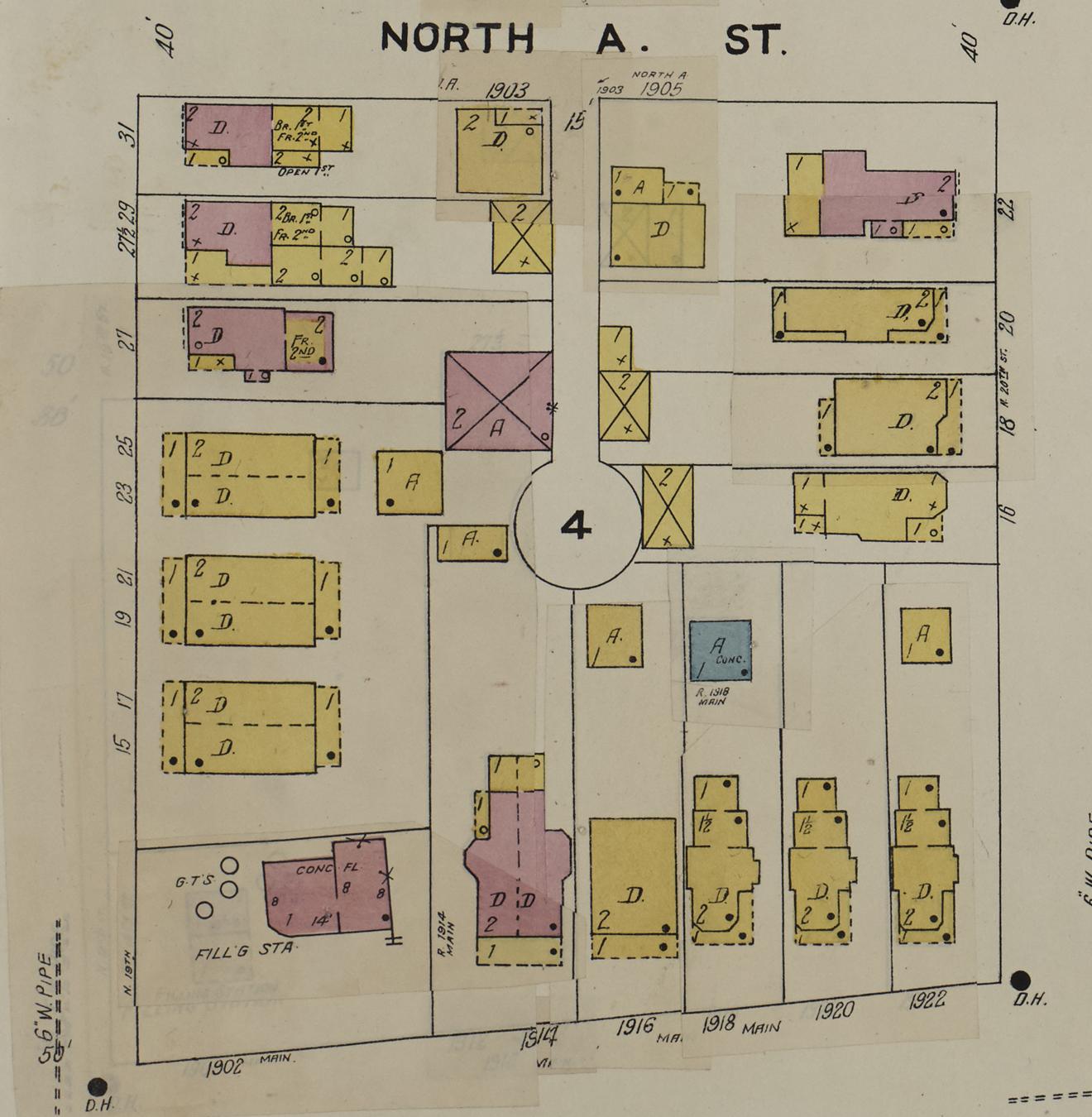
Sanborn fire-insurance maps record the brick house, its tower and its outbuildings. [3]
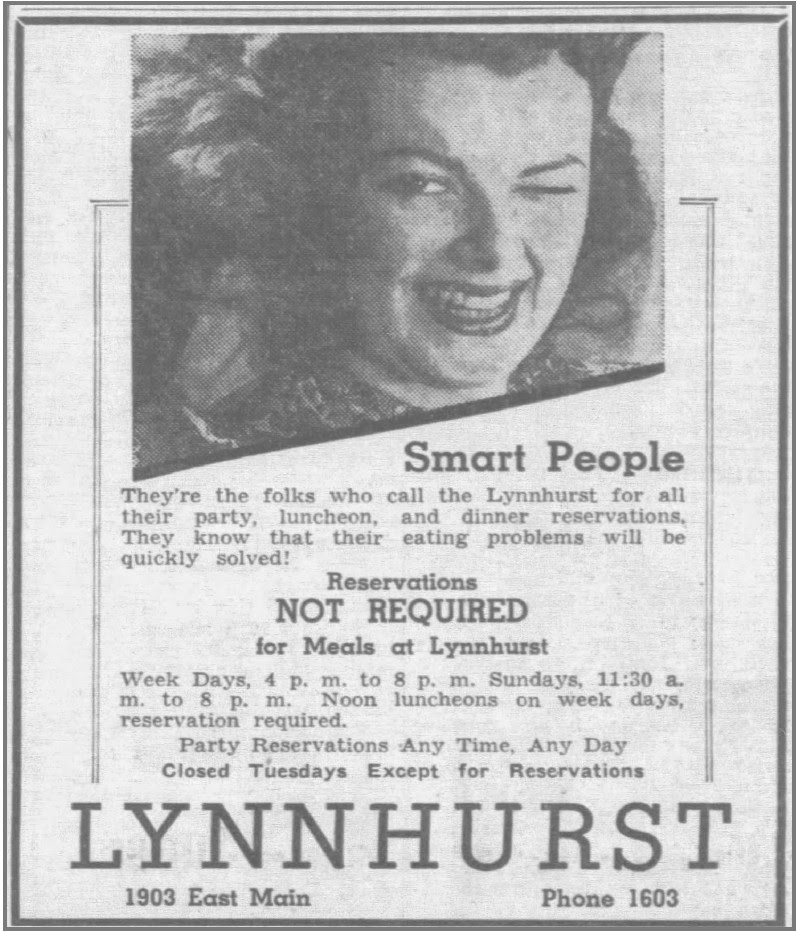
The house serves diners as Lynnhurst, “Where Dining is a Pleasure,” run by Marian Simpson and Mildred W. Miller. [orig.]
Dille-McGuire is sold to Huffman Manufacturing of Dayton. Richmond operations end in 1975. [5]
The house is listed as part of the East Main Street–Glen Miller Park Historic District. [1]
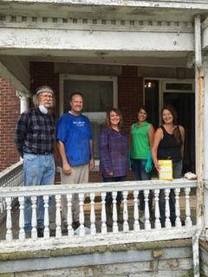
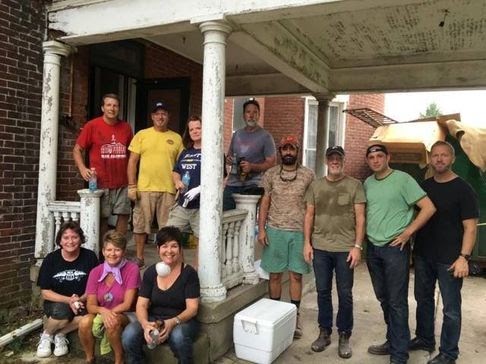
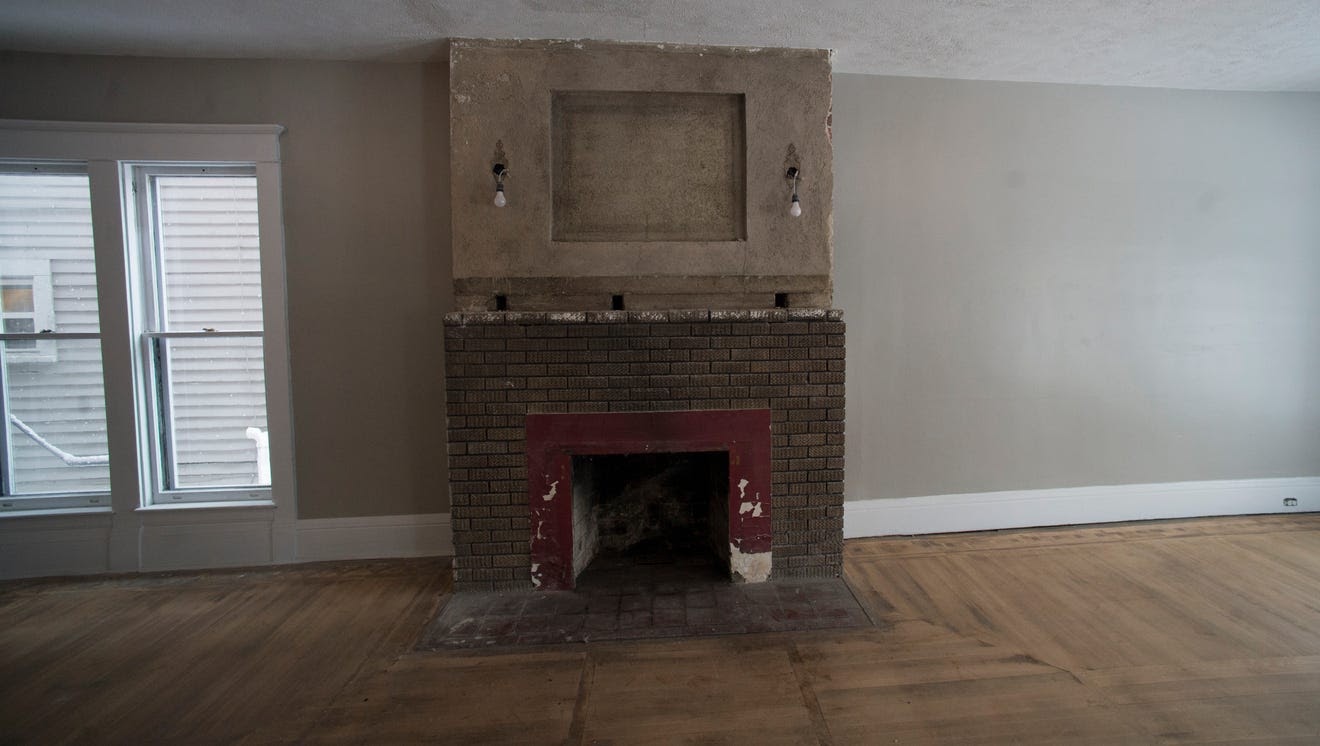
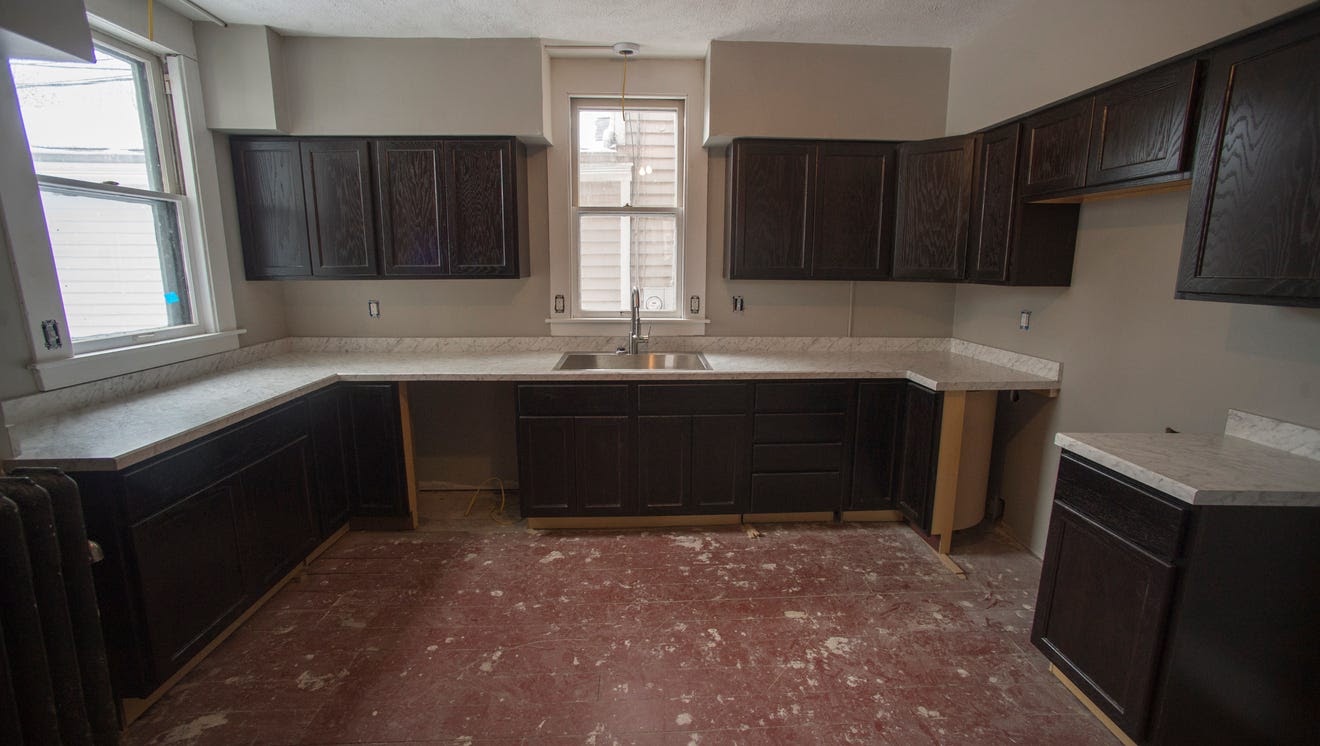
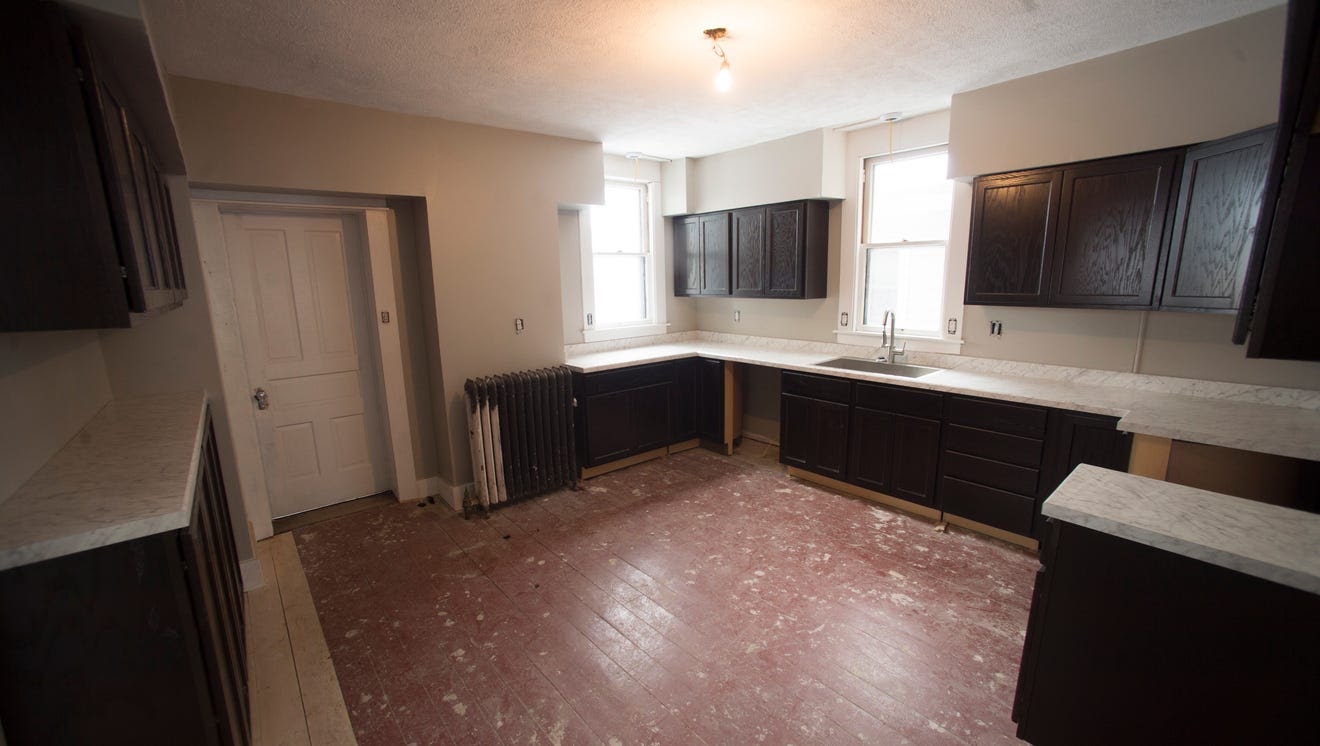
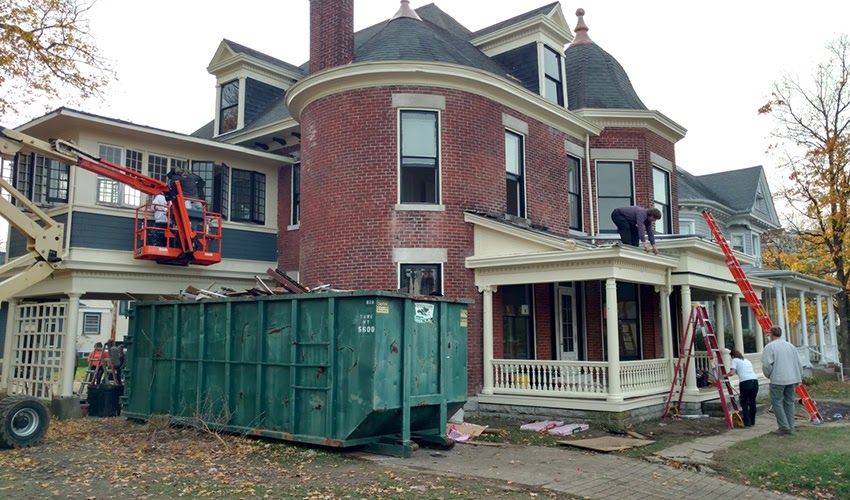
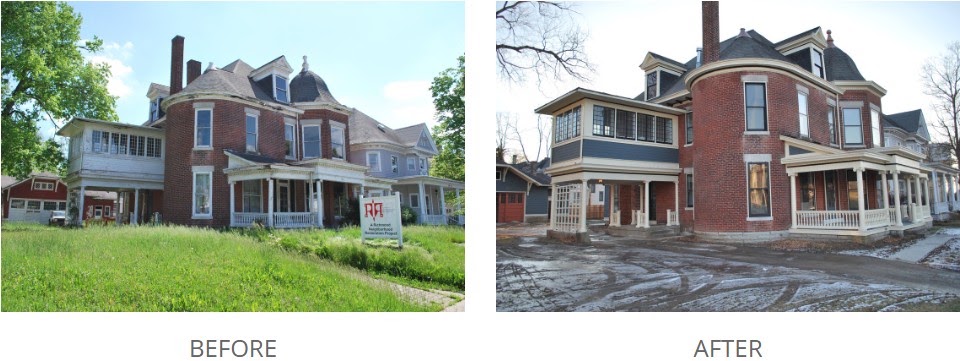
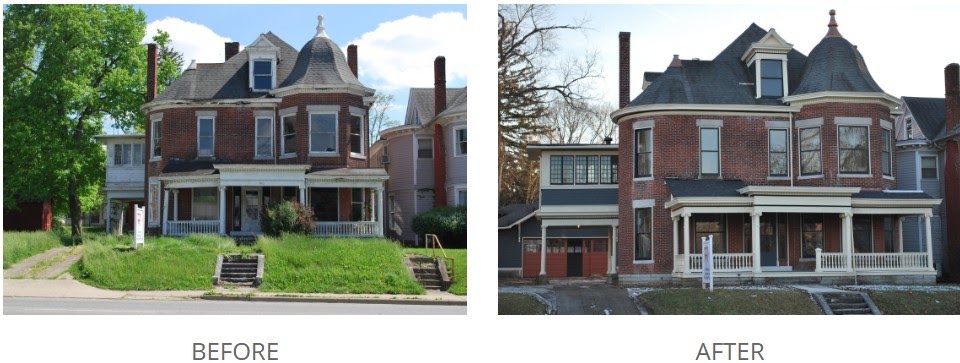
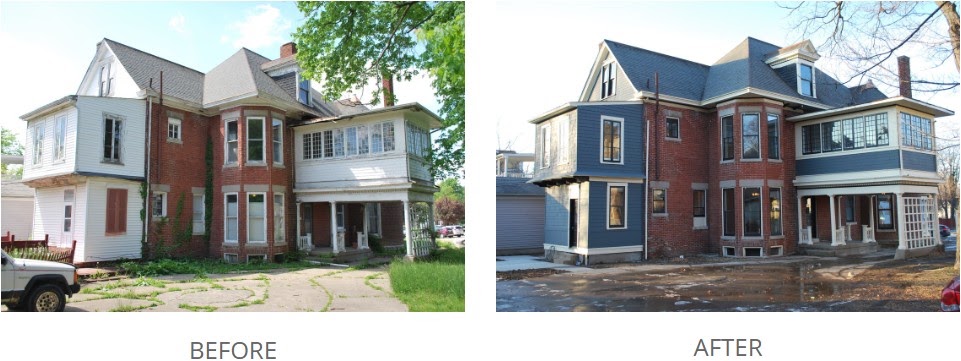
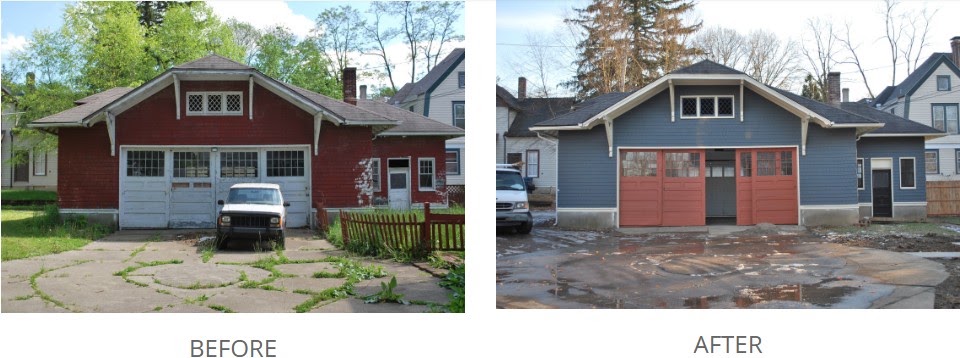
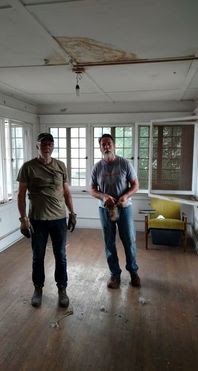
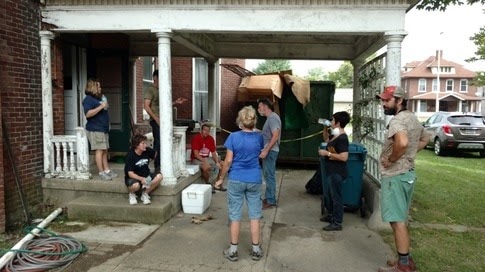
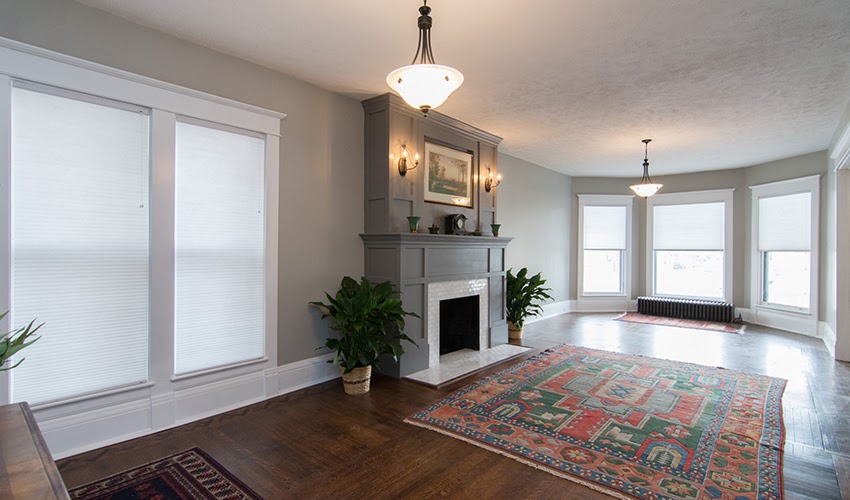
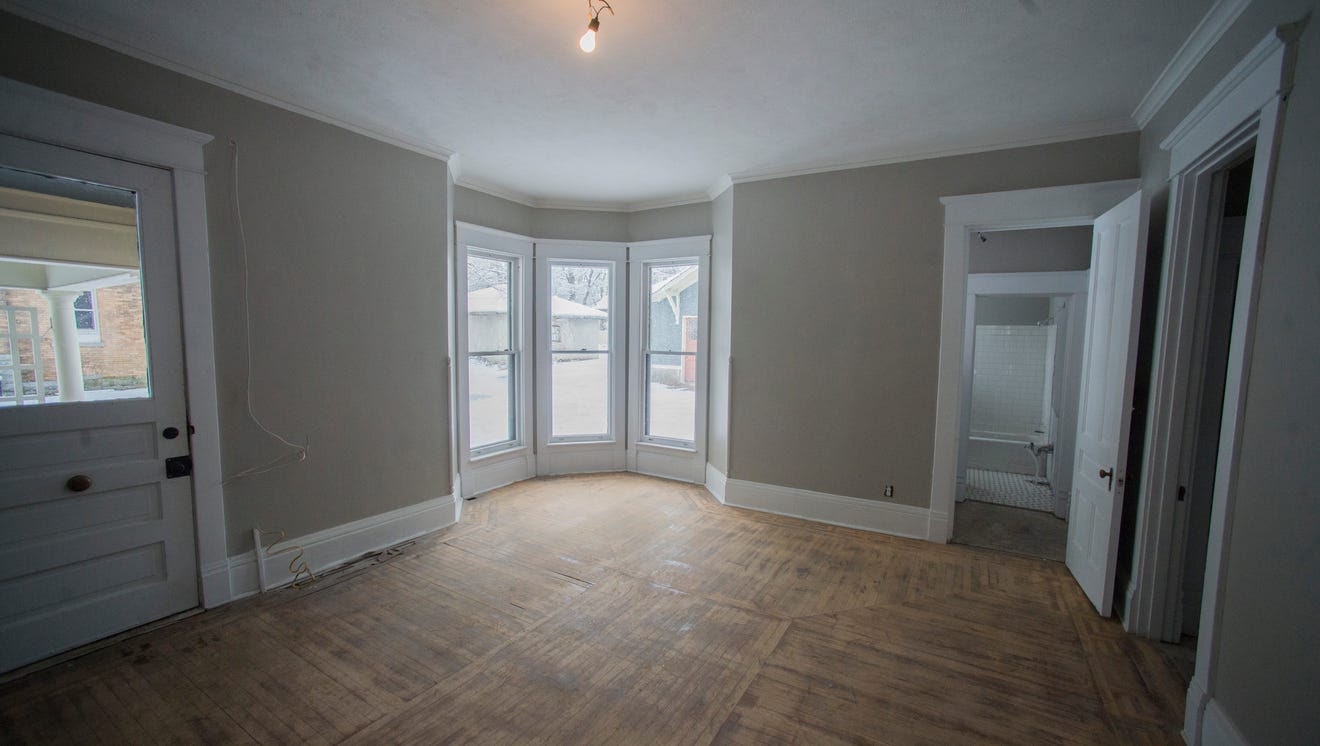
Richmond Neighborhood Restoration rehabilitates the house. Today it is a private home. [orig.]
IV · Millionaire’s Row
Richmond’s manufacturers, bankers and professionals built along East Main Street toward Glen Miller Park. The neighborhood was known as Linden Hill. Within a few doors of each other stood houses built for leaders of the city’s two great mower works, Dille & McGuire and F&N. By 1906 those two firms were counted among the largest lawn-mower makers in the country. [1]
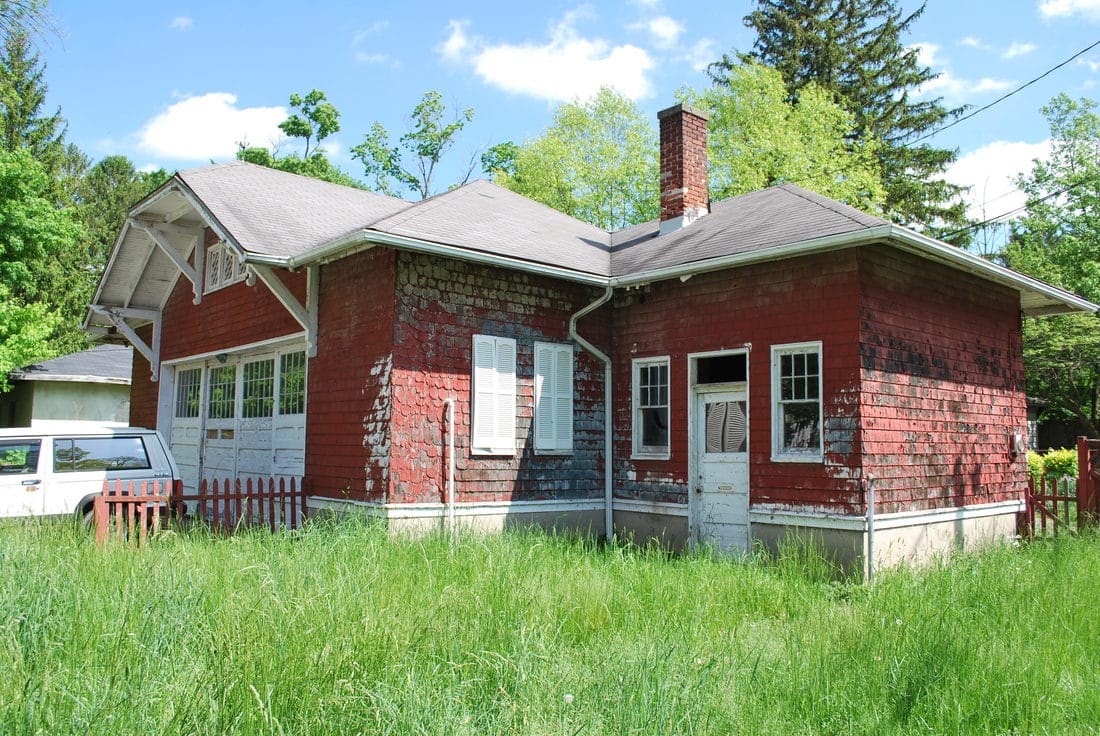
Built in 1895 for Finley Newlin, who helped found the F&N Lawn Mower Company in 1889. Later the home of John H. Nicholson (c. 1903–10). [1][2]
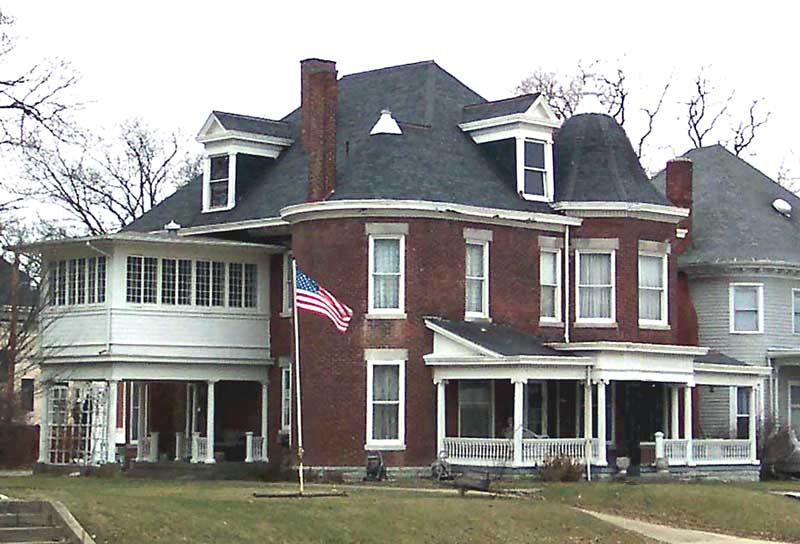
Elwood W. McGuire House, 1900–01, Stephen O. Yates, architect. President of Dille & McGuire. [1]
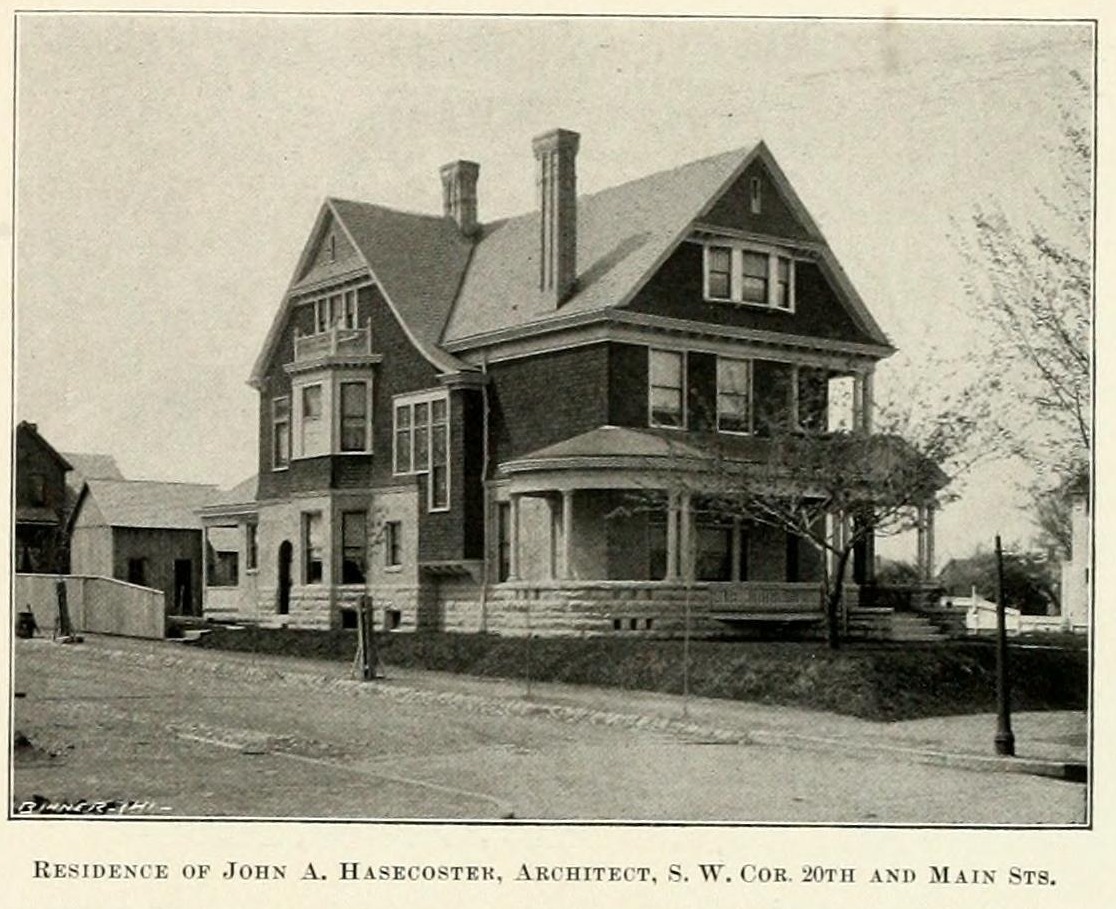
John A. Hasecoster House, 1895. Queen Anne with Colonial Revival details and stepped stair windows. Hasecoster was “the city’s most important architect during the last quarter of the nineteenth century” and lived here until about 1920. [1]
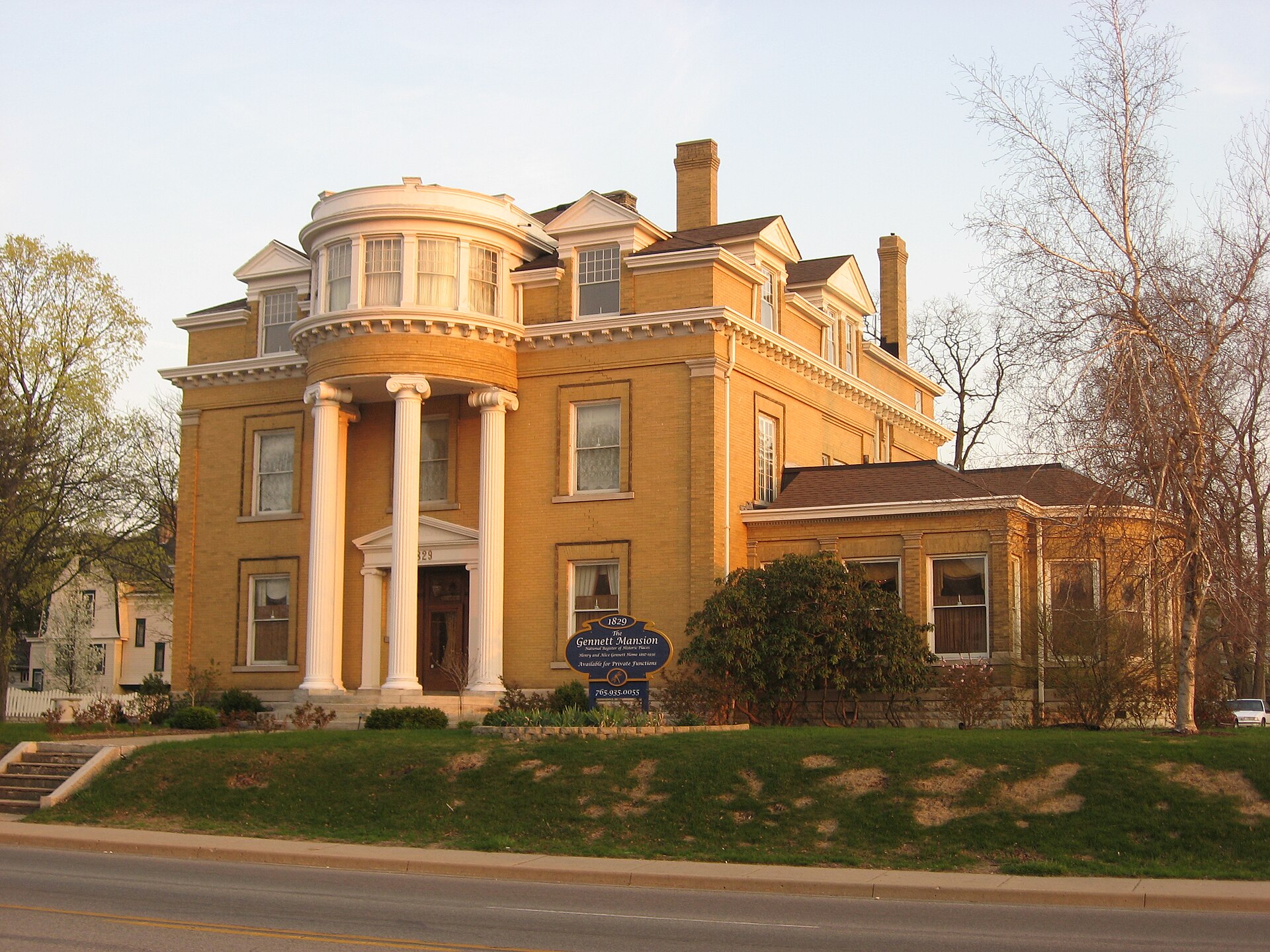
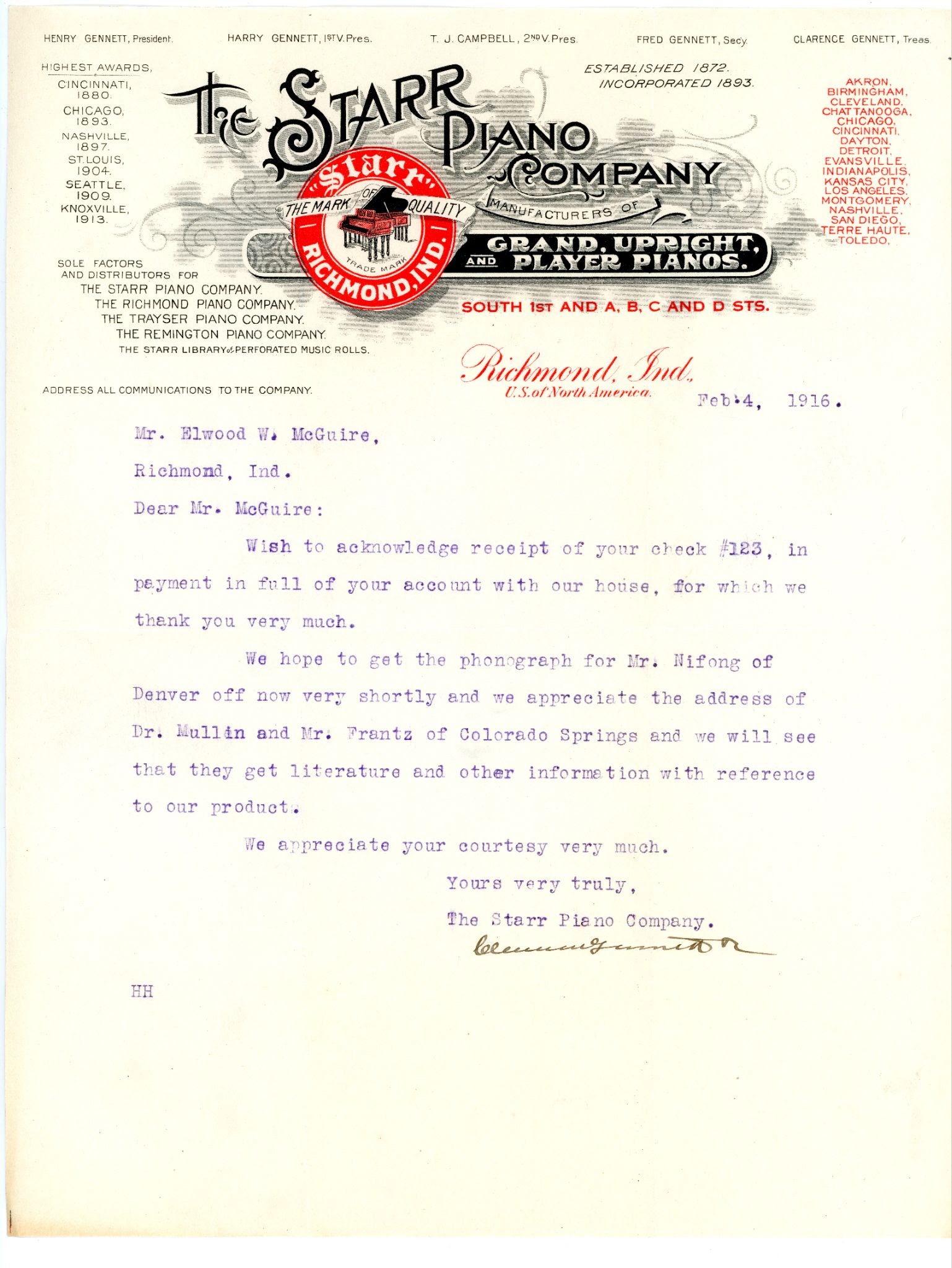
The Henry & Alice Gennett House, about 1898, with a colossal Ionic portico. Henry Gennett became president of the Starr Piano Company in 1898. The district nomination credits Hasecoster; the house’s own 1983 nomination lists the architect as unknown. [1][8]
The Samuel Dickinson House, 1903, designed by John A. Hasecoster for a bank president. It later became the Lynndale House bed & breakfast. [1]
V · Richmond, Indiana

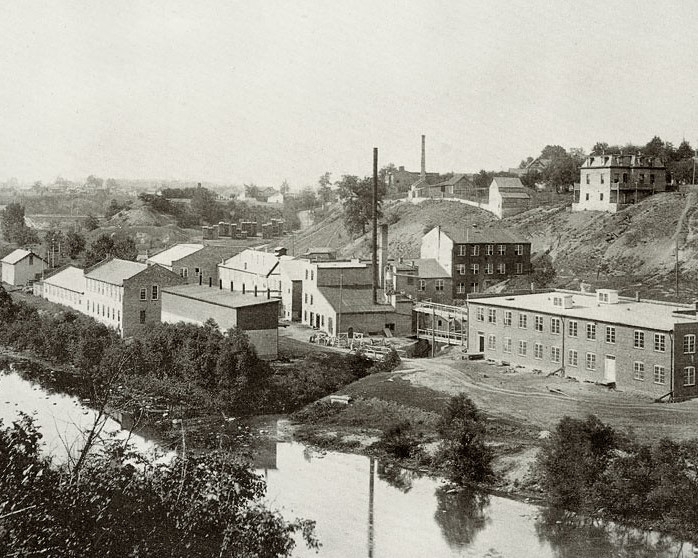
At their height, ten Richmond companies produced about two-thirds of the world’s reel push mowers. Among them were Dille & McGuire, F&N, Davis, Champion and Moto-Mower. [5][6]

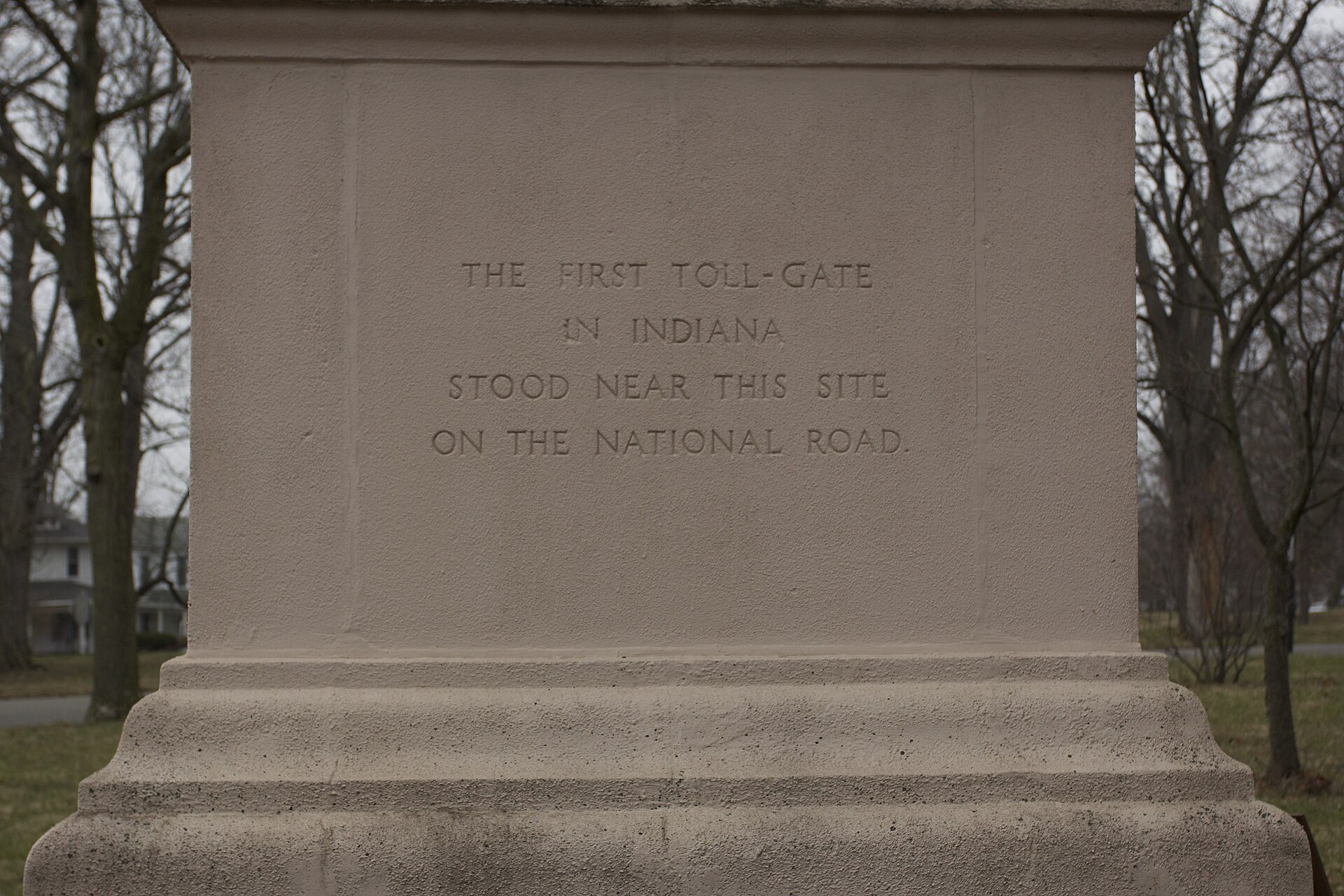
East Main Street is the old National Road, later US 40. It carried settlers west through a town founded by Quakers in the early 1800s, the home of Earlham College since 1847.
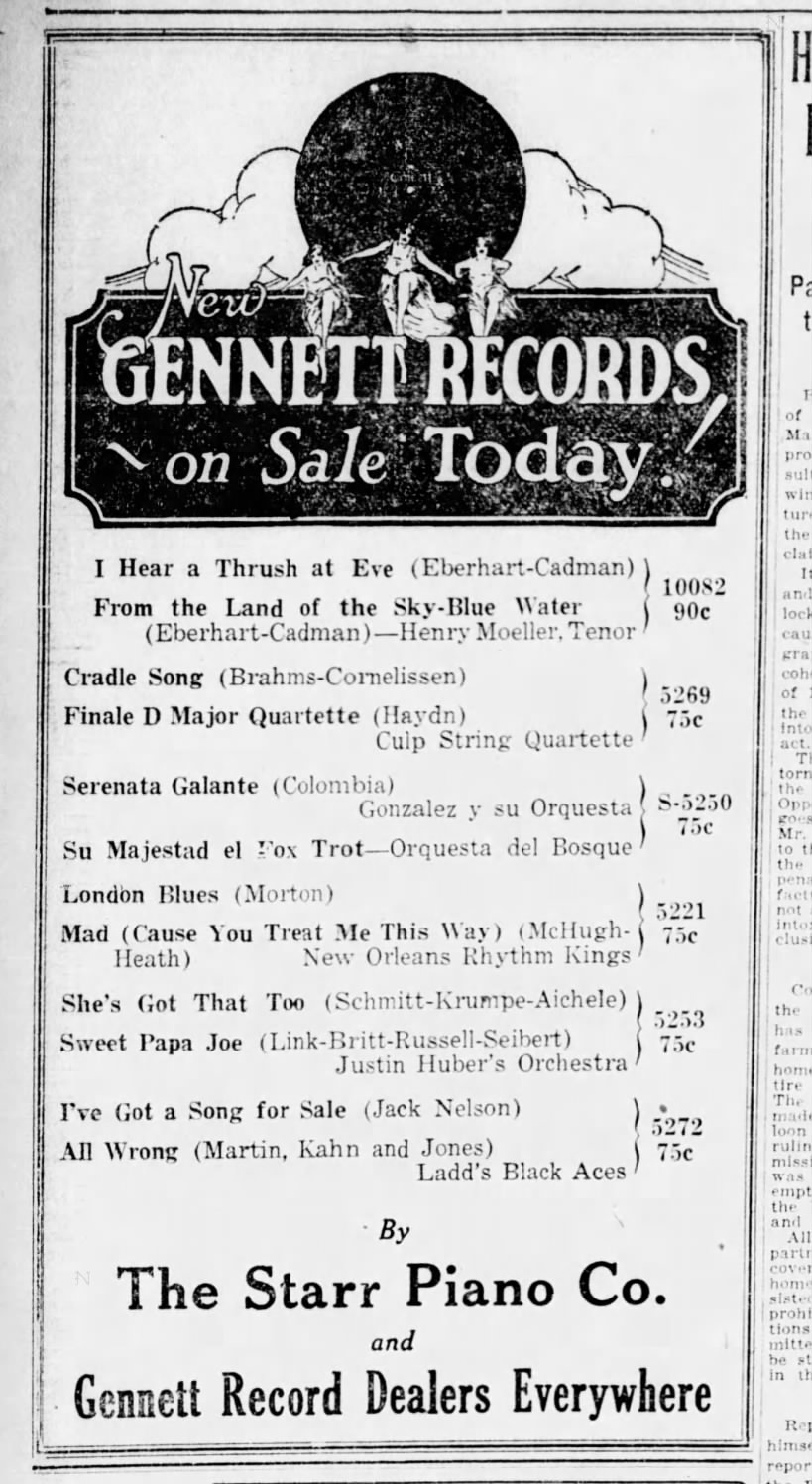
Starr Piano’s Gennett Records label recorded King Oliver’s Creole Jazz Band with a young Louis Armstrong in 1923, and Hoagy Carmichael’s “Stardust” in 1927. [9]
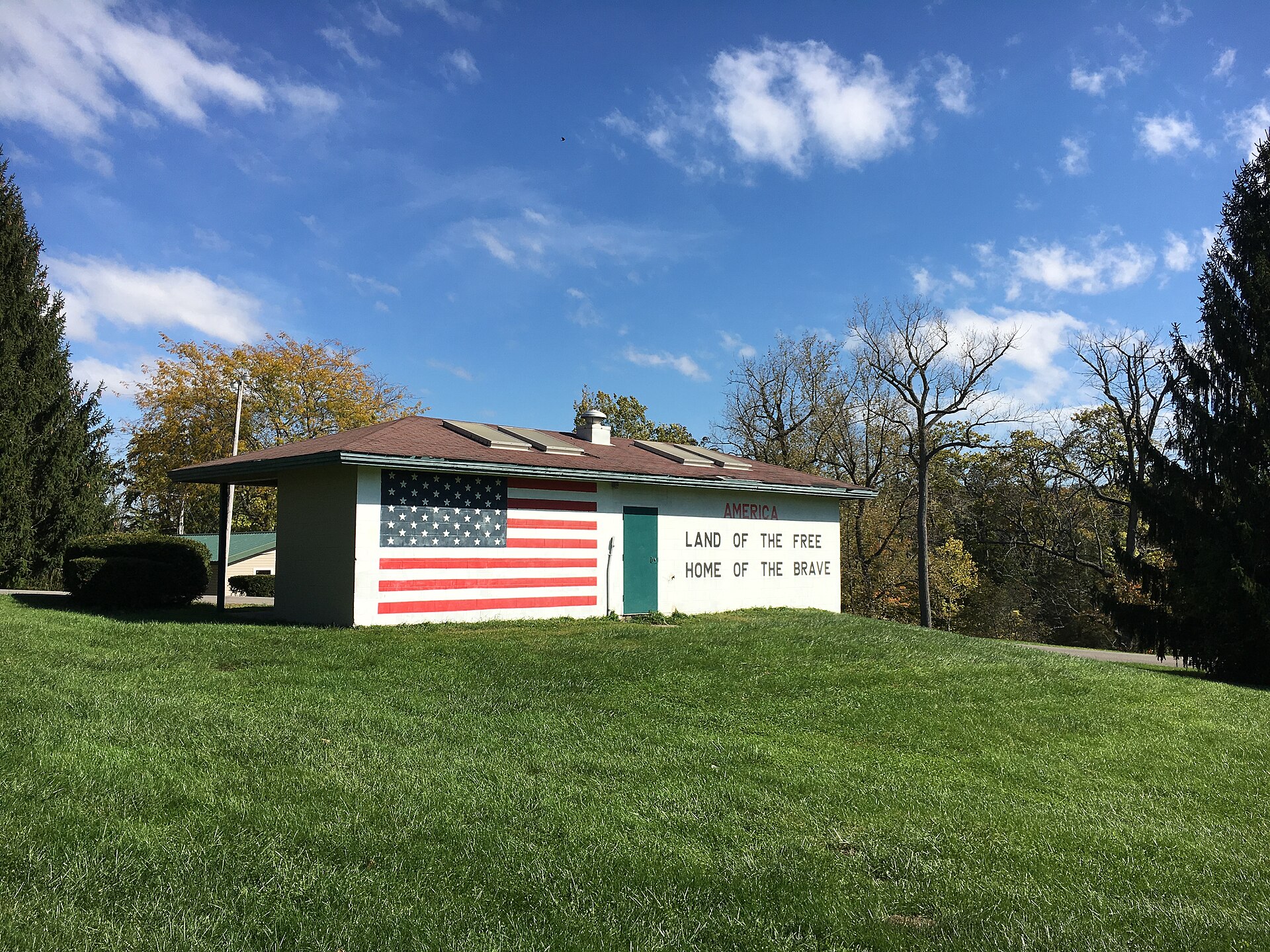
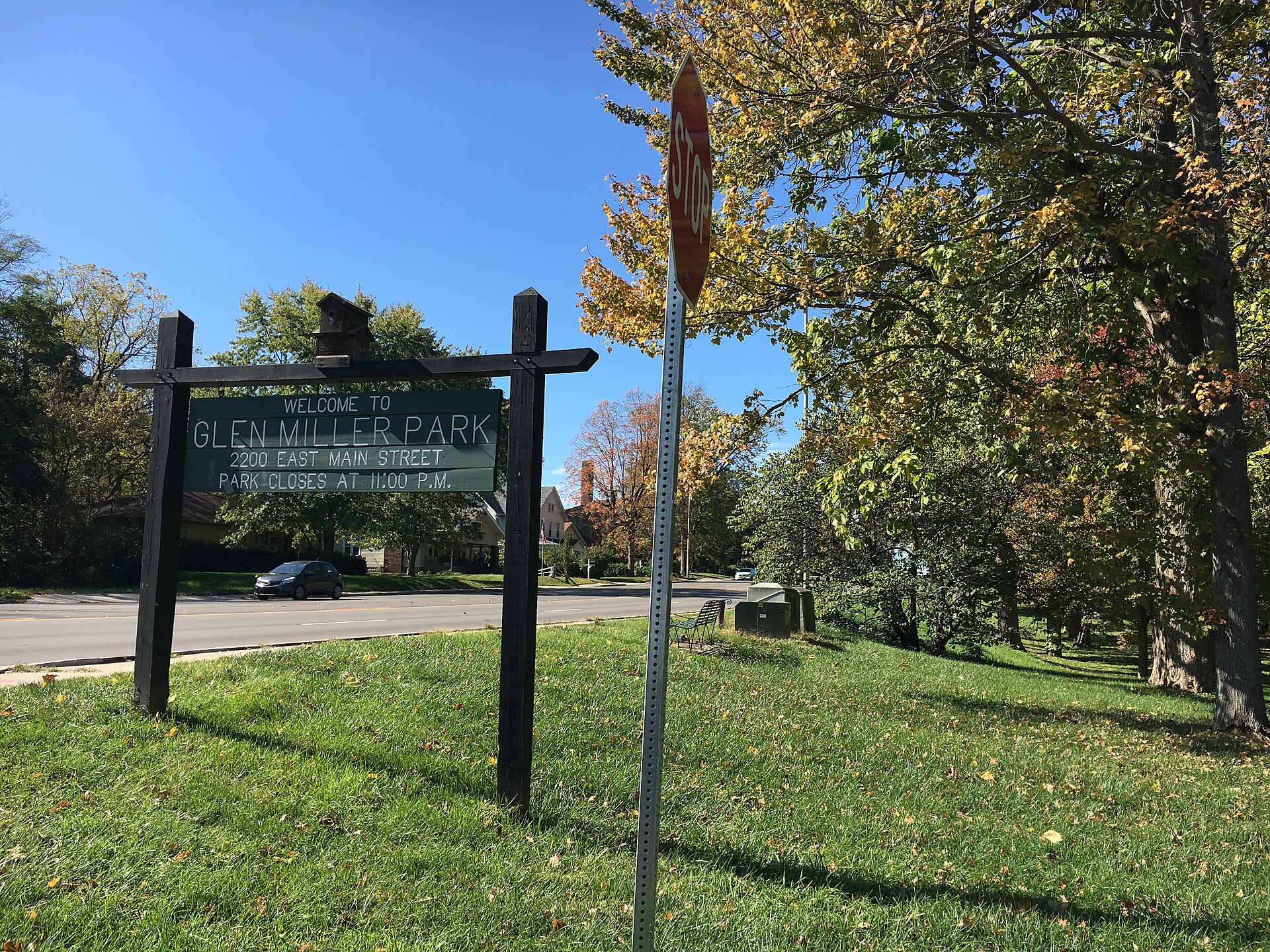
The park borders the district. Its Madonna of the Trail (1928) is one of twelve the Daughters of the American Revolution placed along the old roads west. [1][10]
VI · Gallery
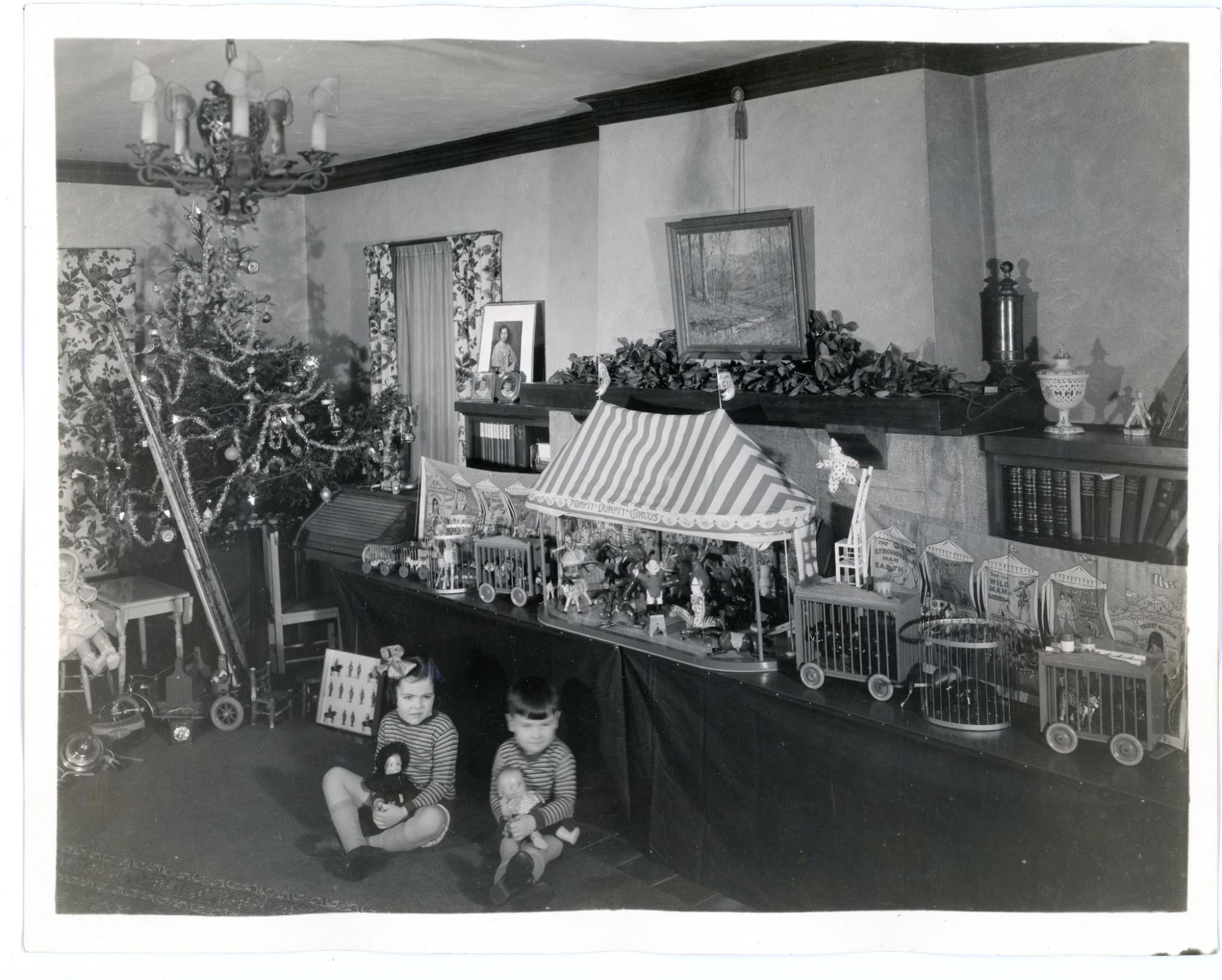
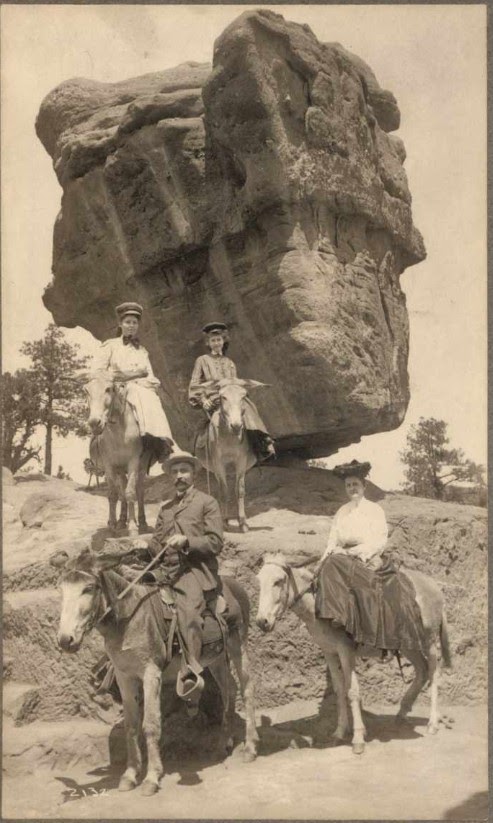
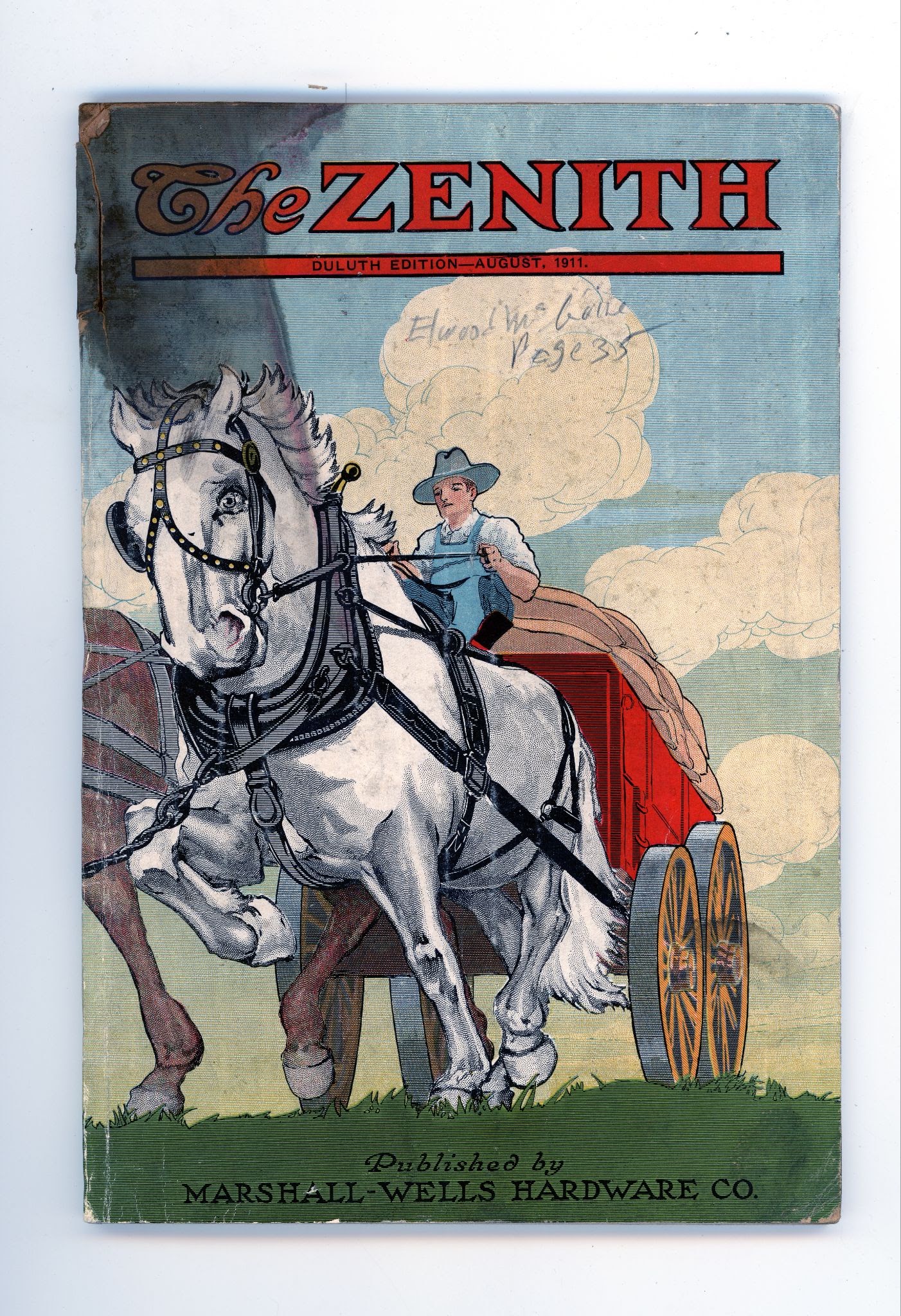
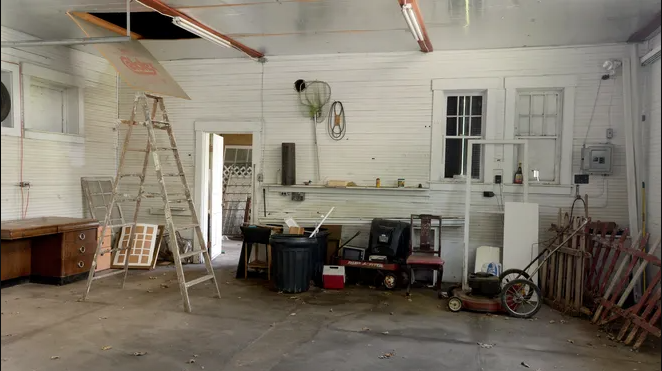
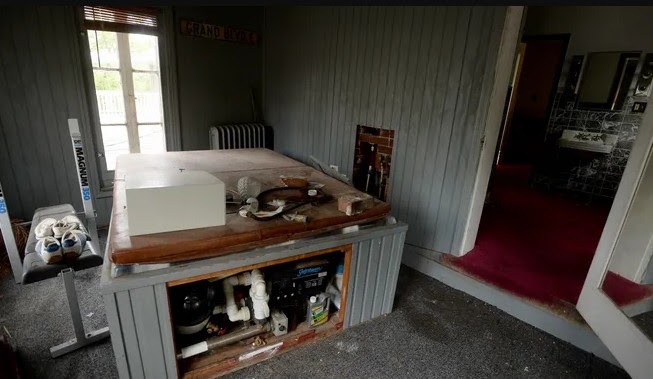
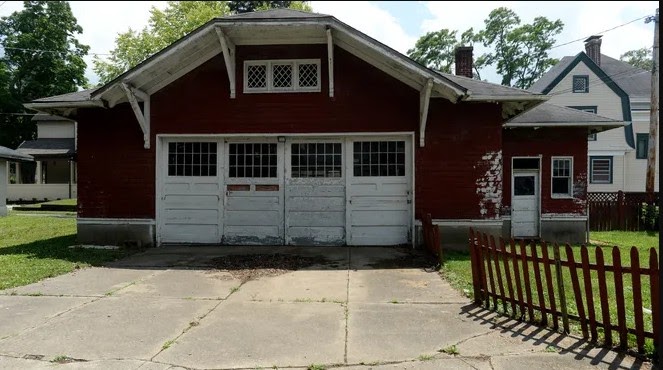
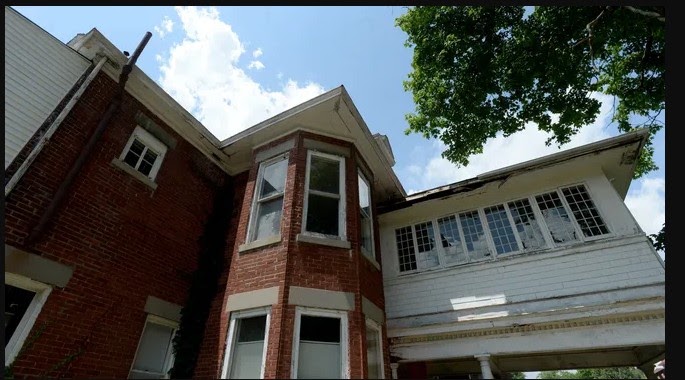
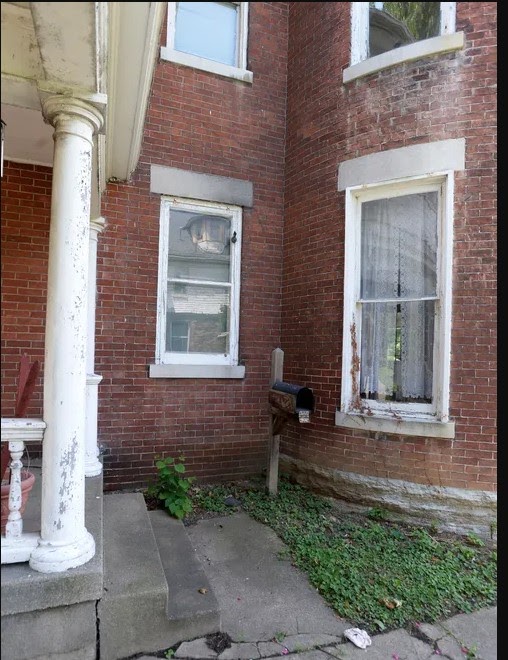
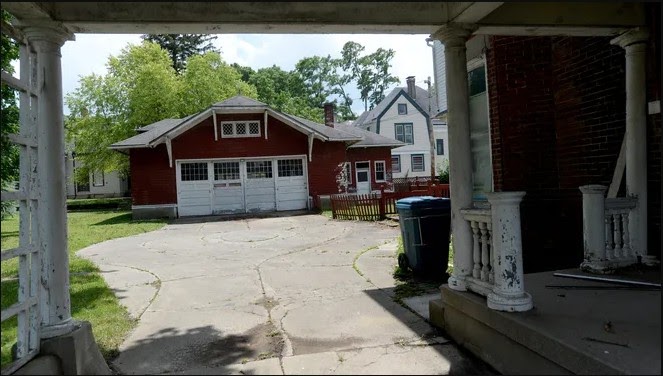
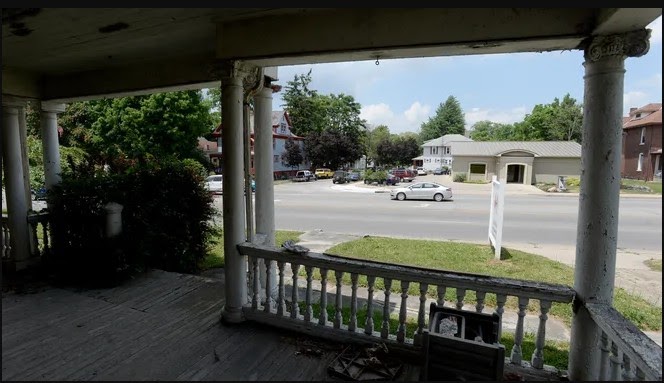
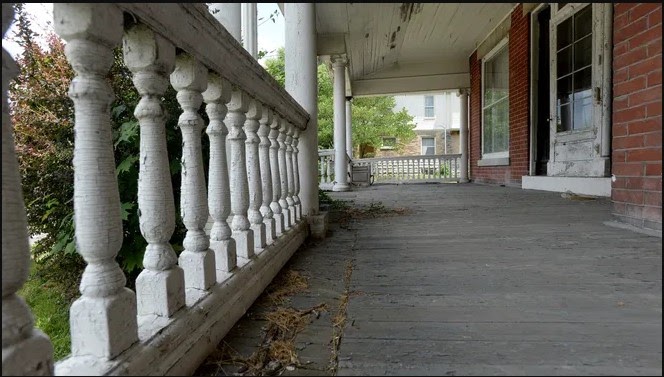
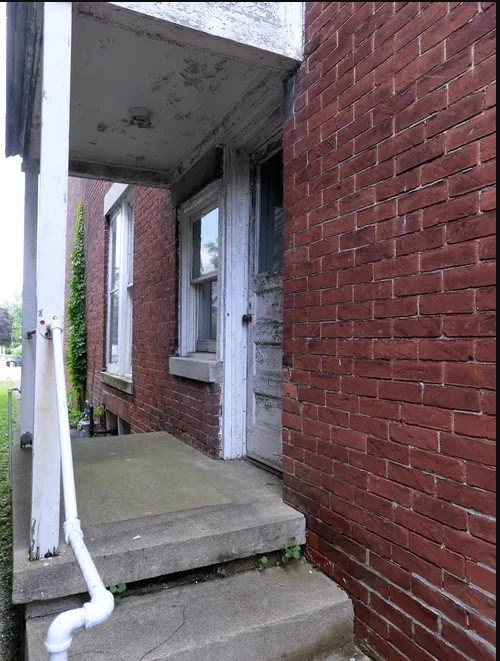
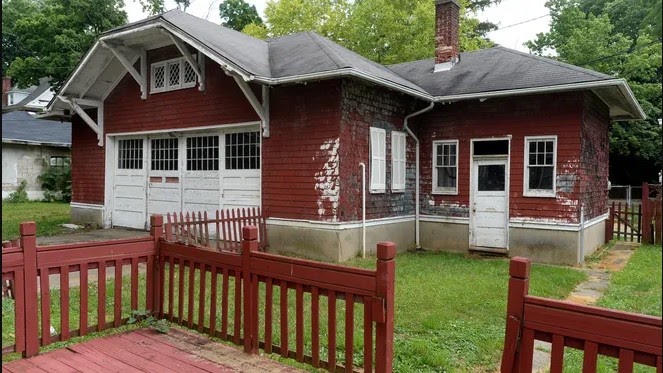
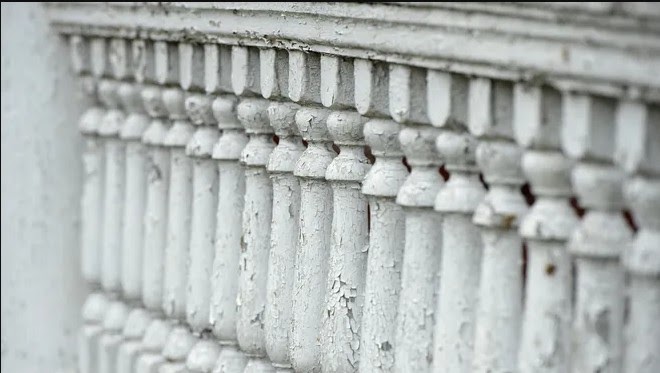
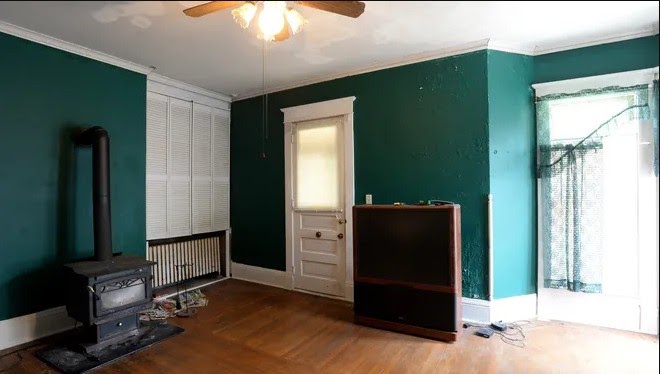
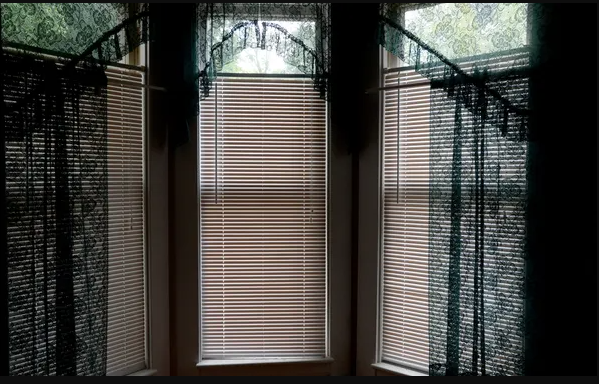
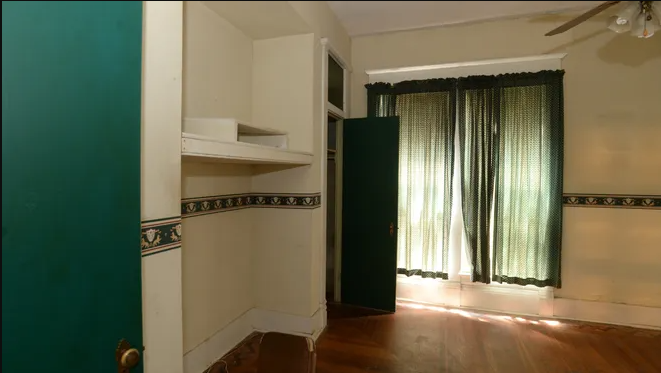
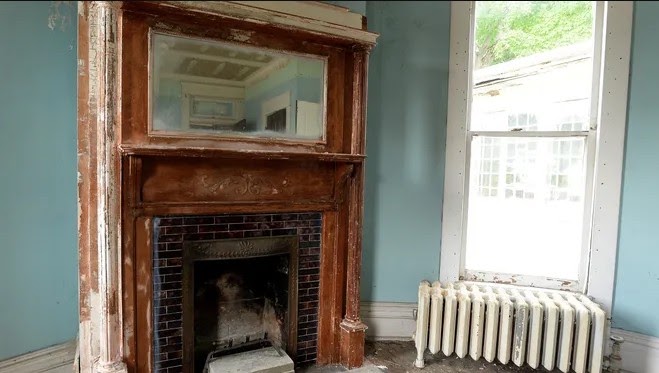
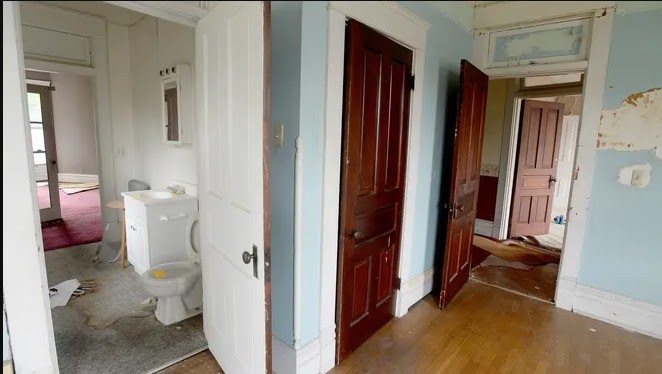
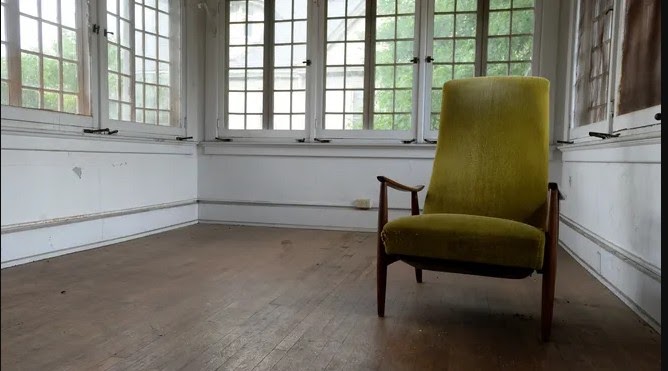
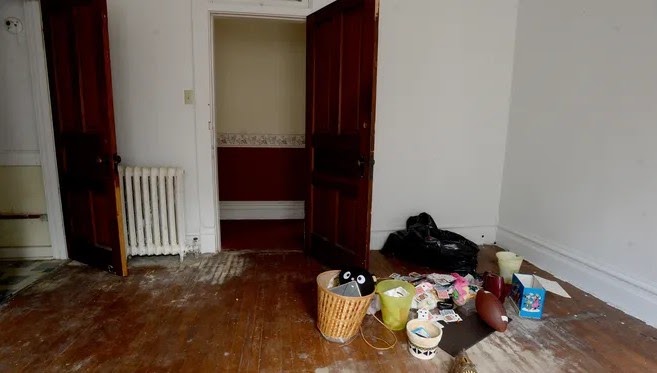
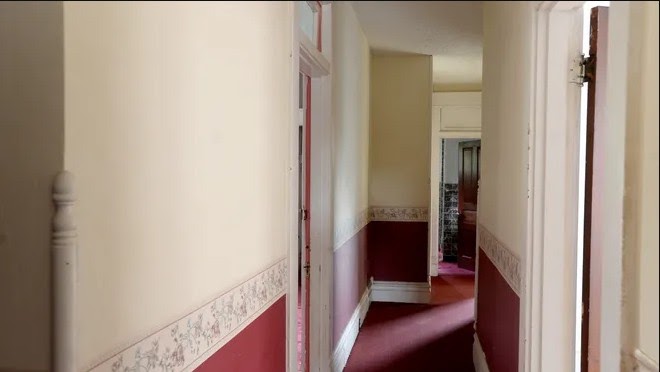
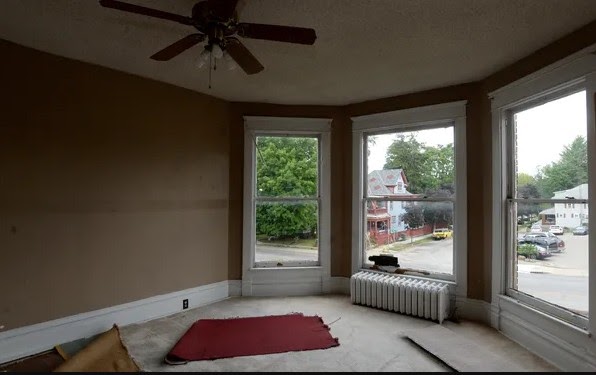
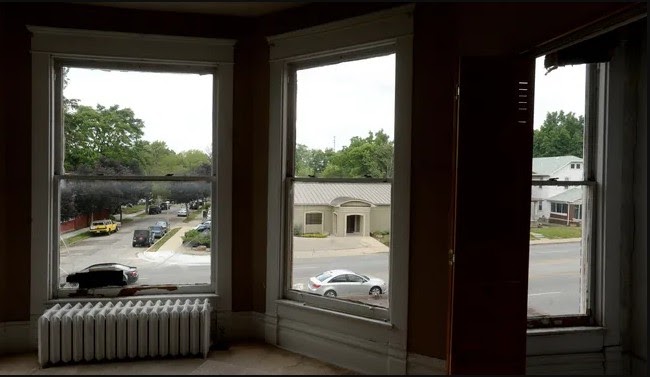
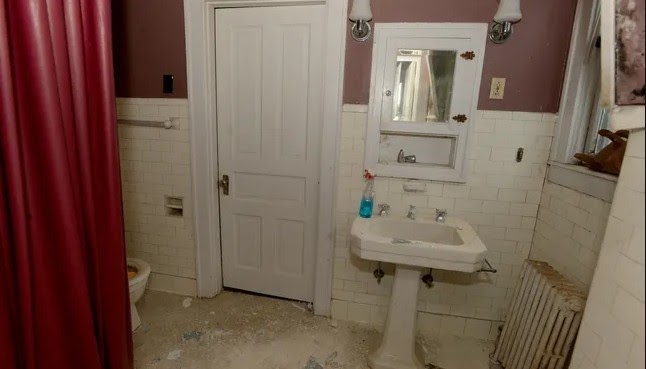
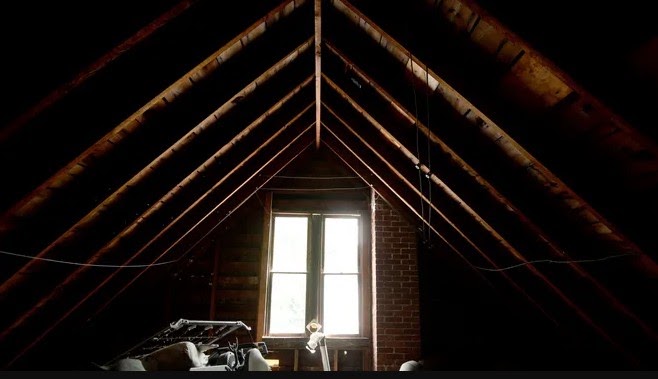
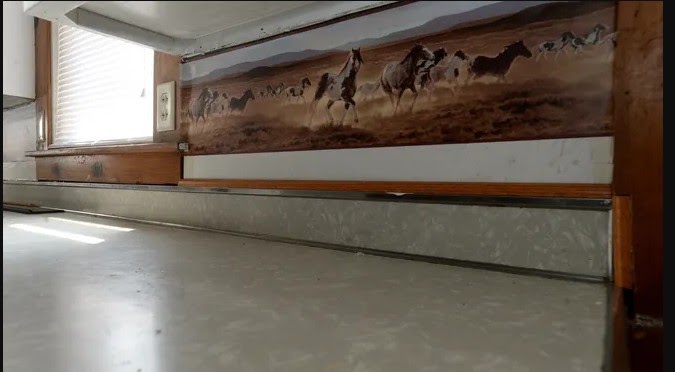
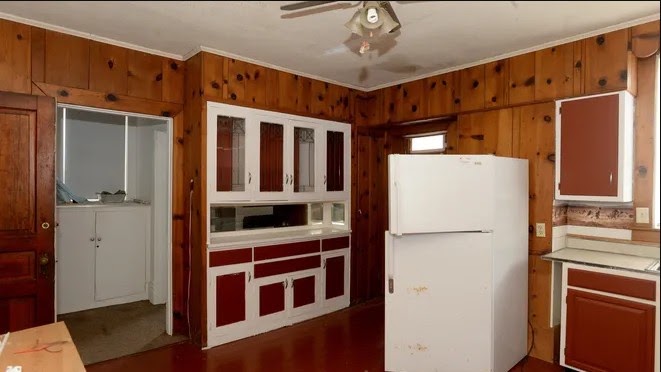
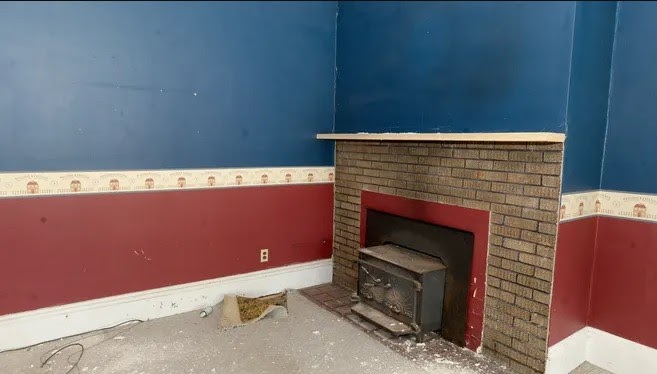
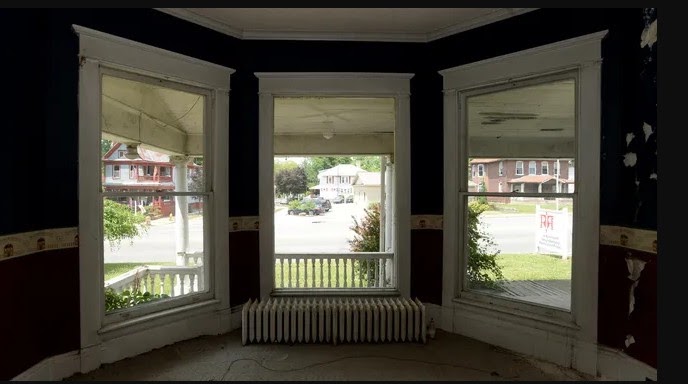
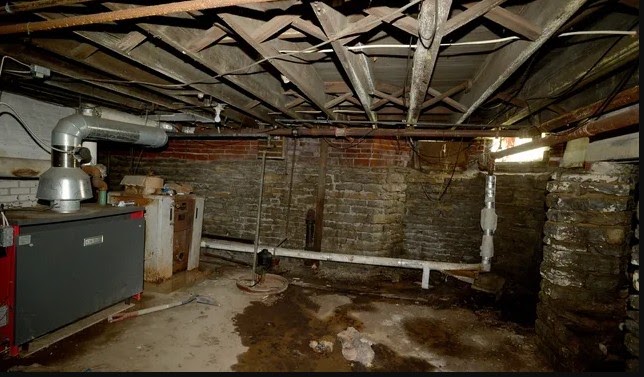
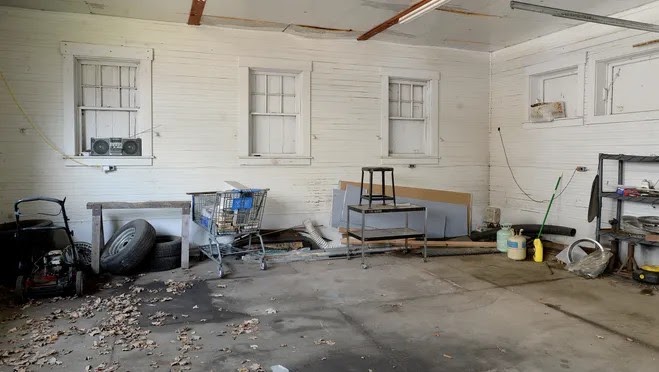
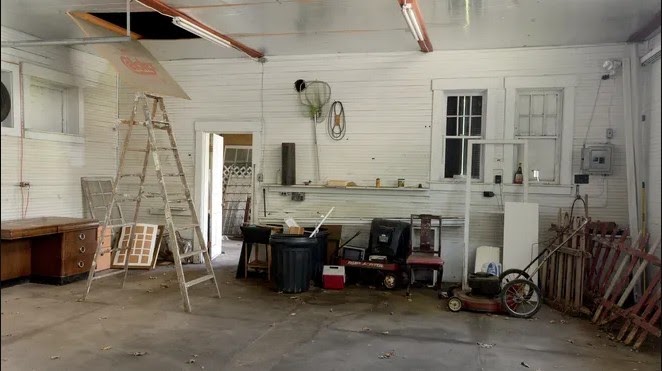
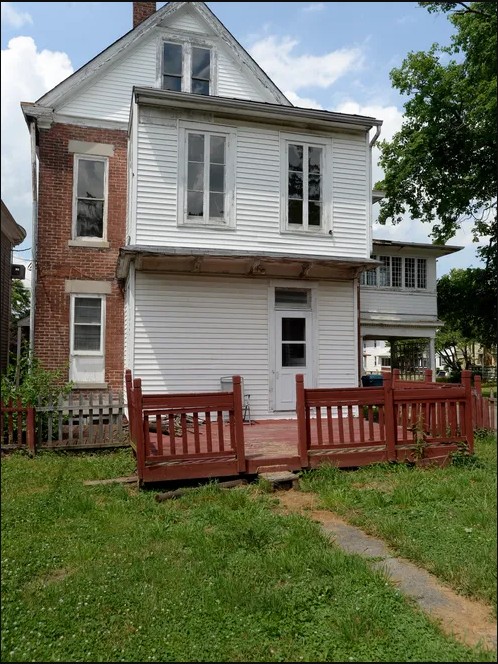
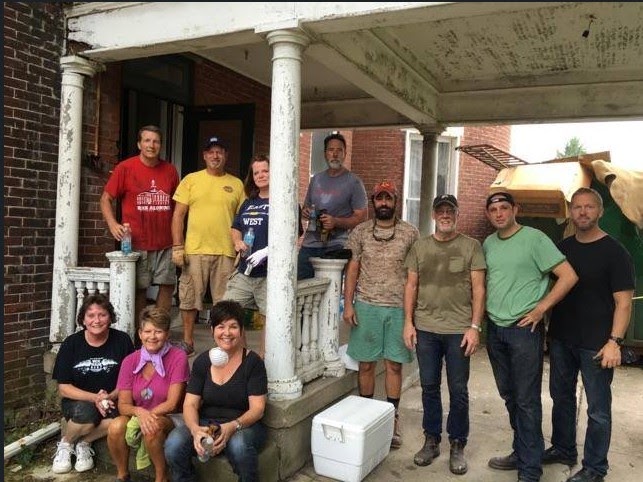
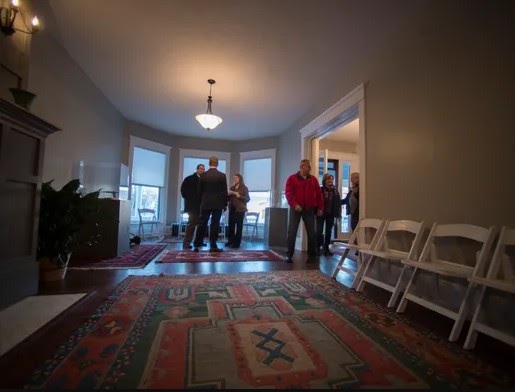
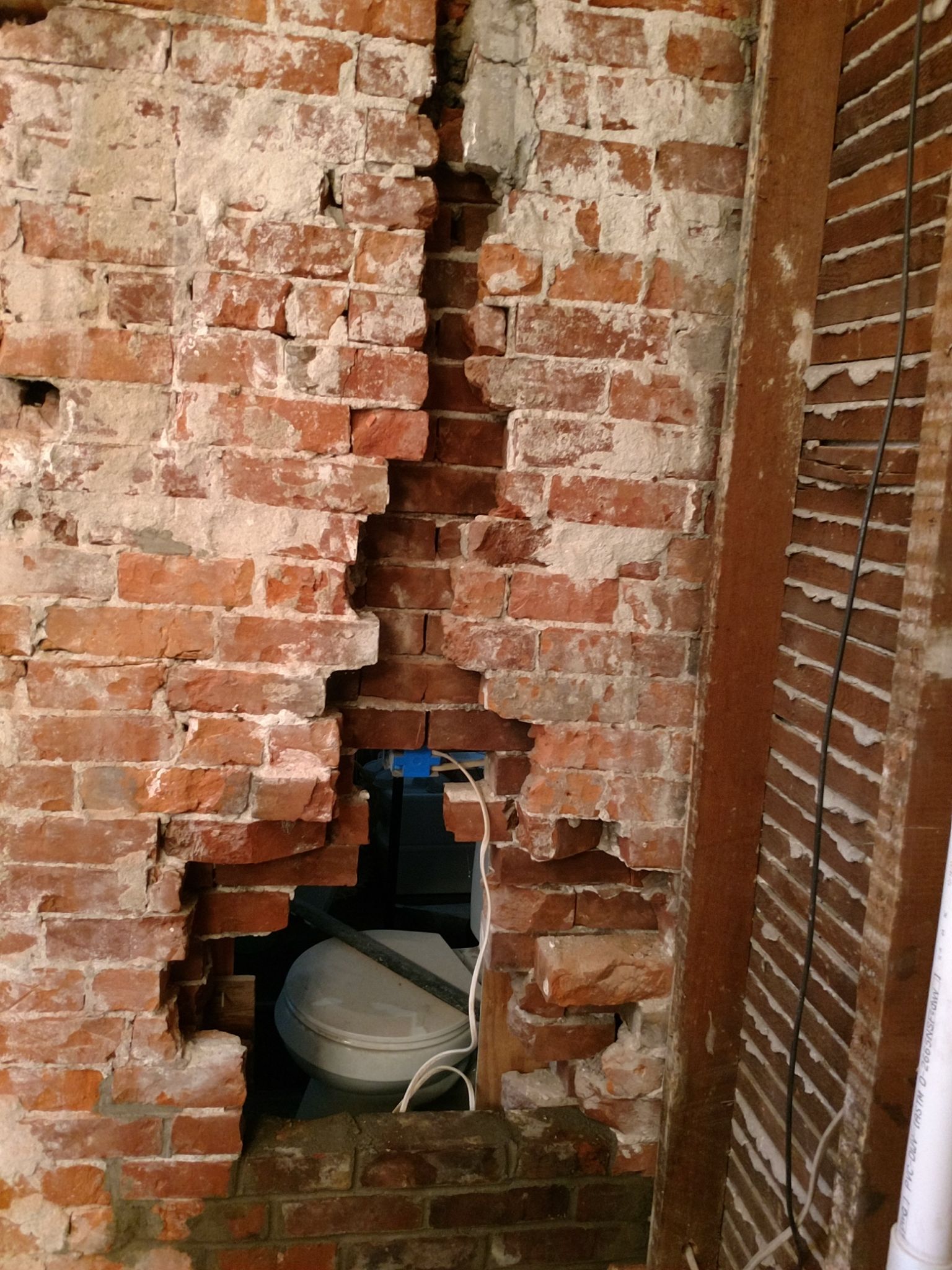
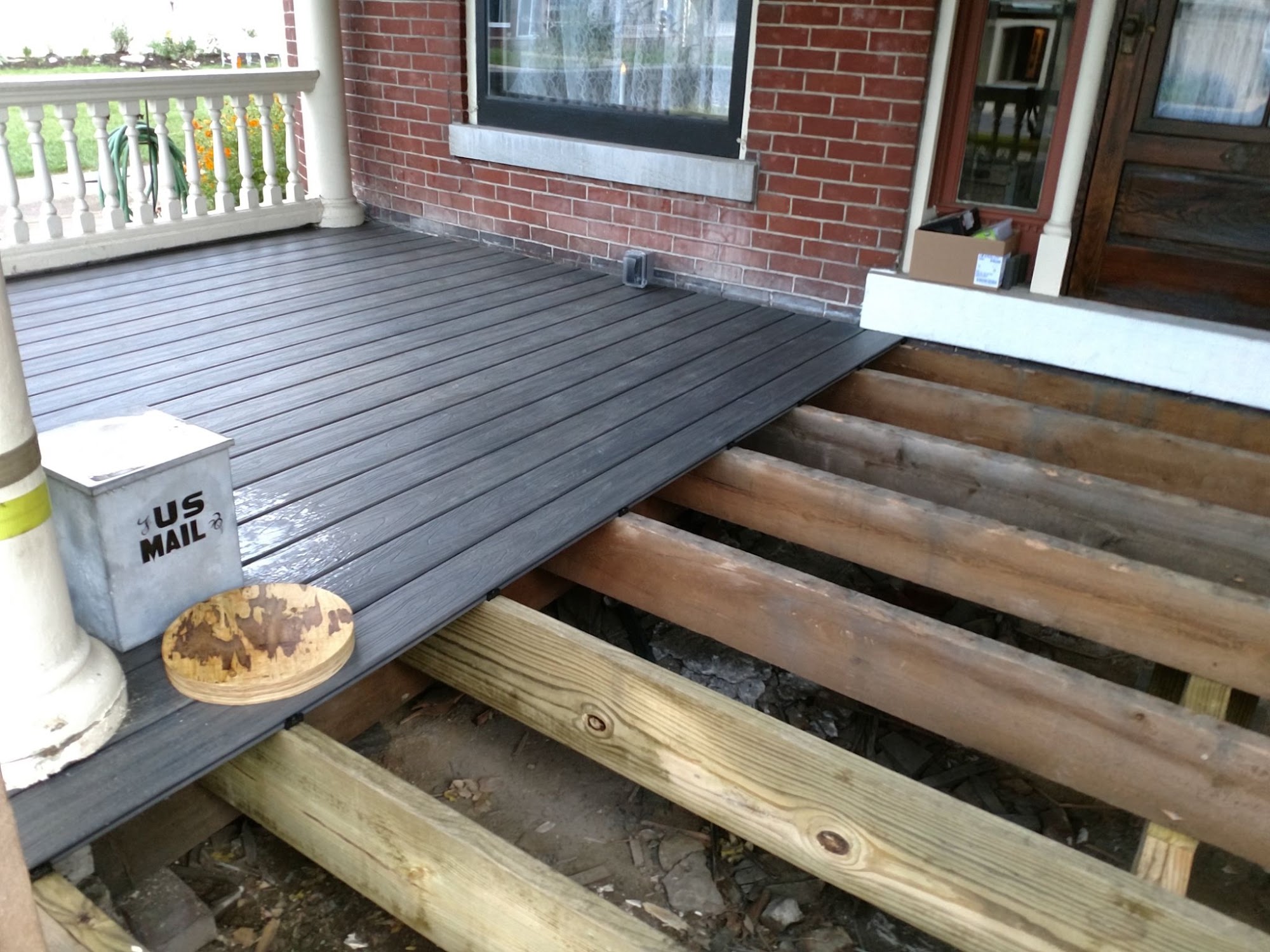
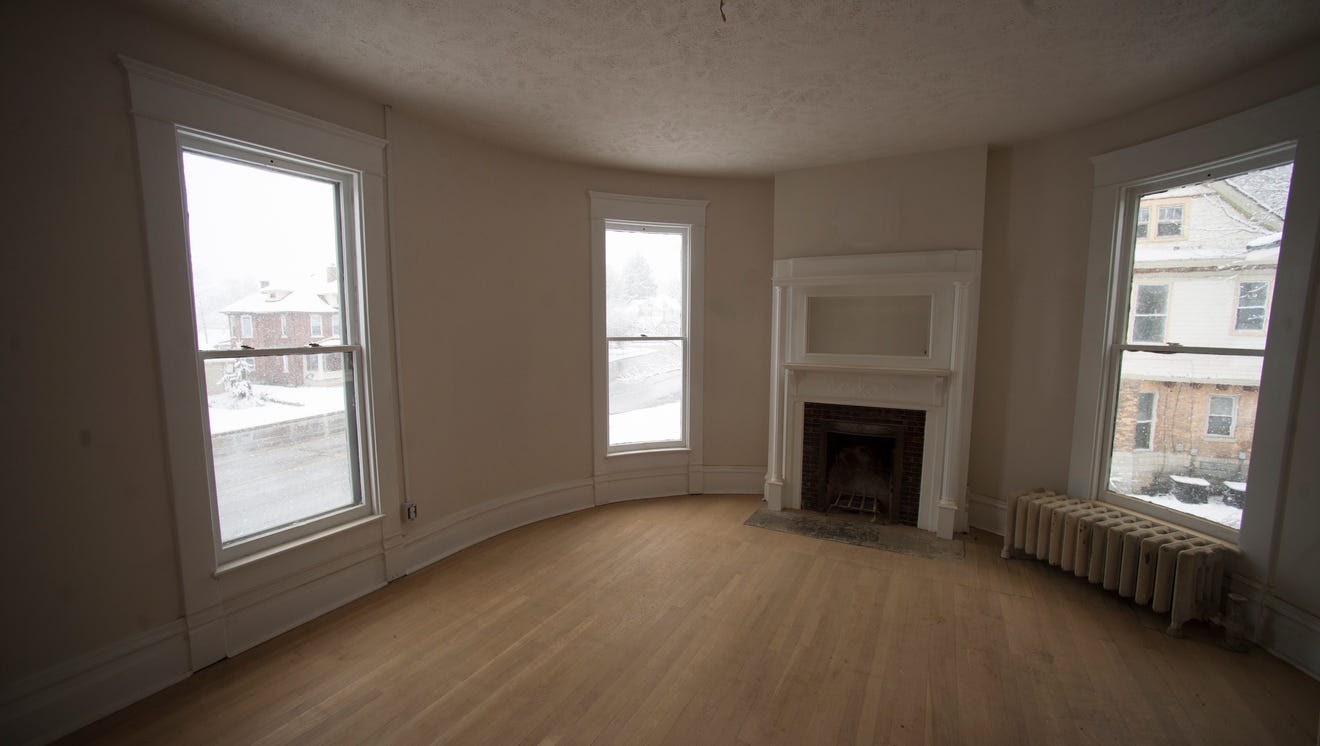
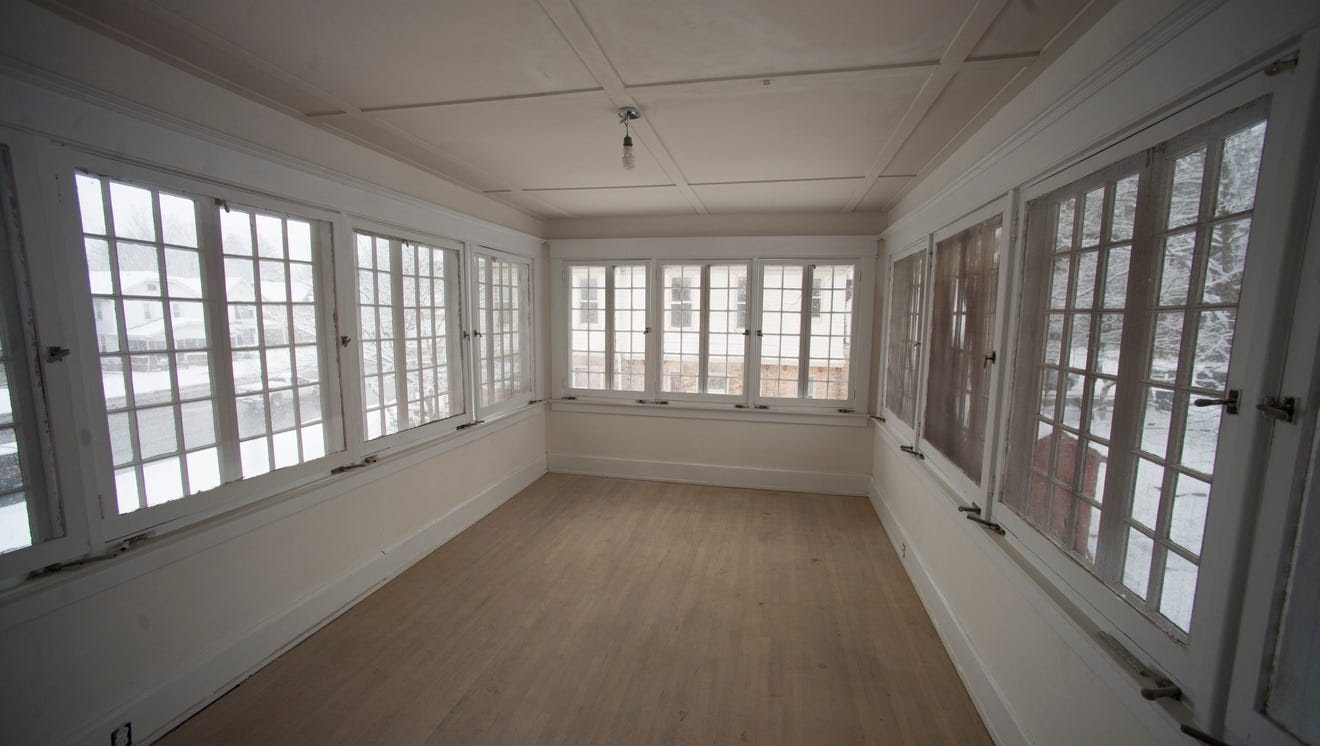
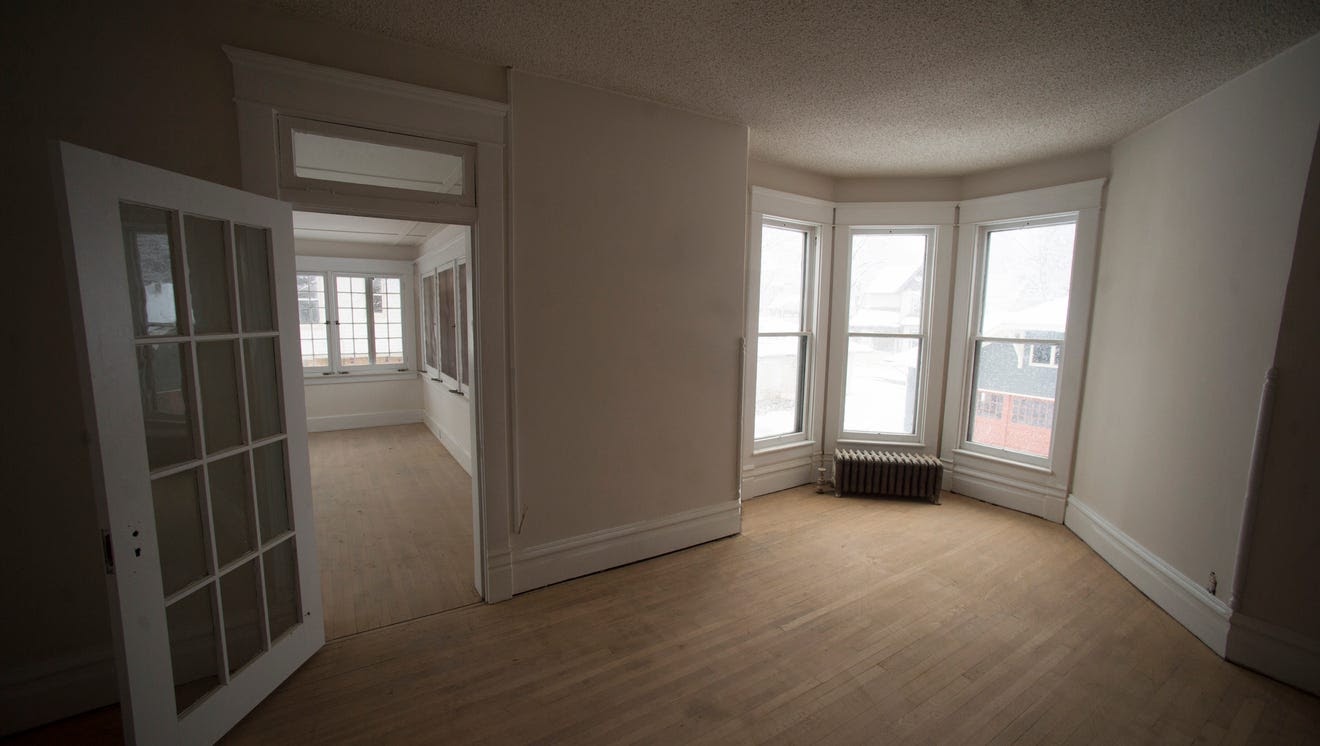
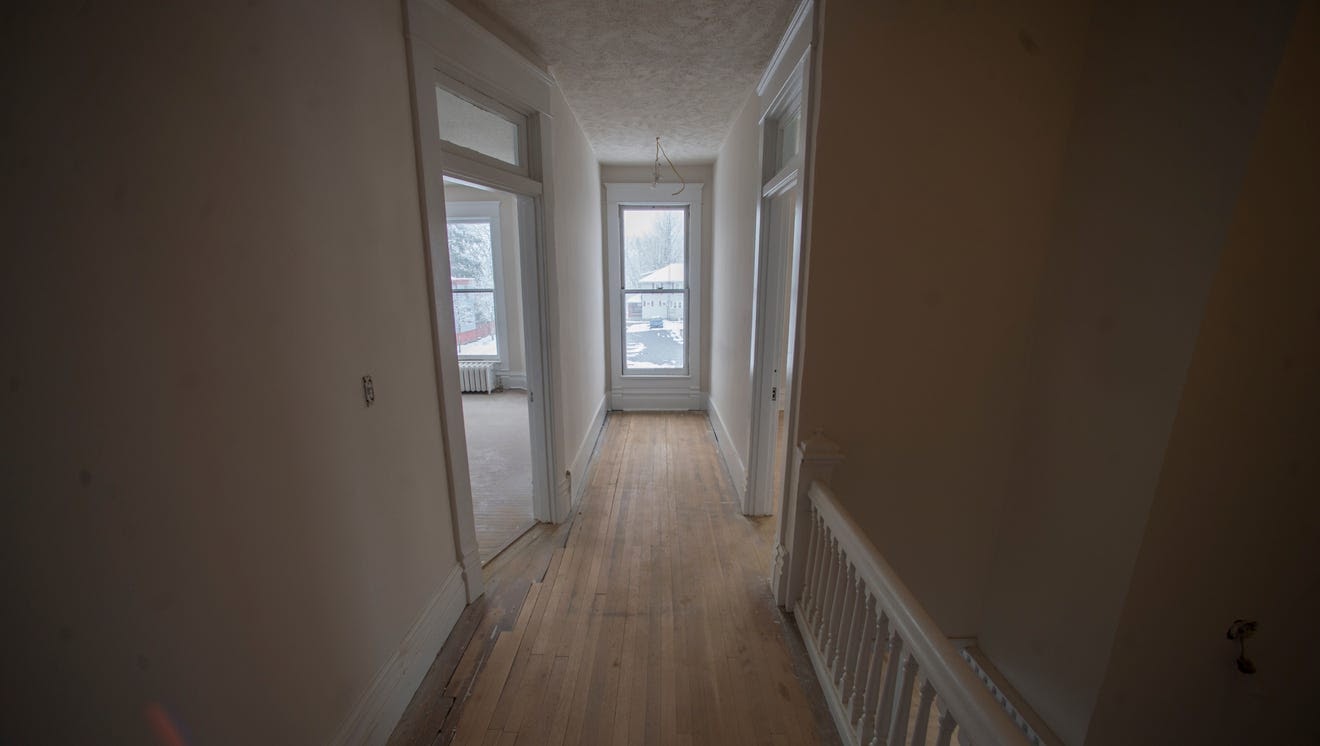
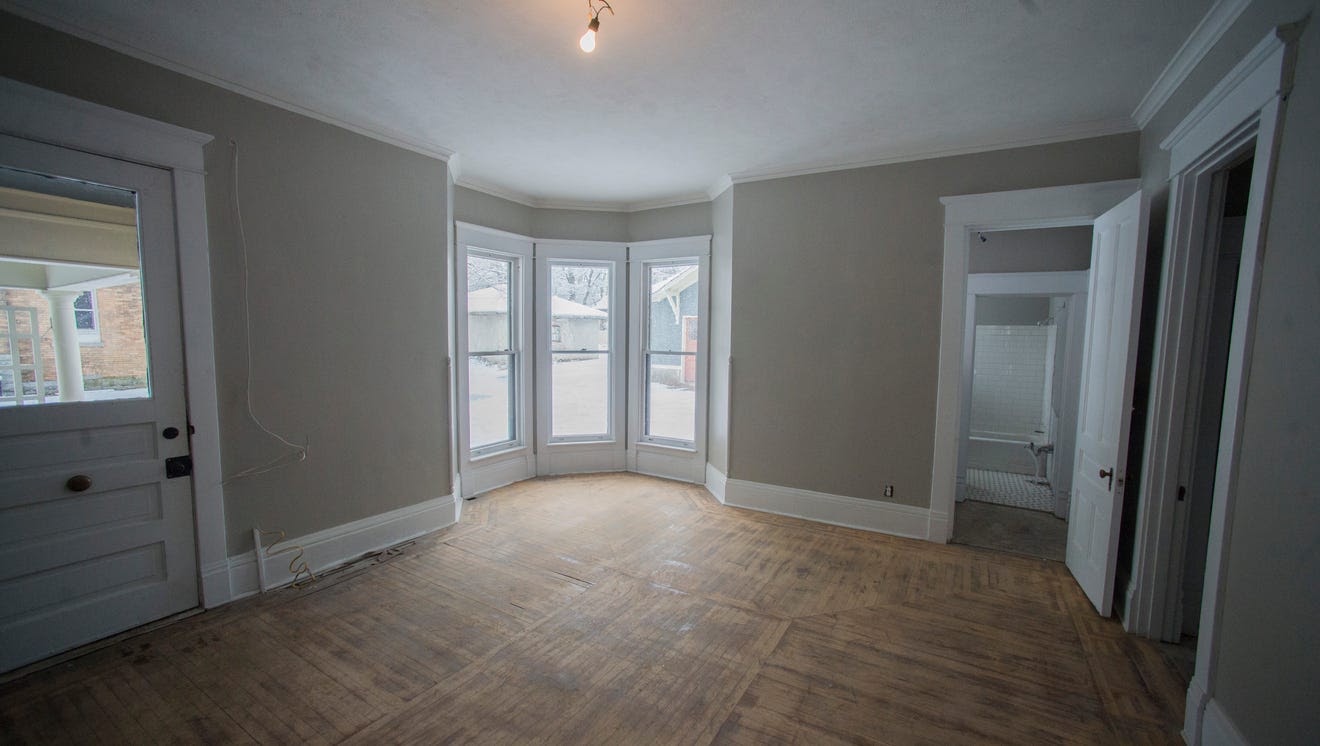
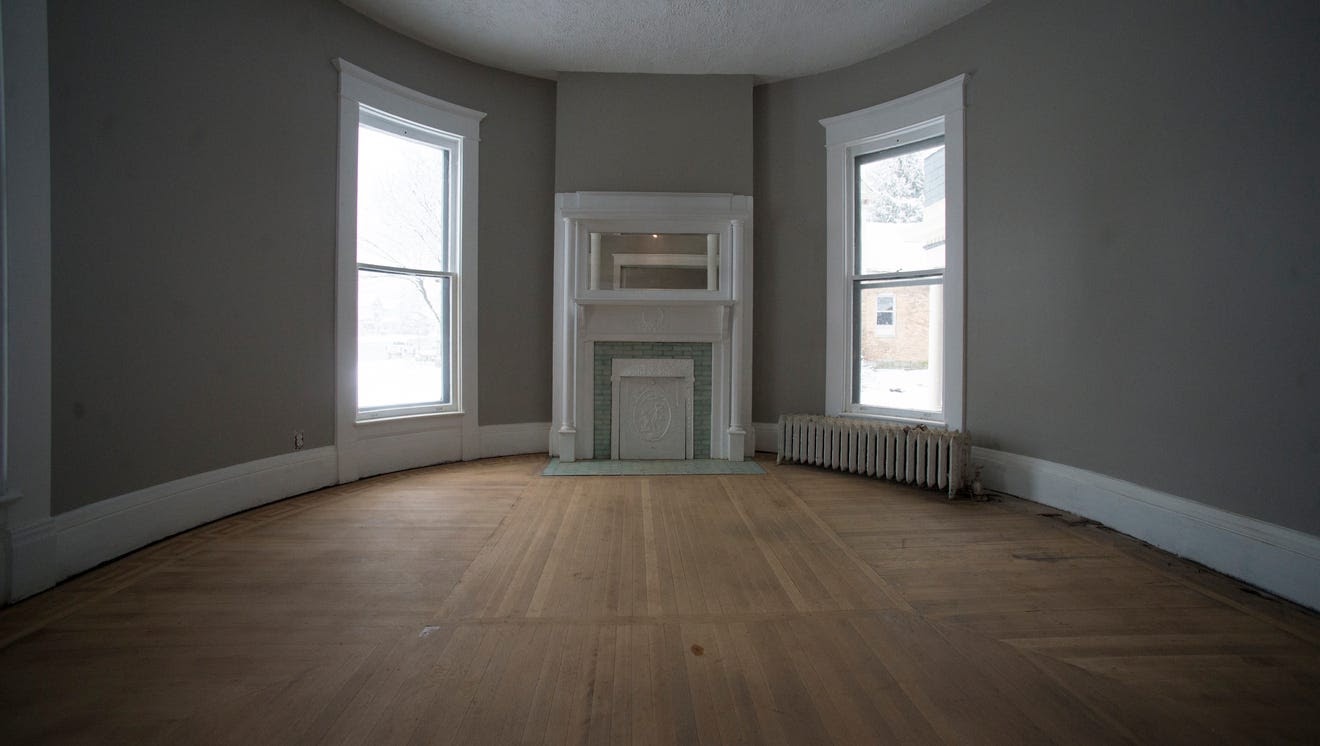
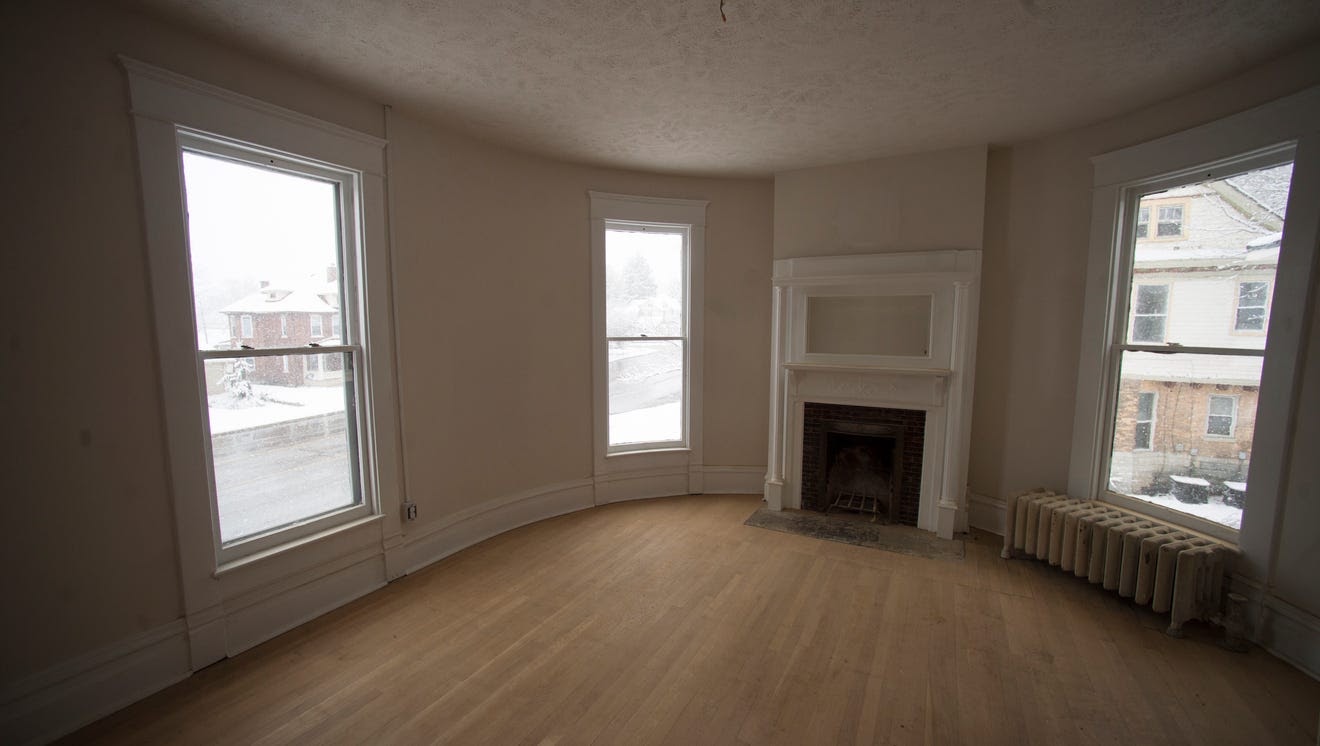
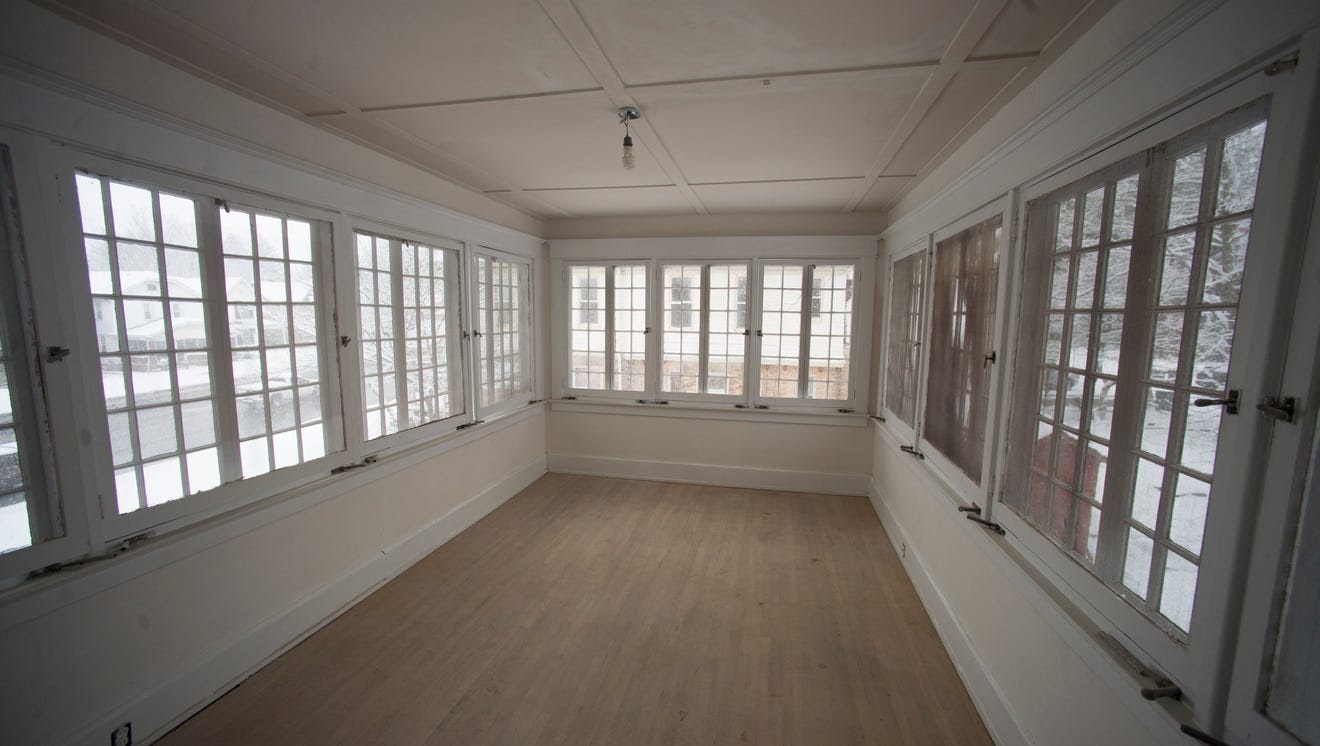
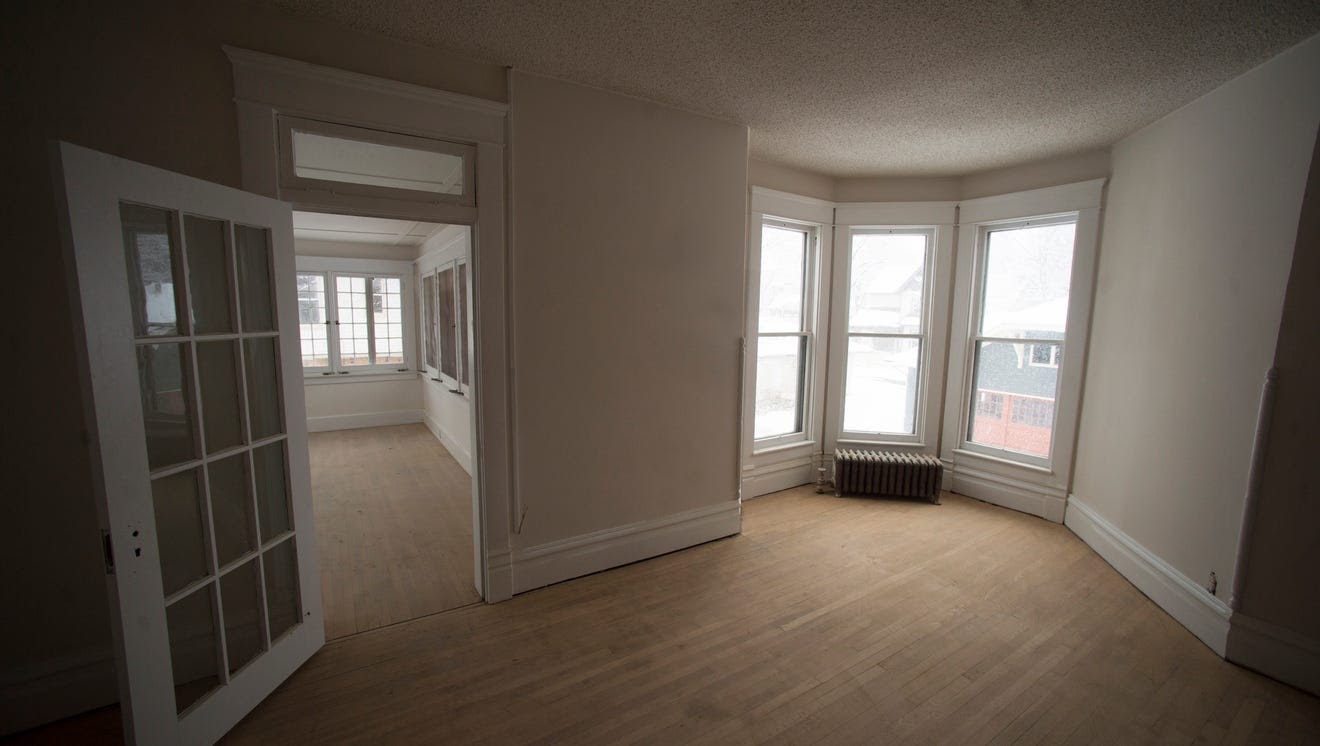
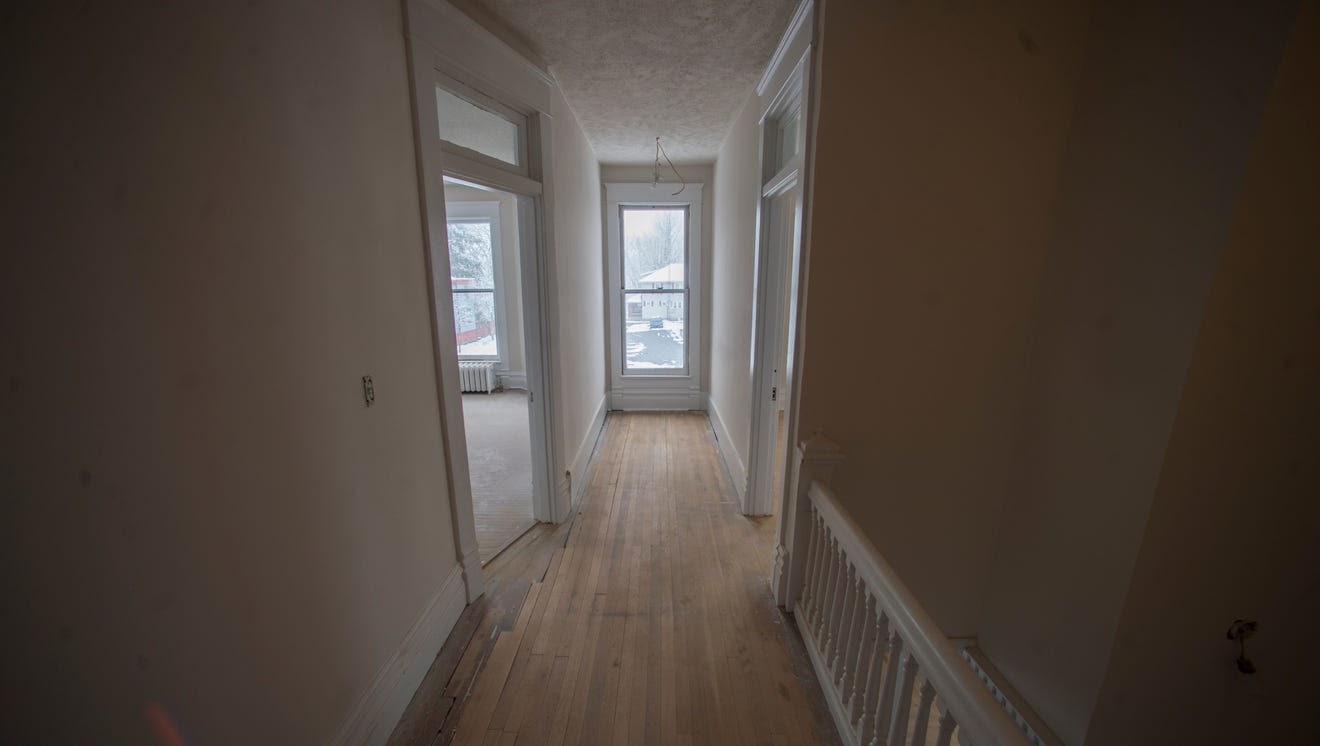
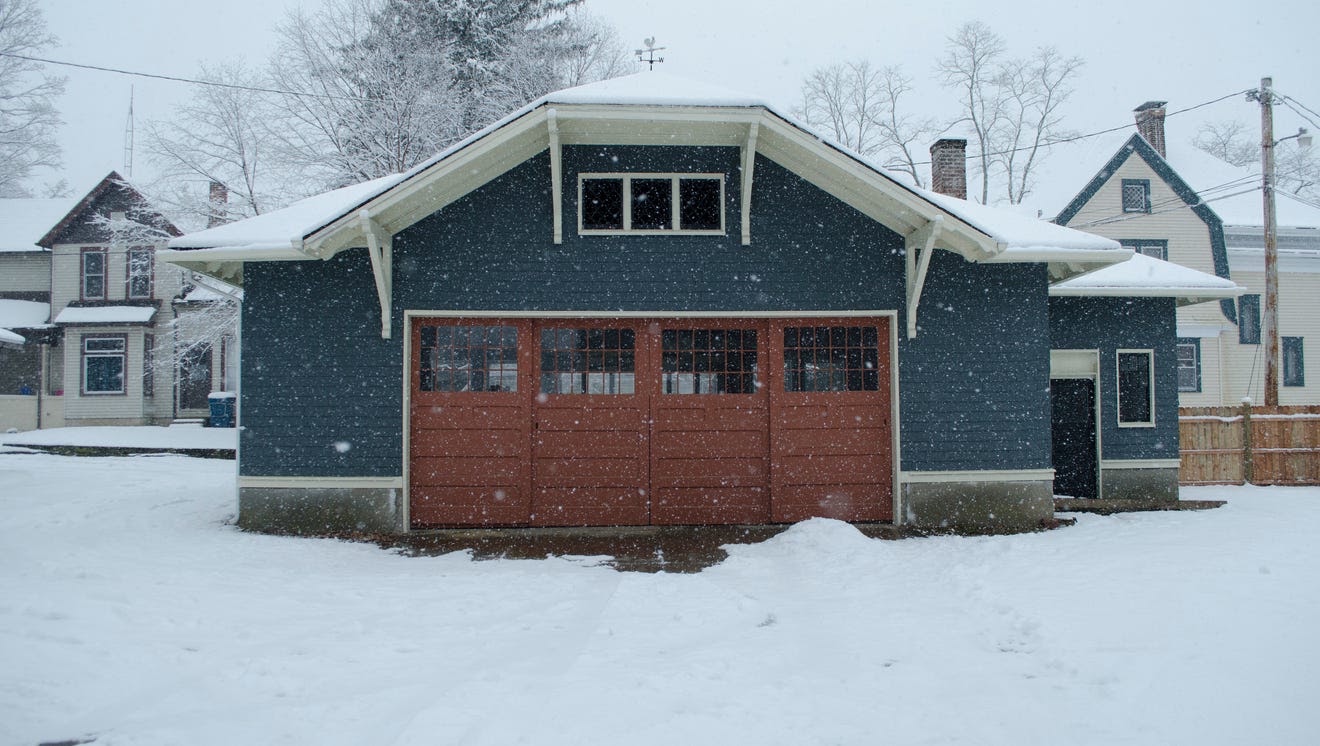
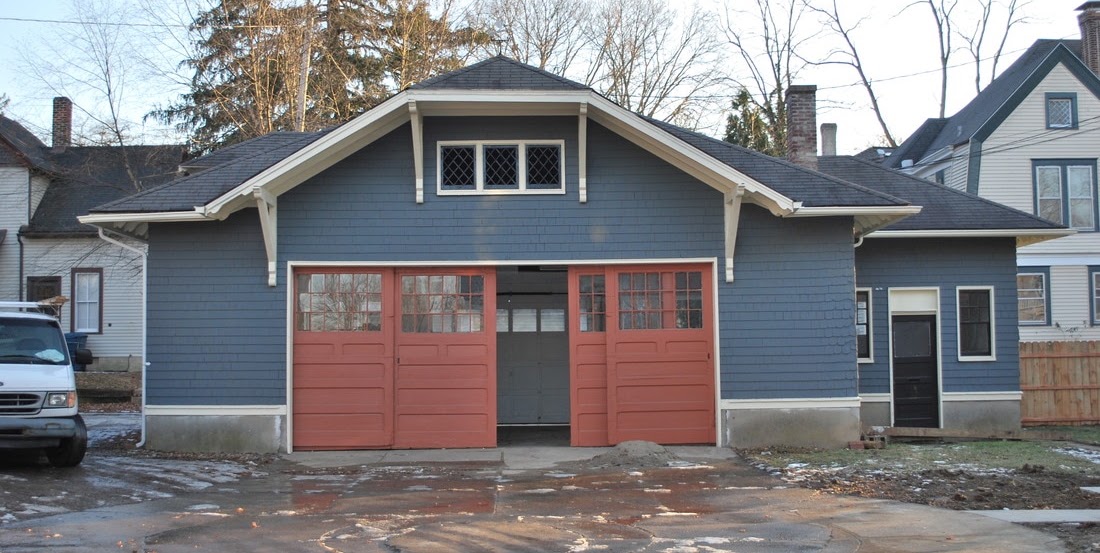
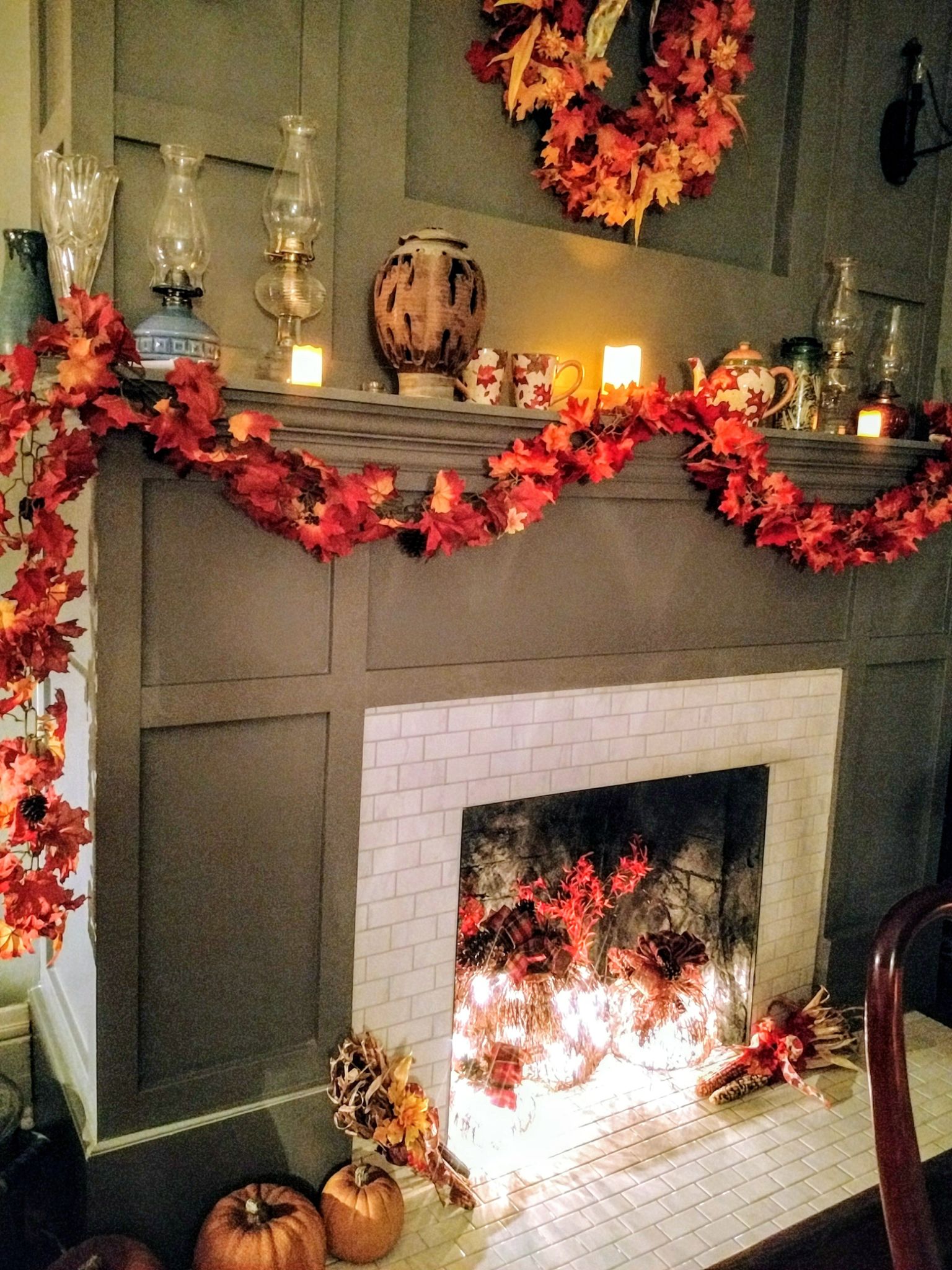
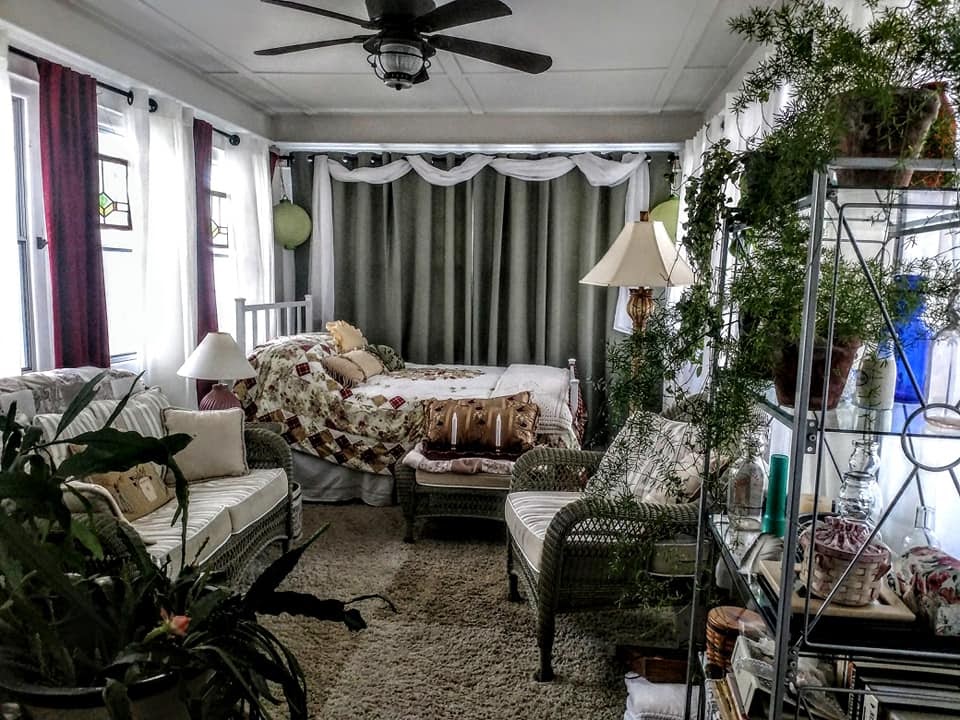
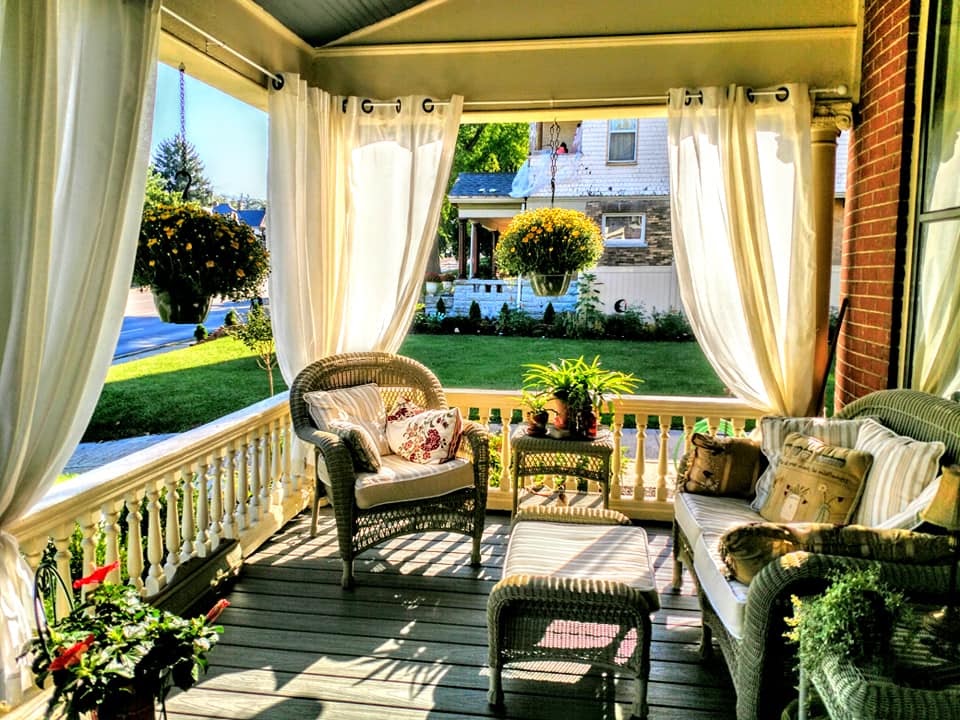
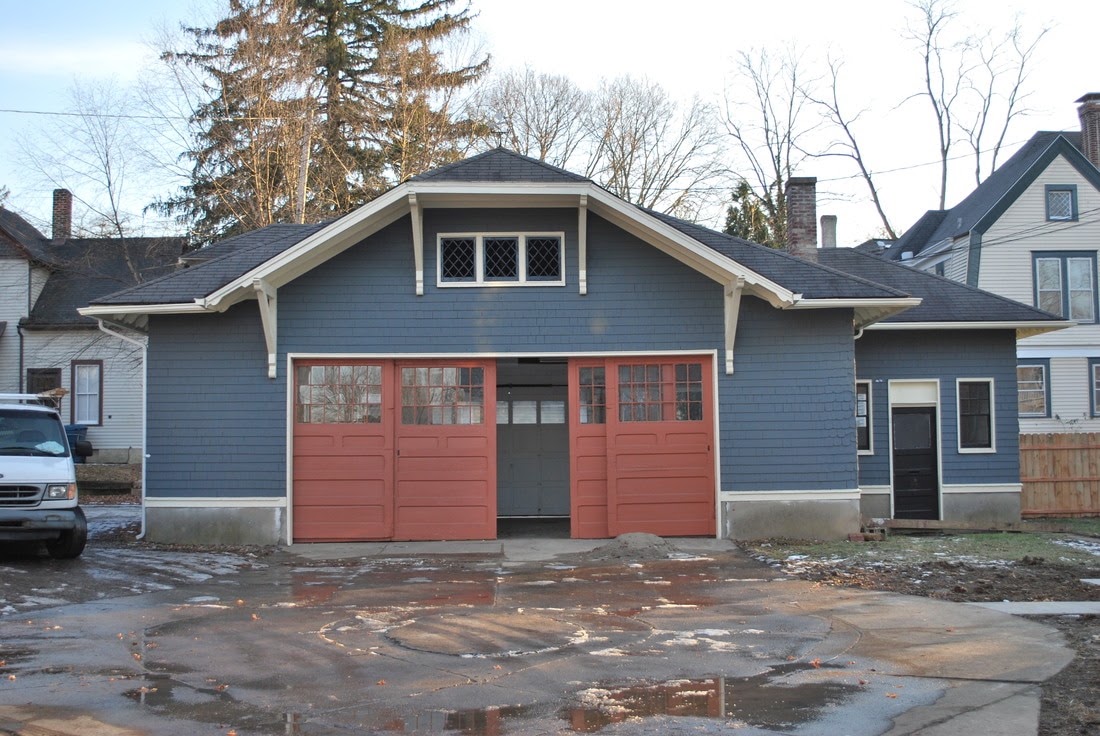
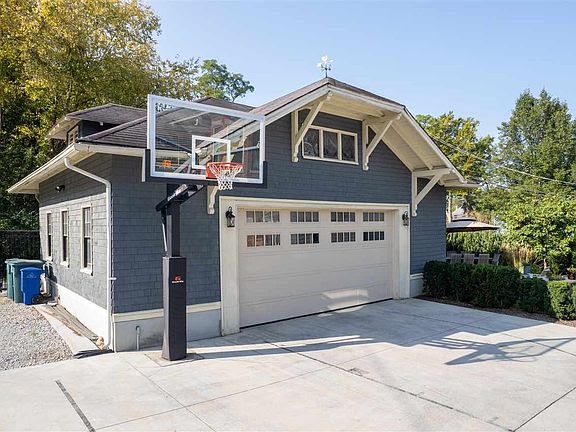
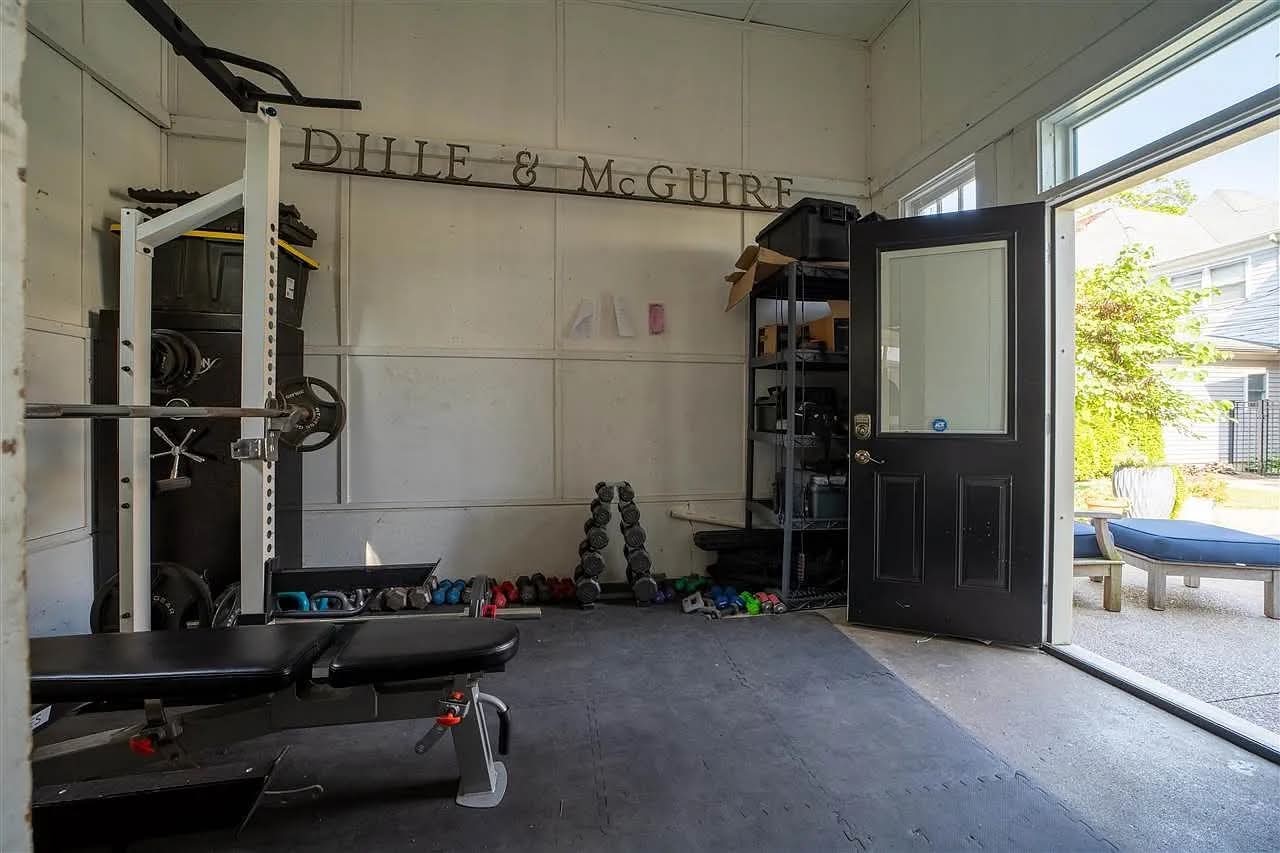
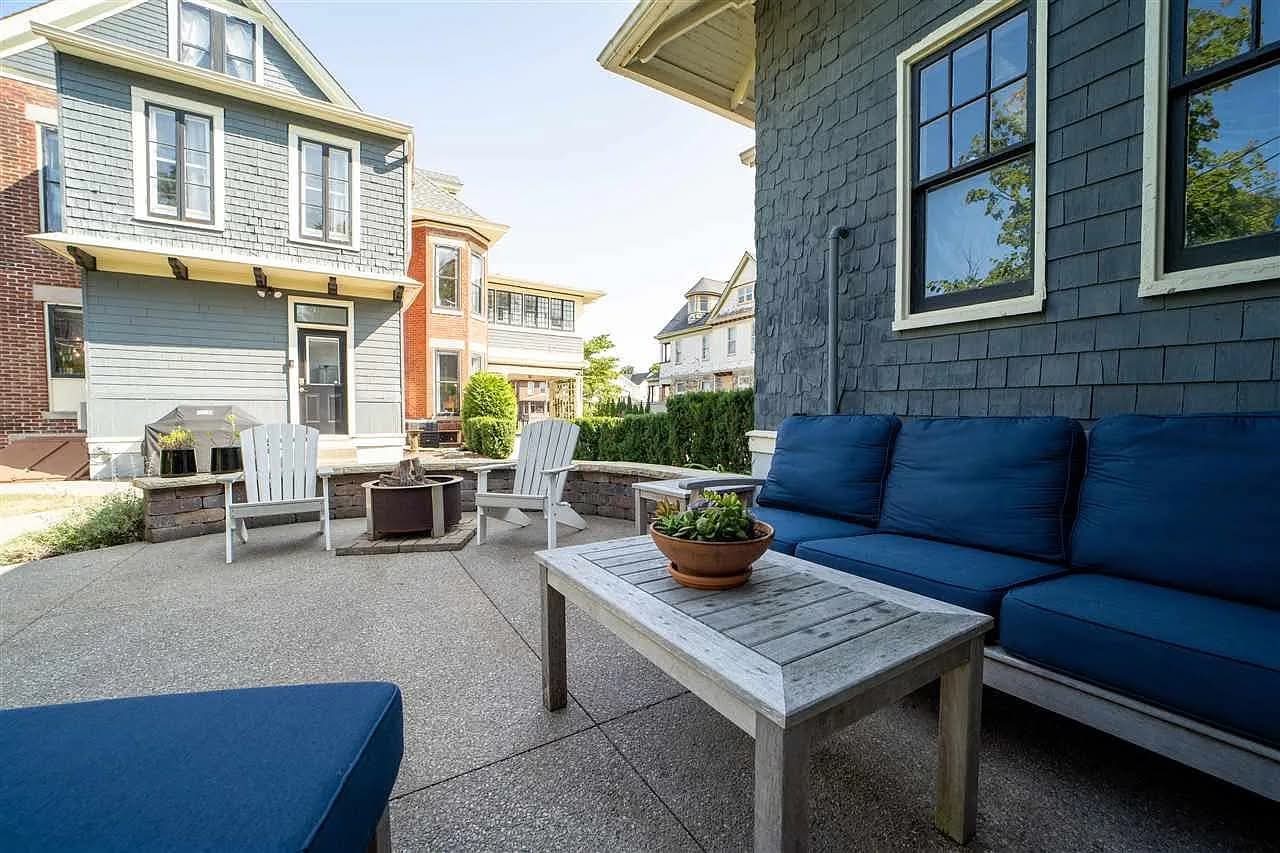
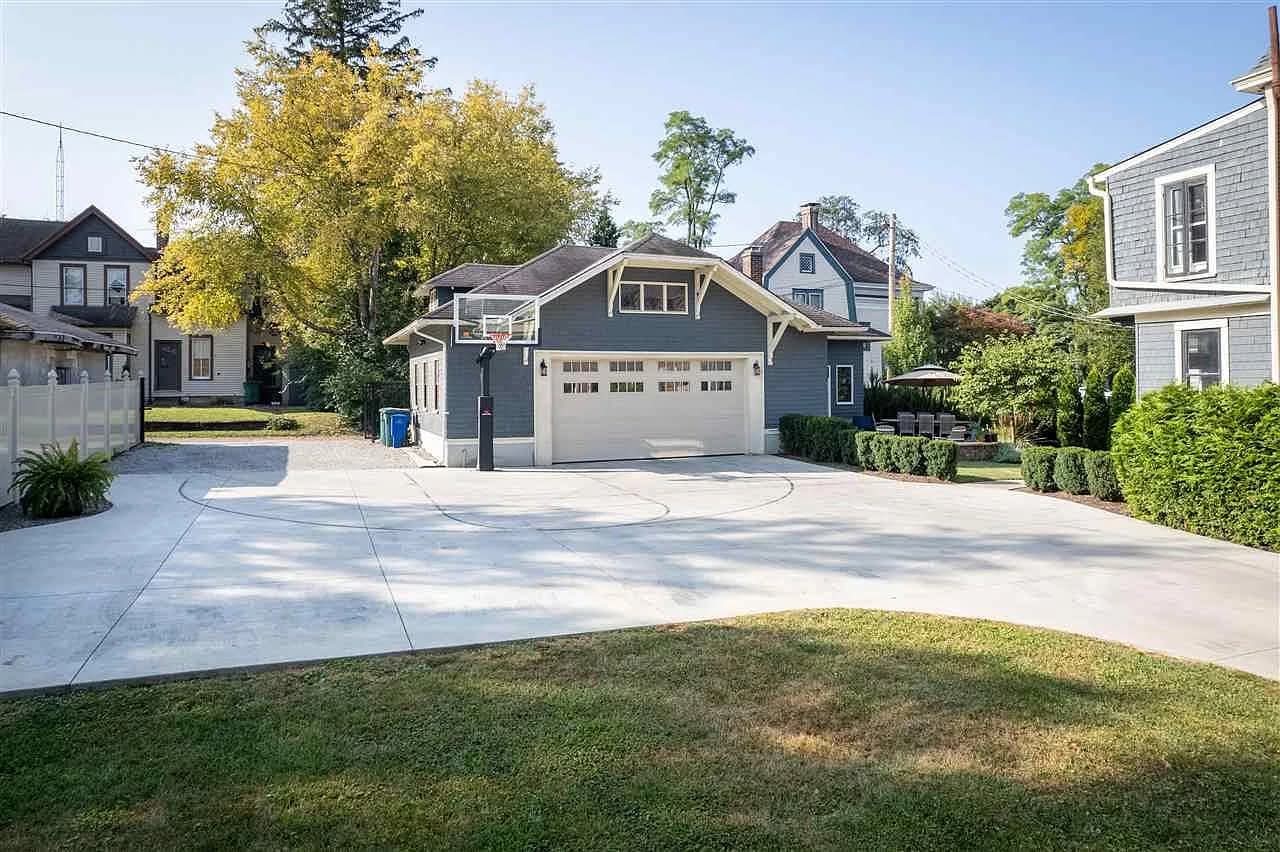
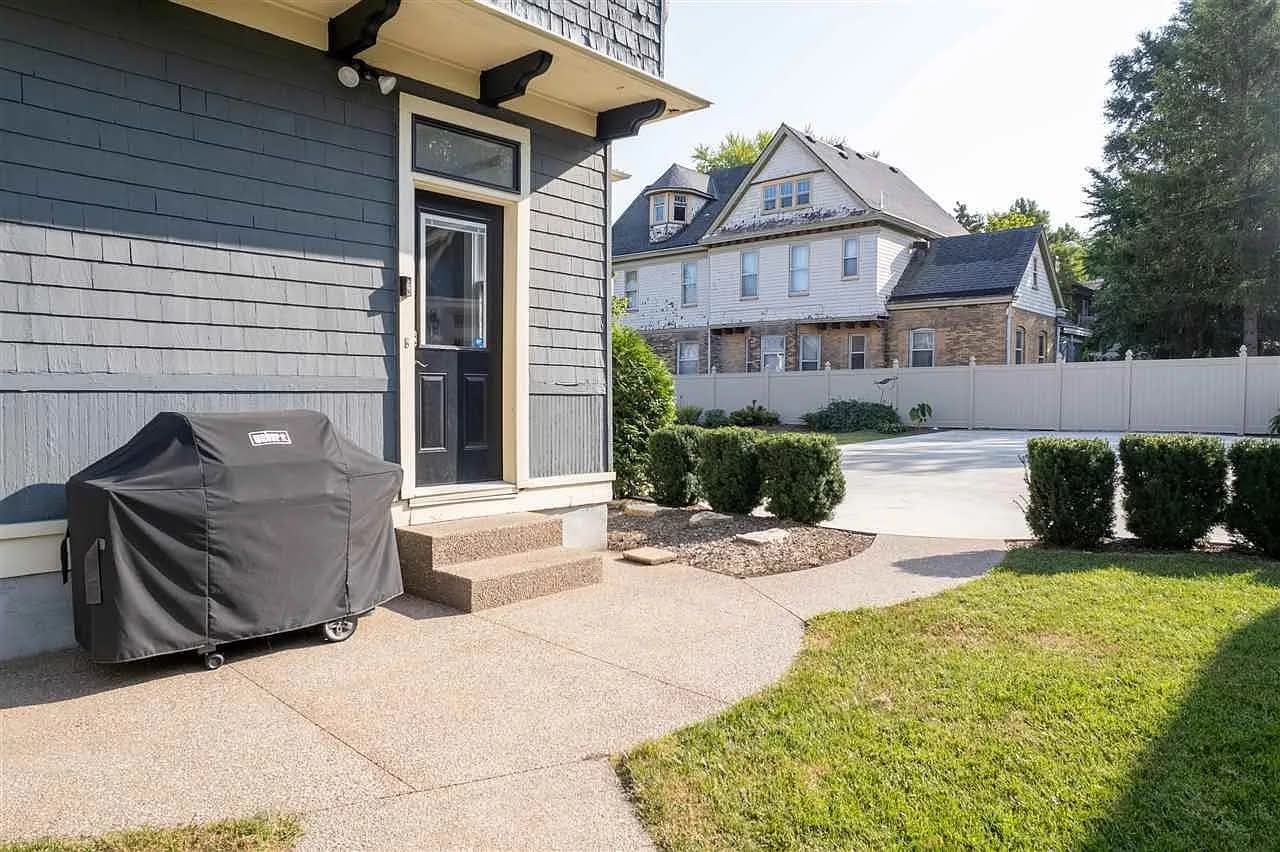
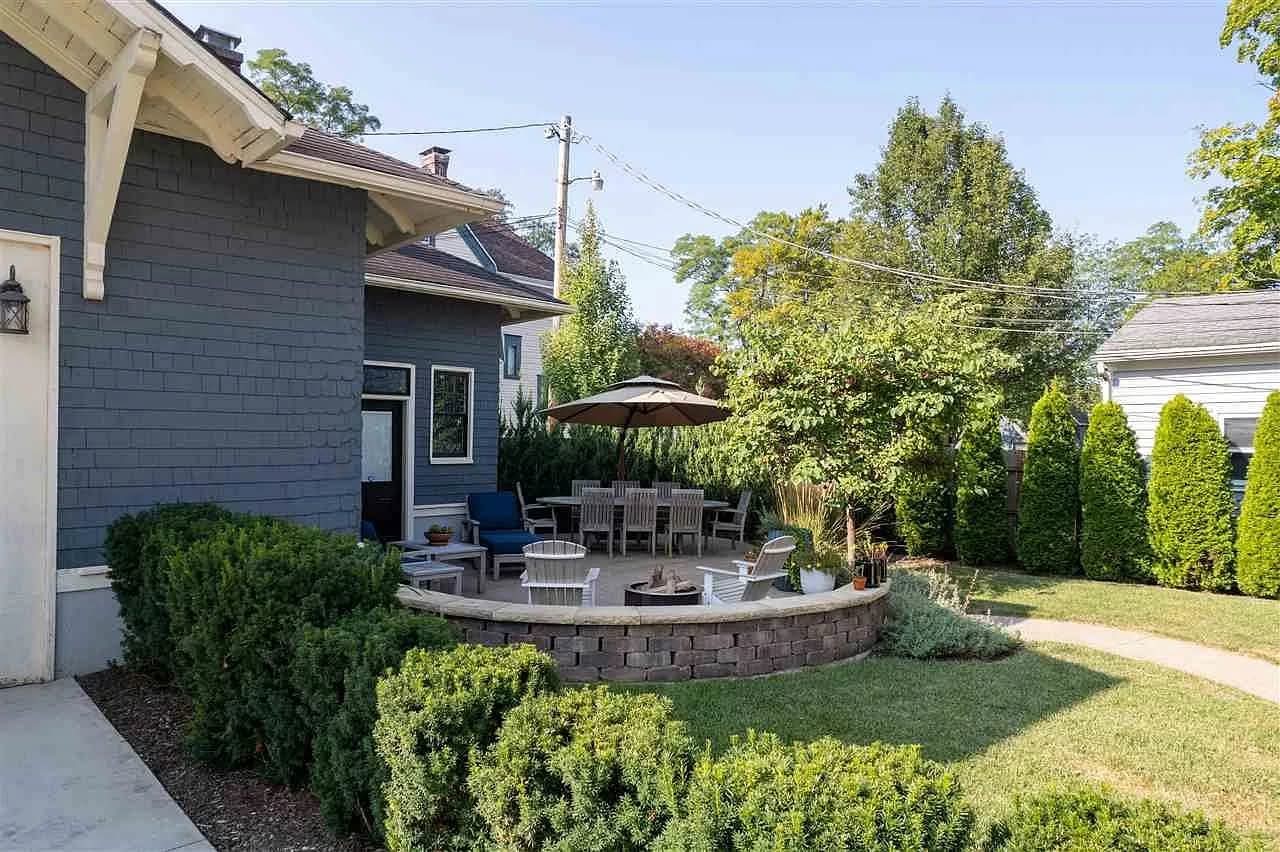
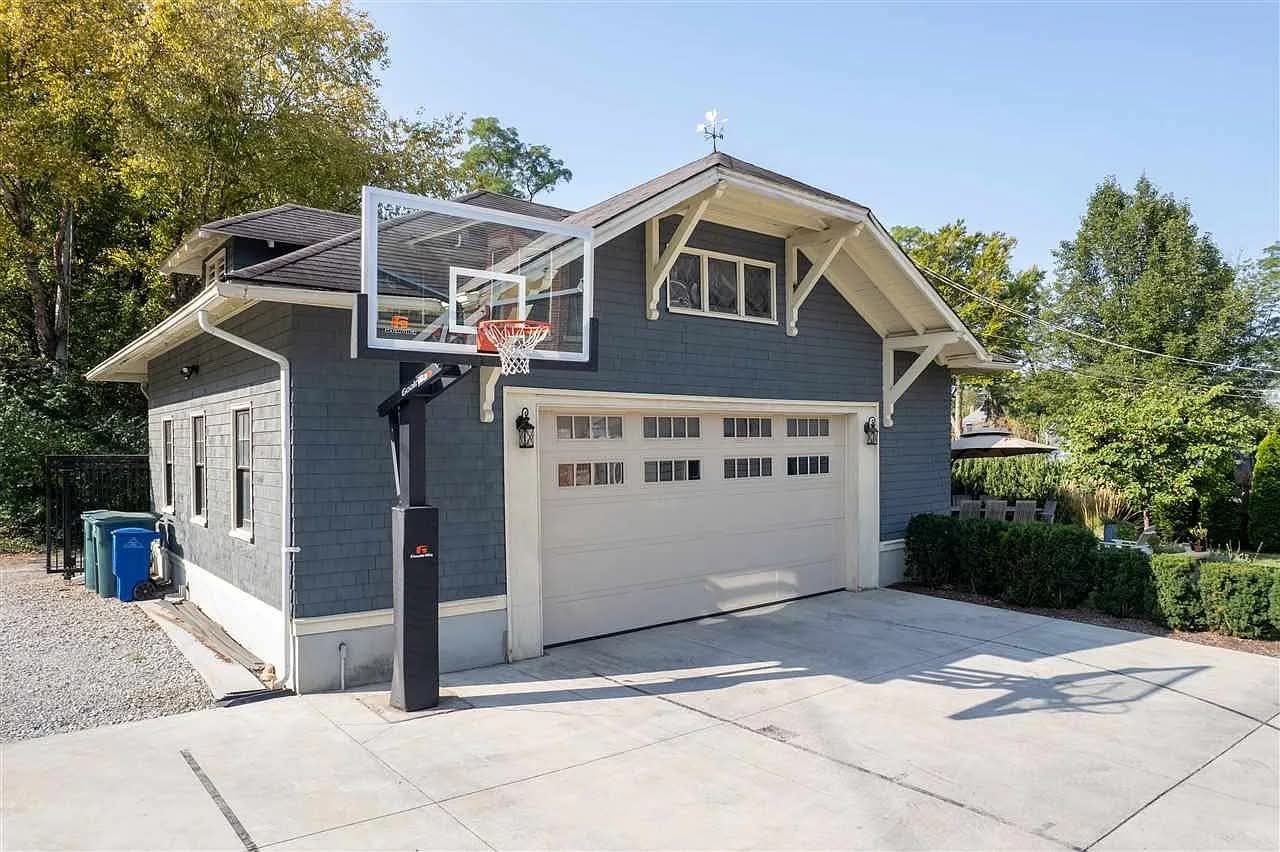
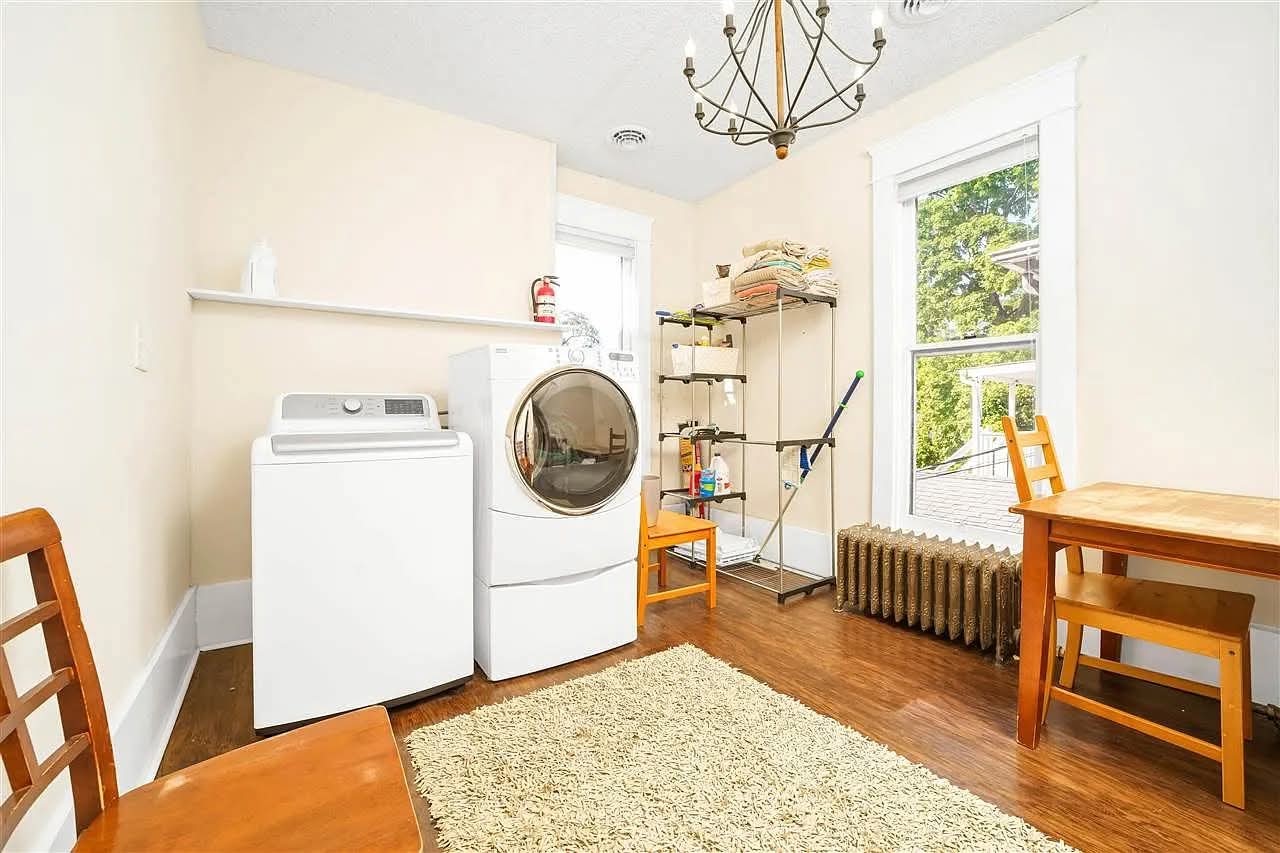
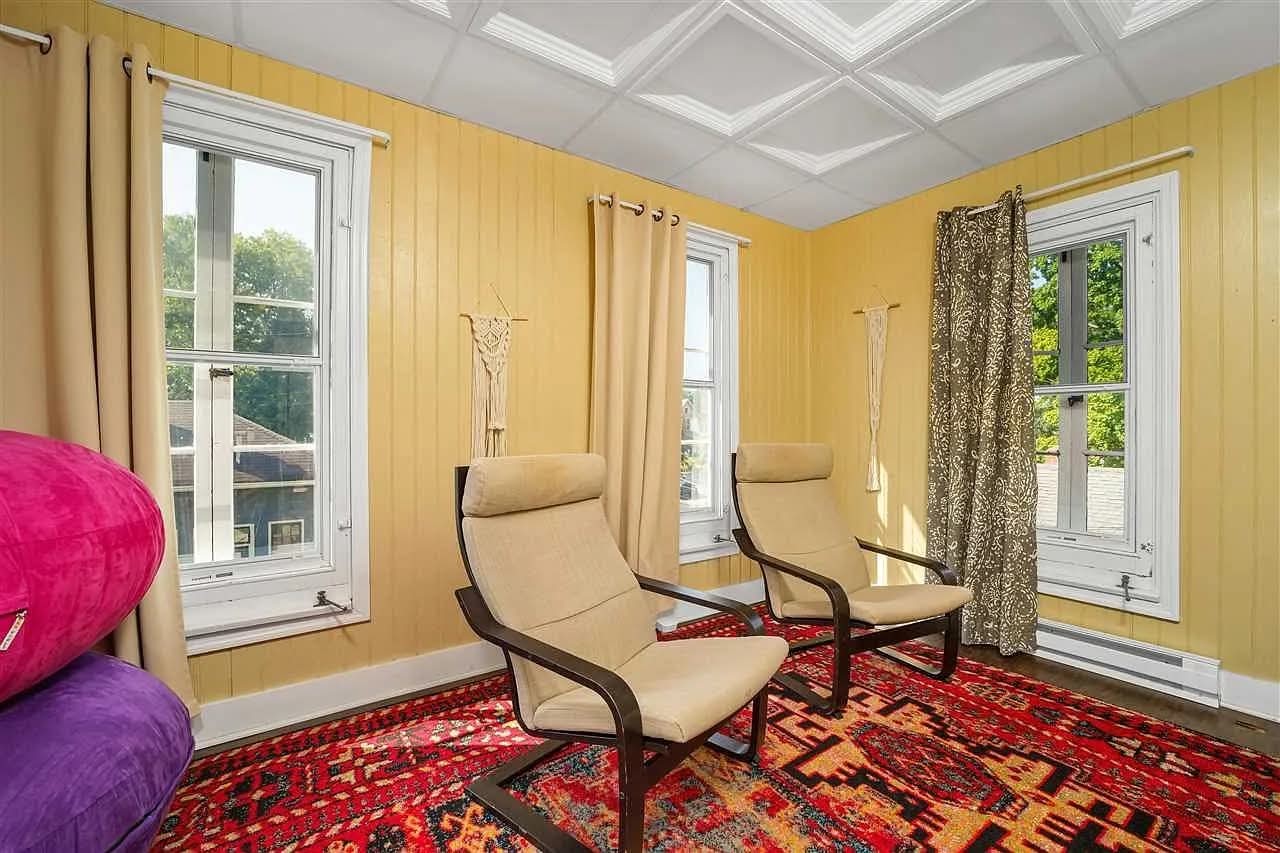
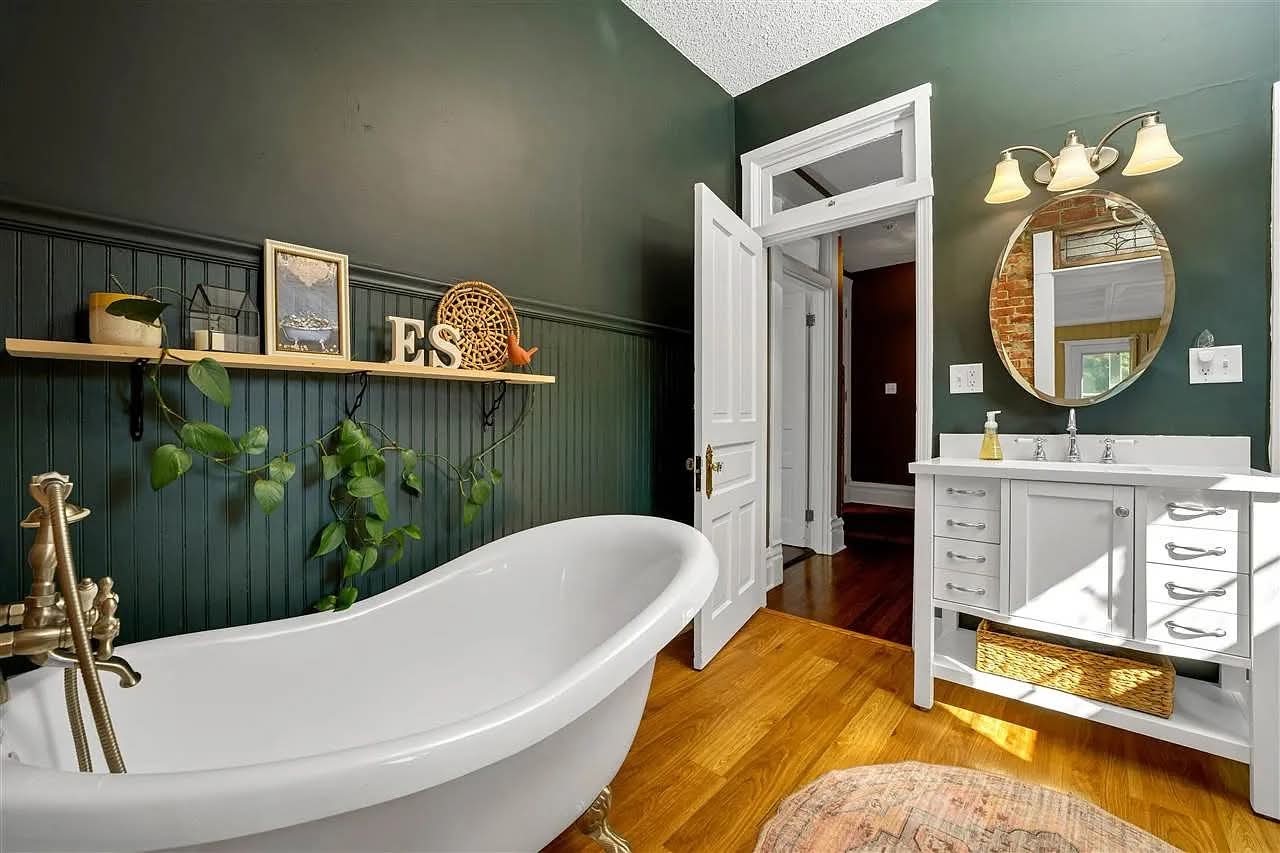
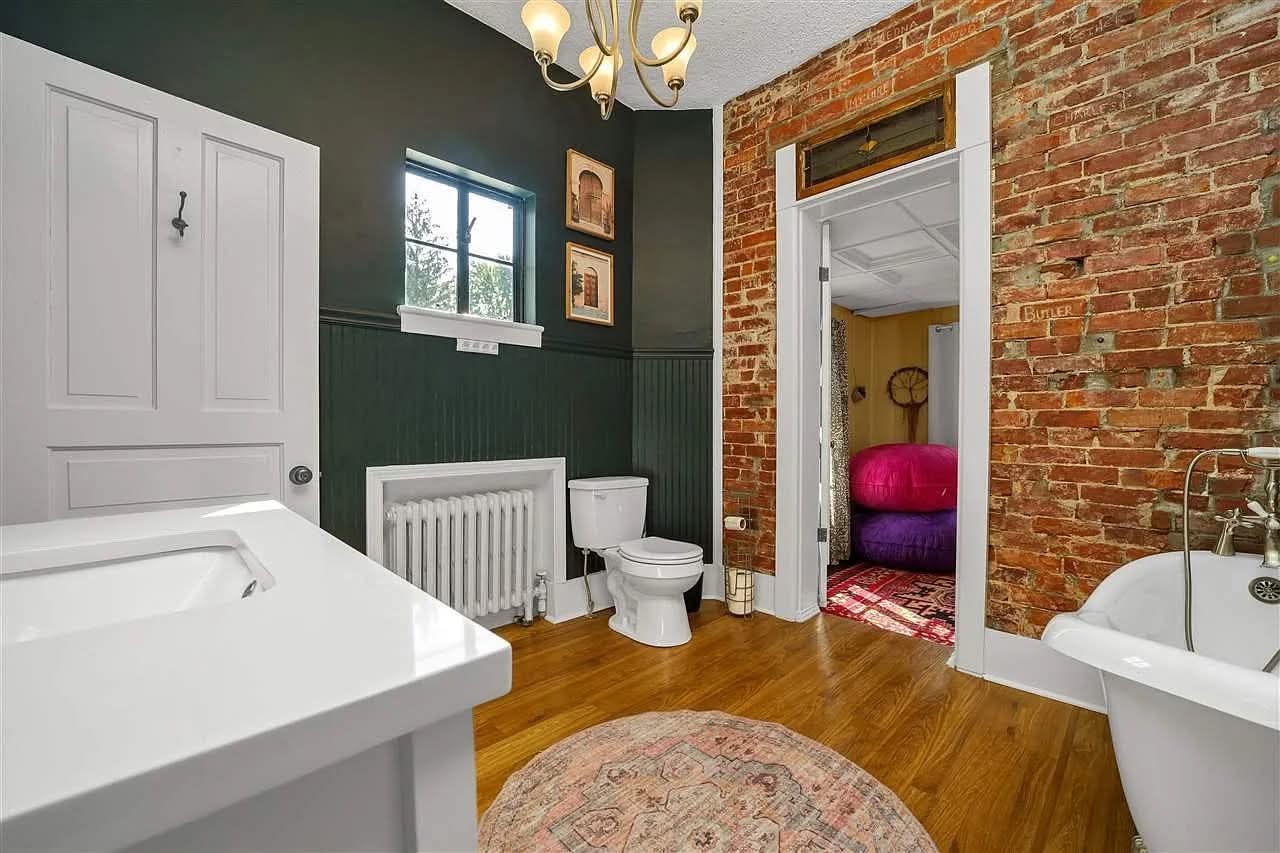
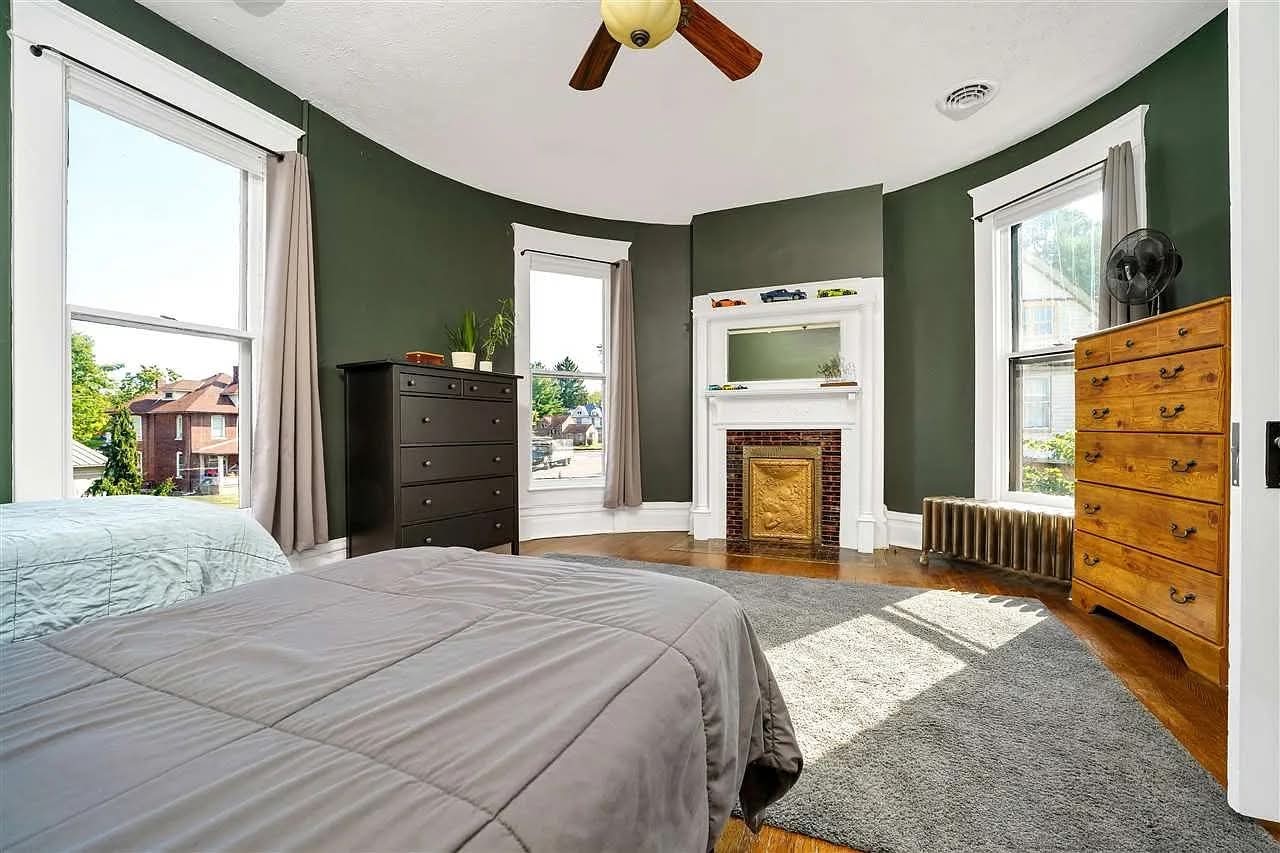
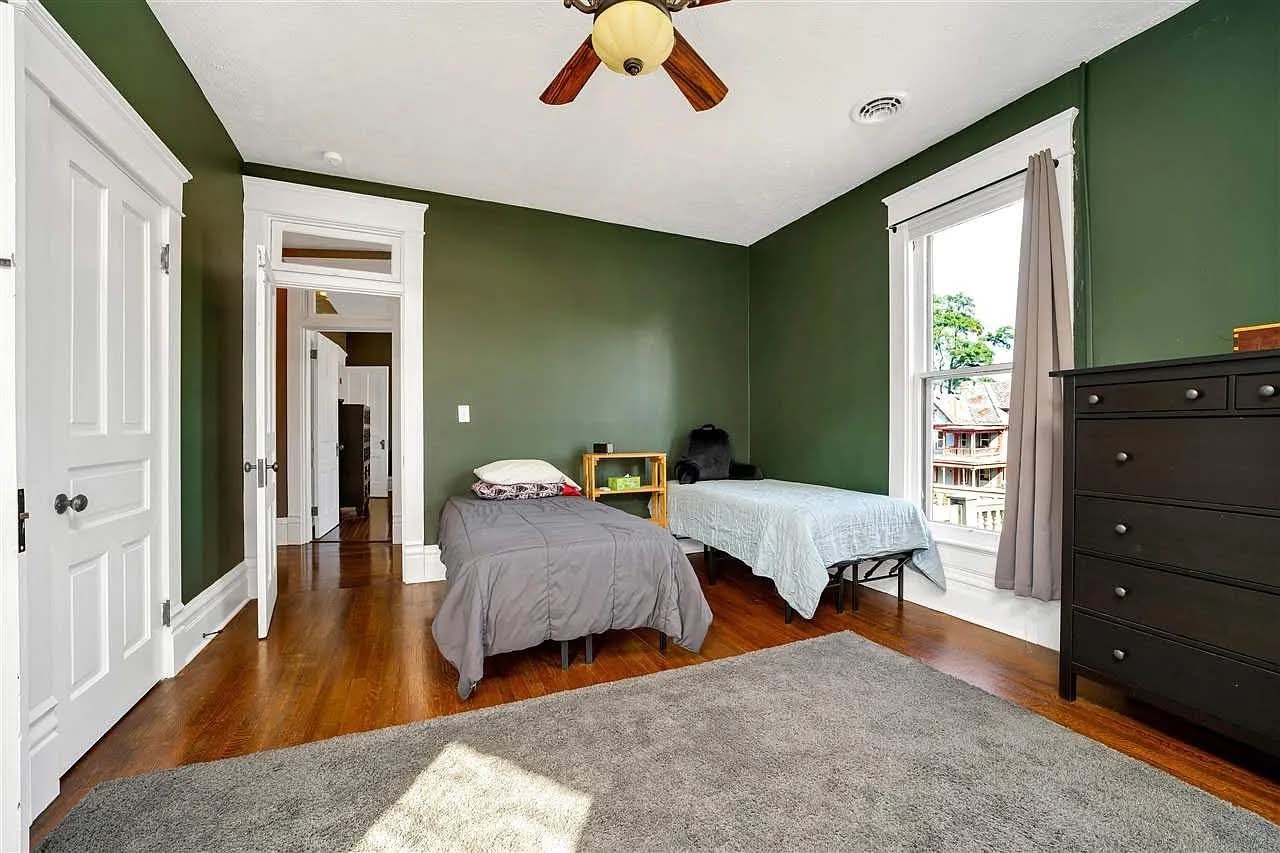
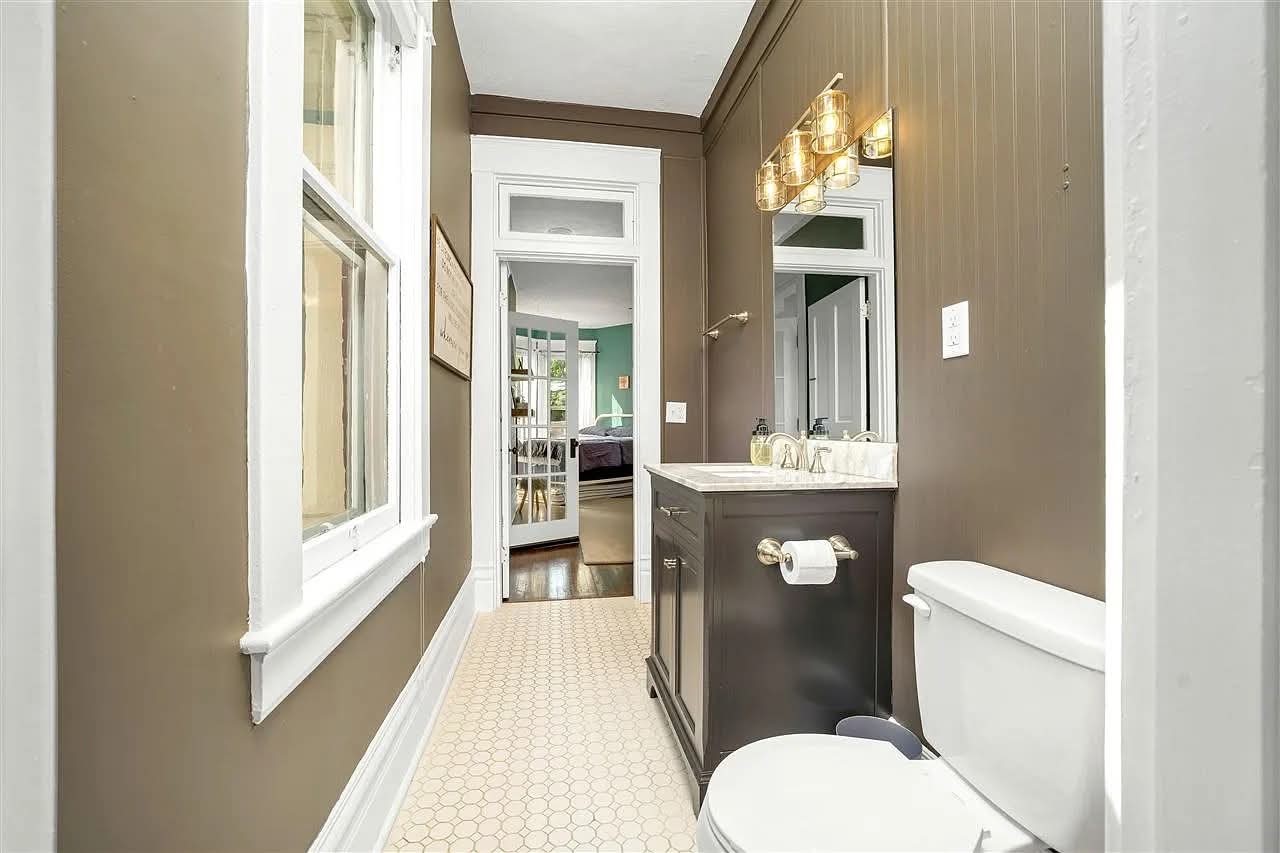
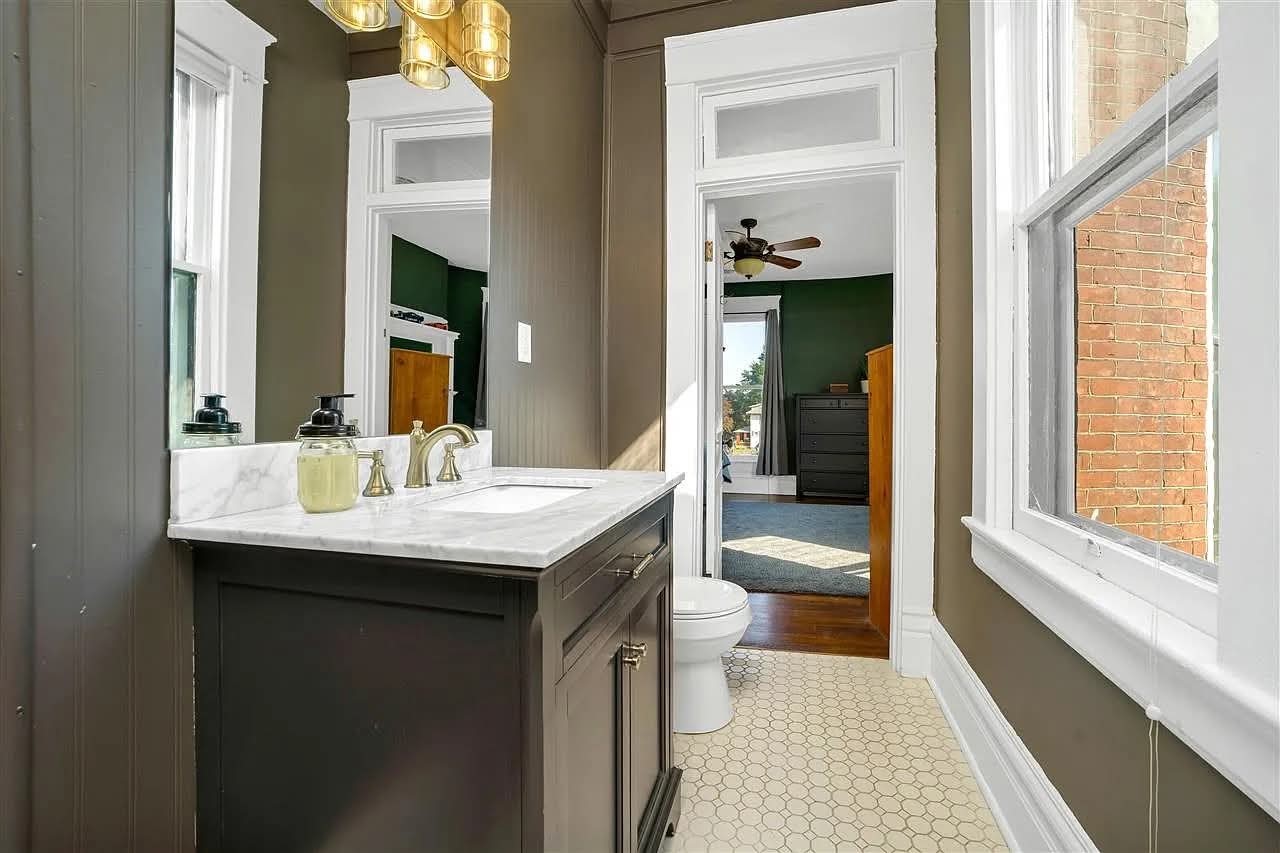
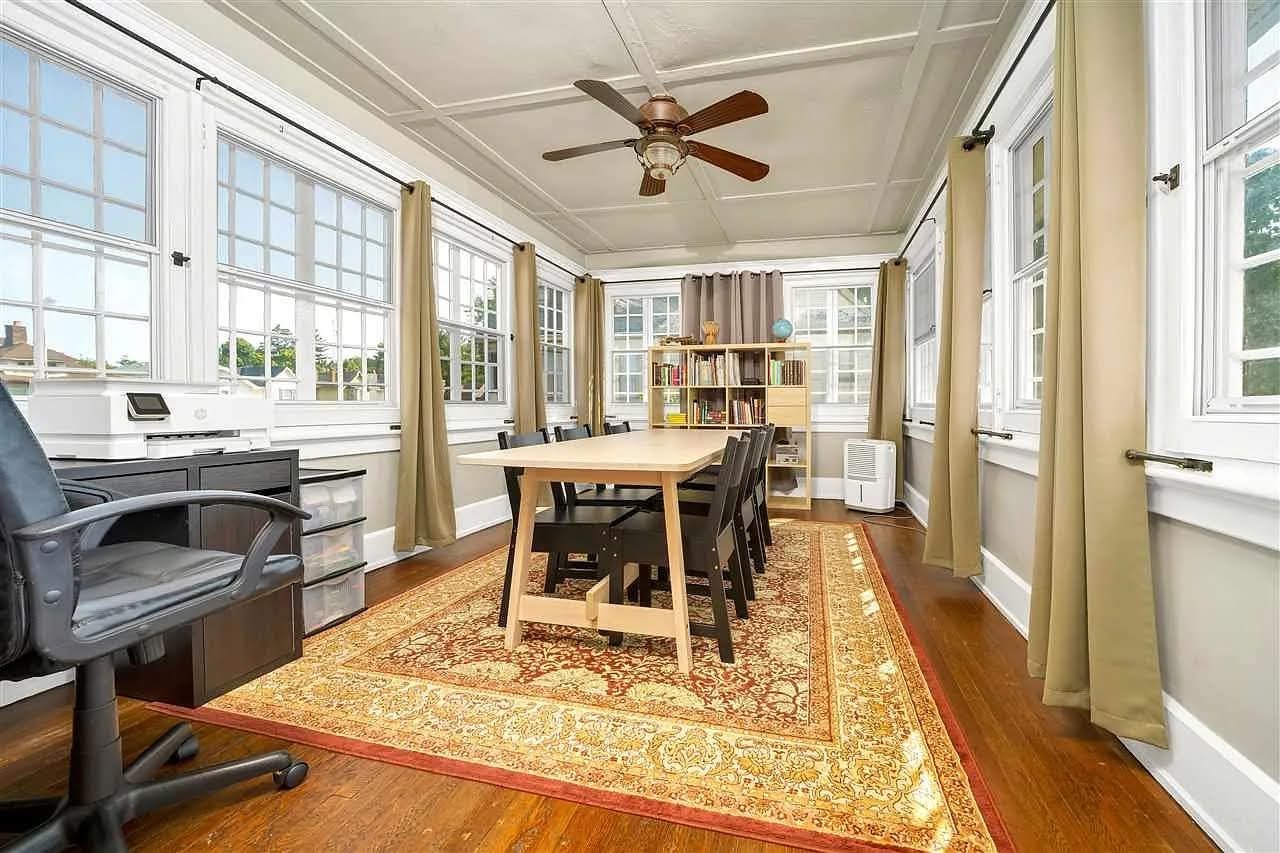
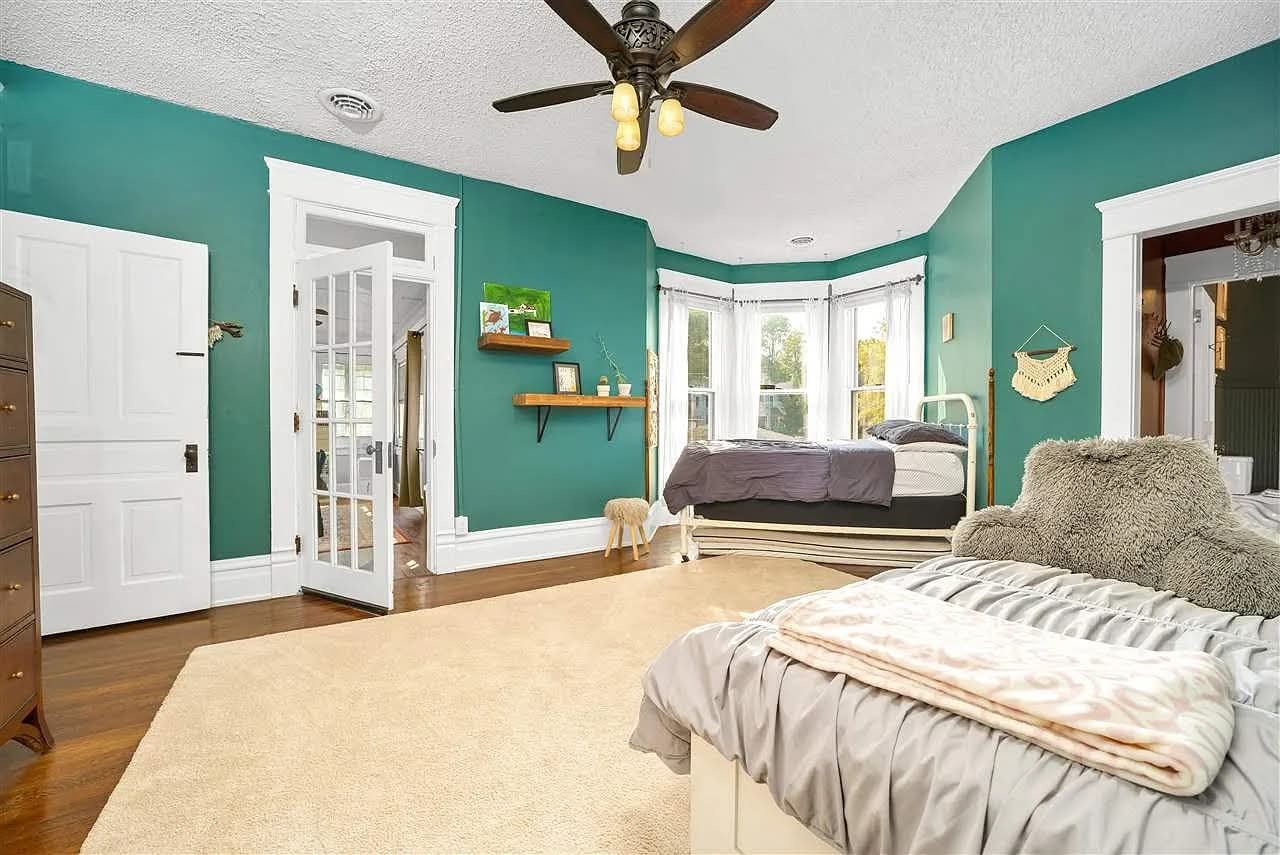
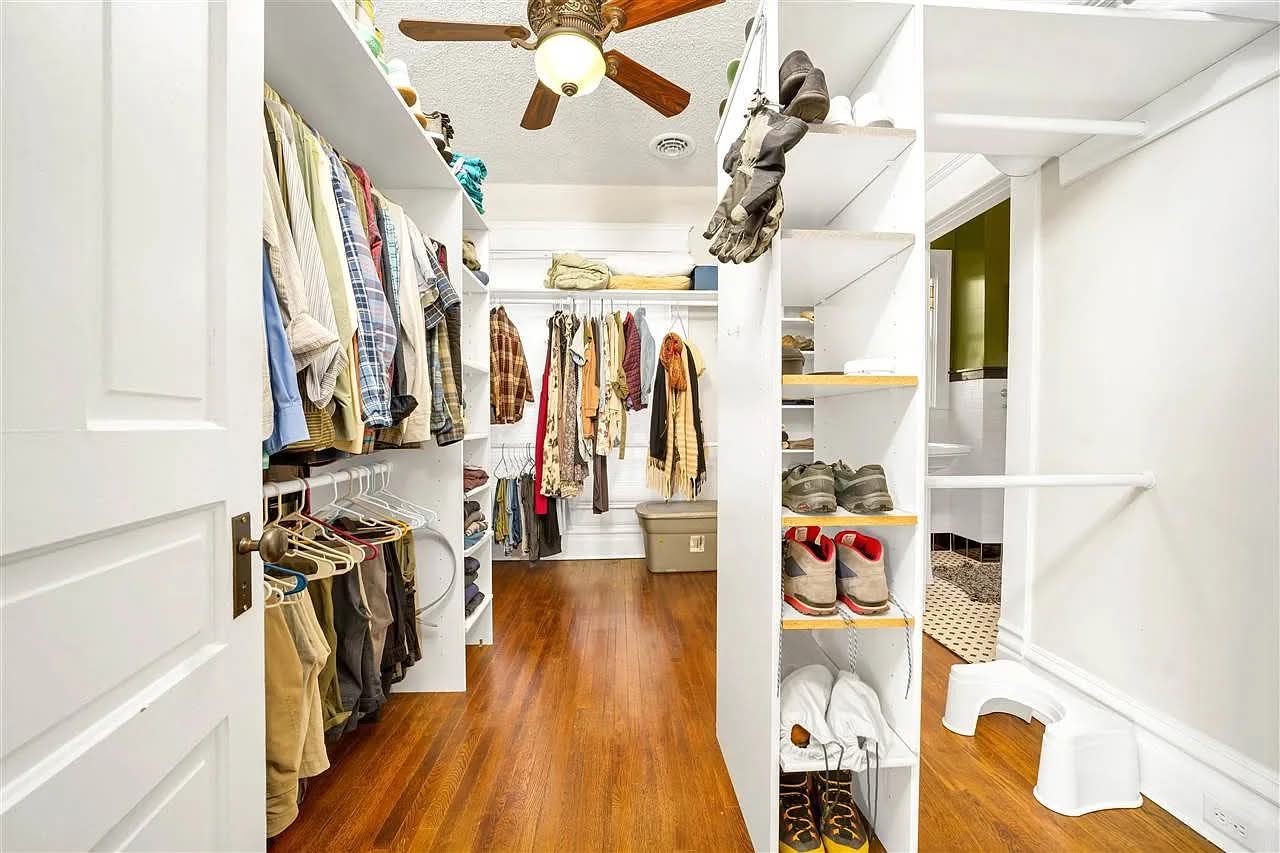
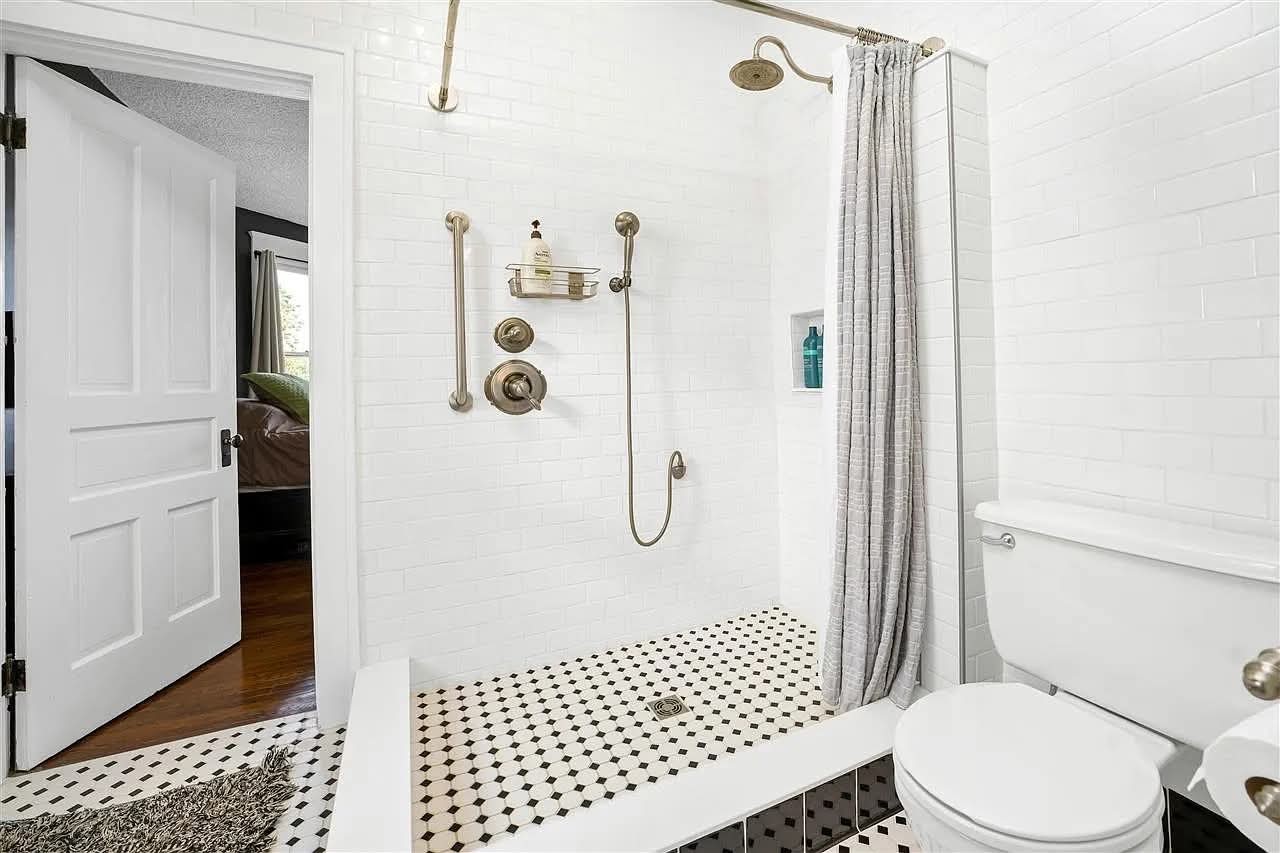
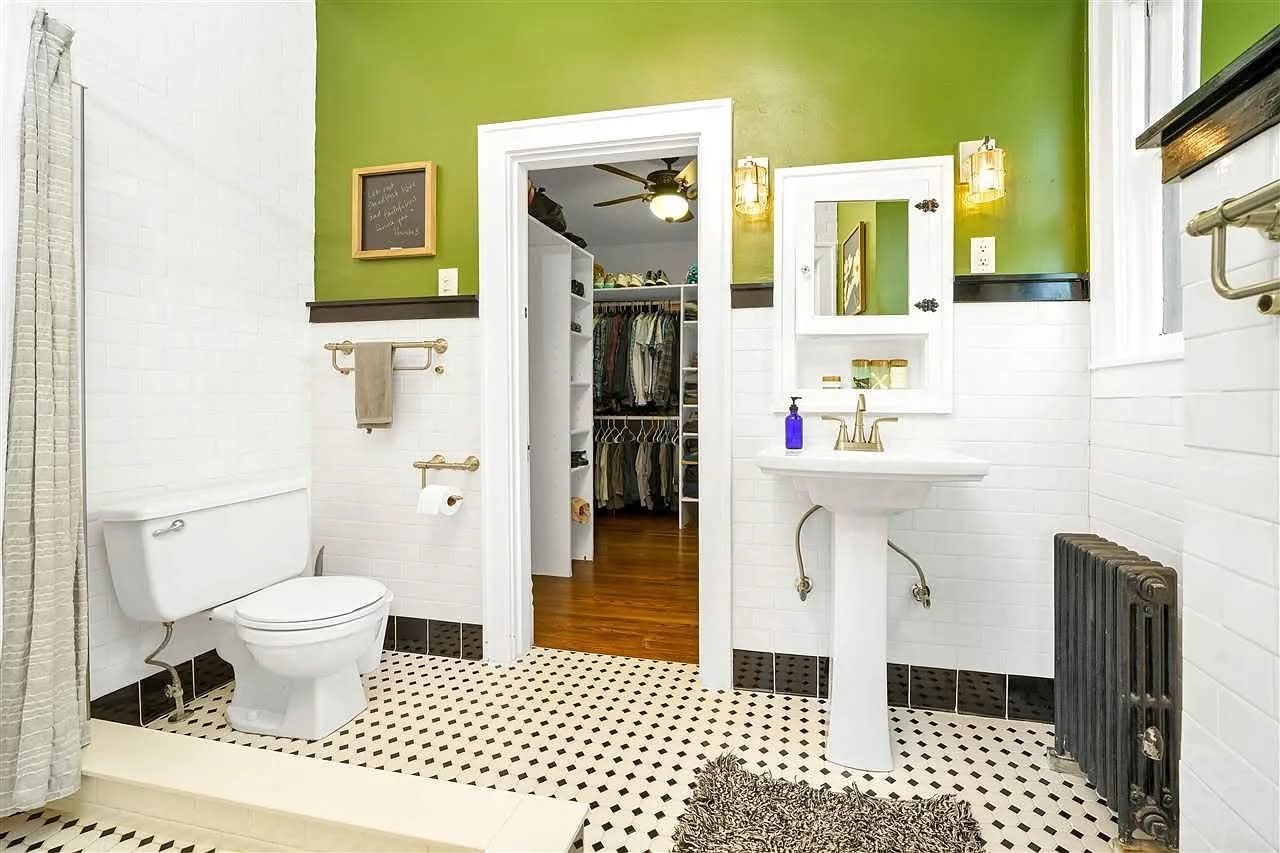
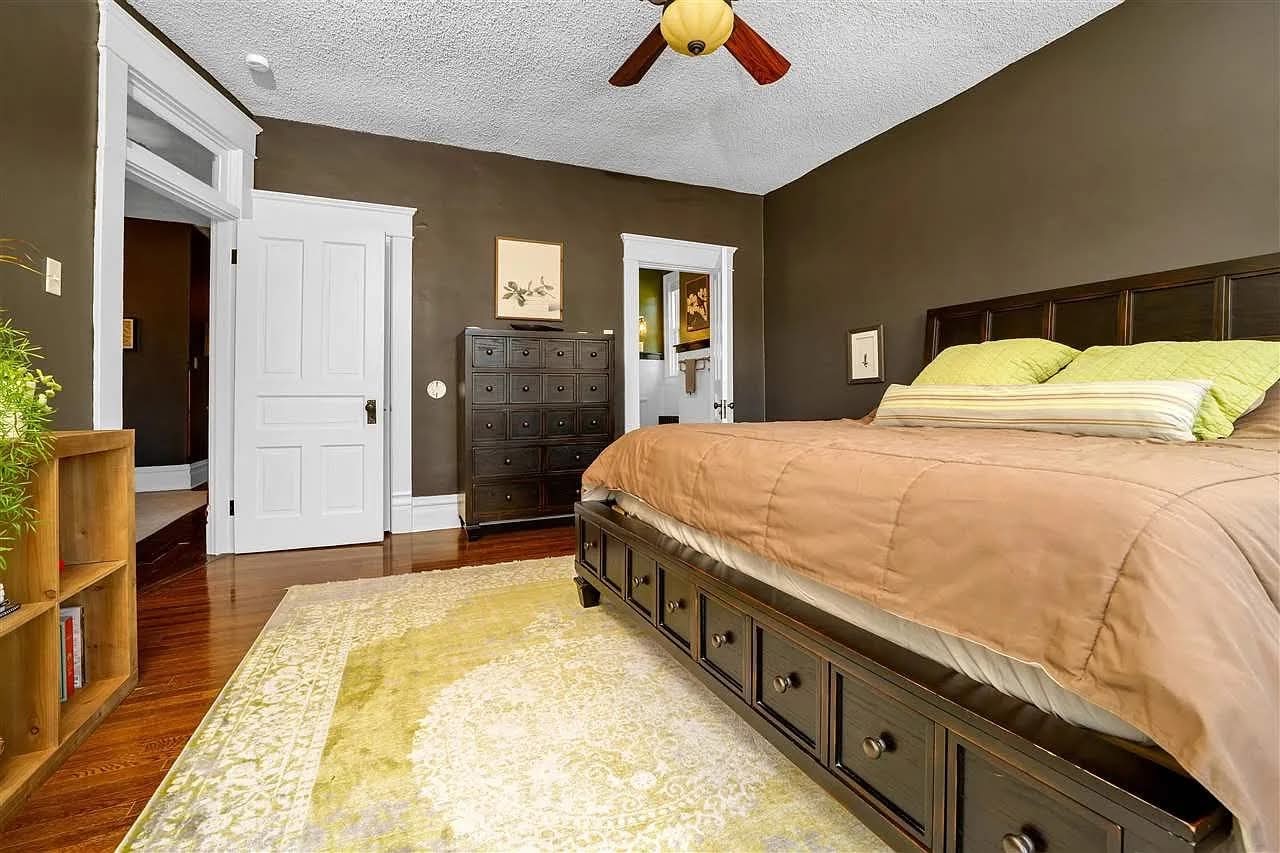
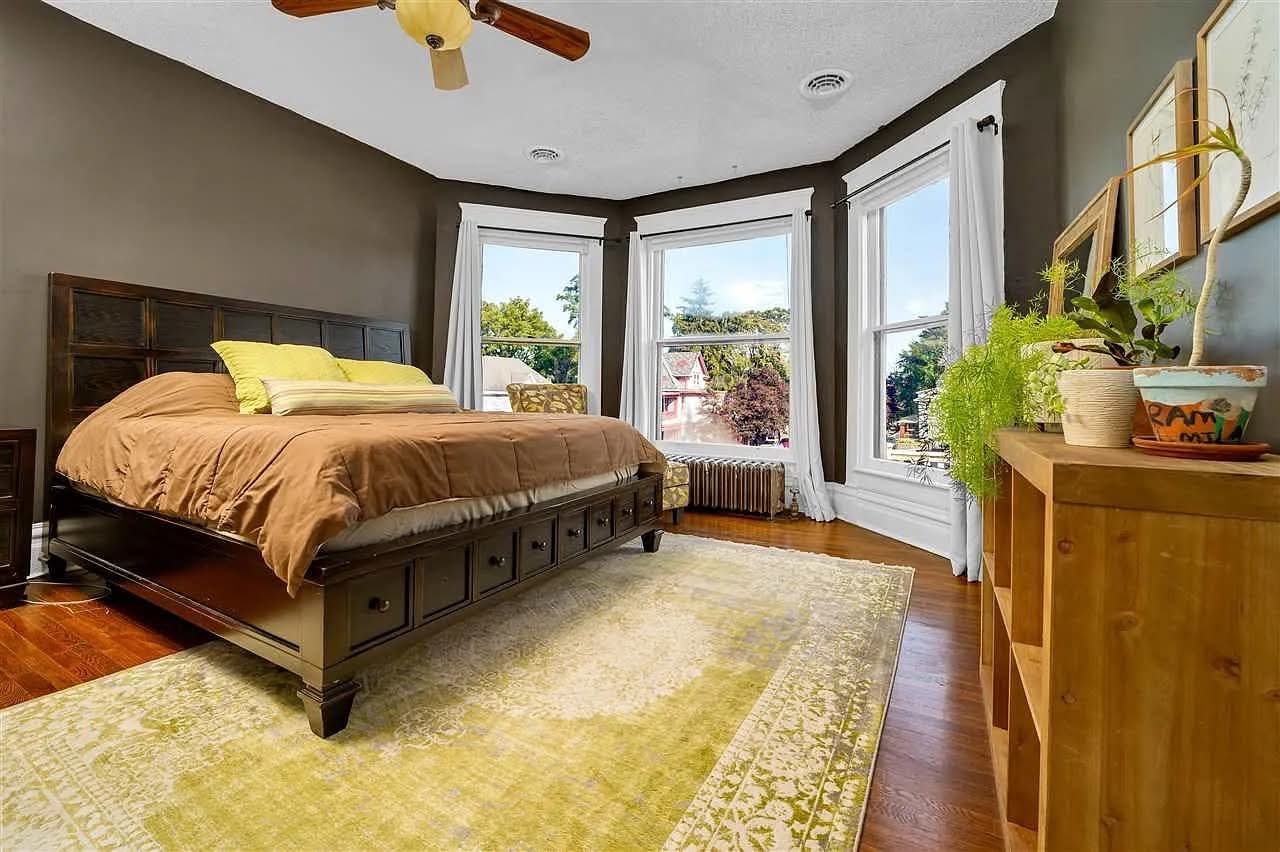
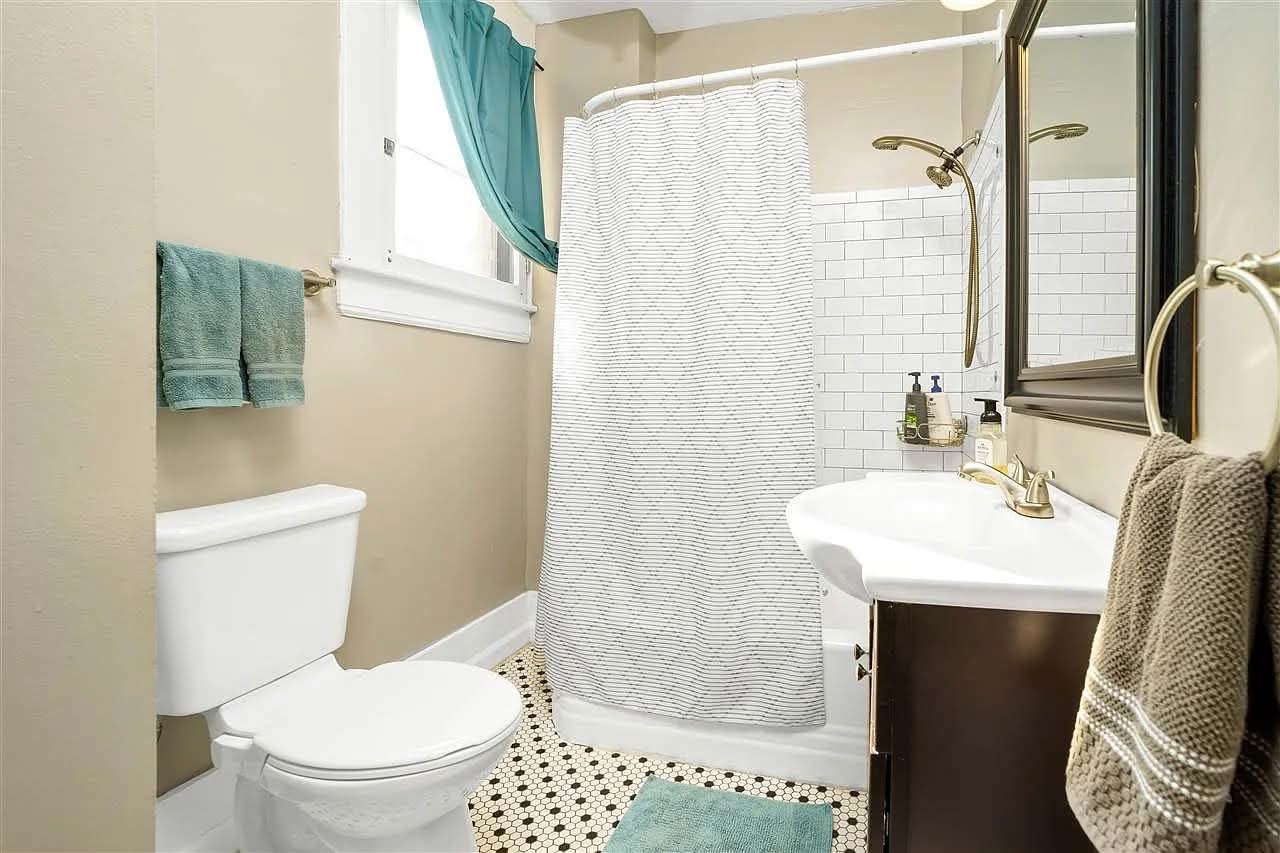
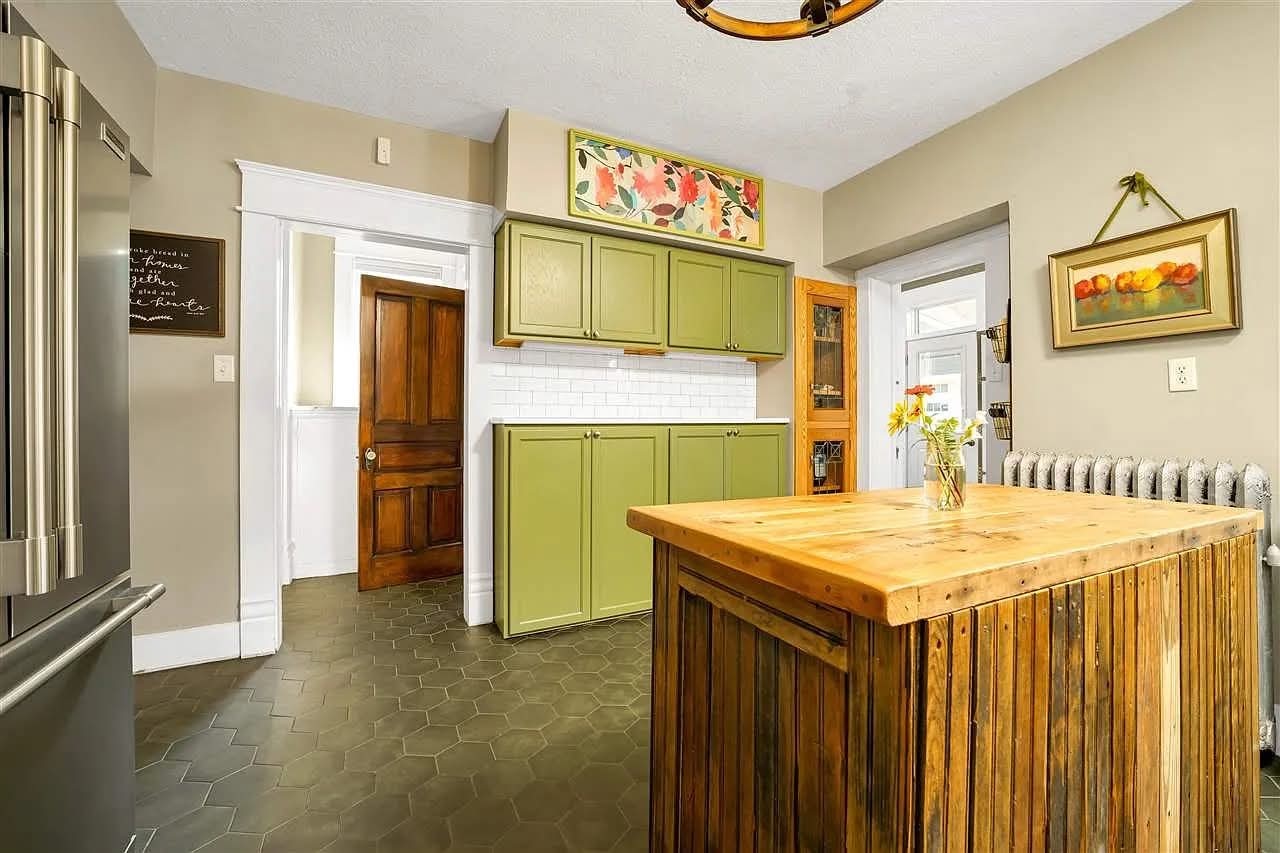
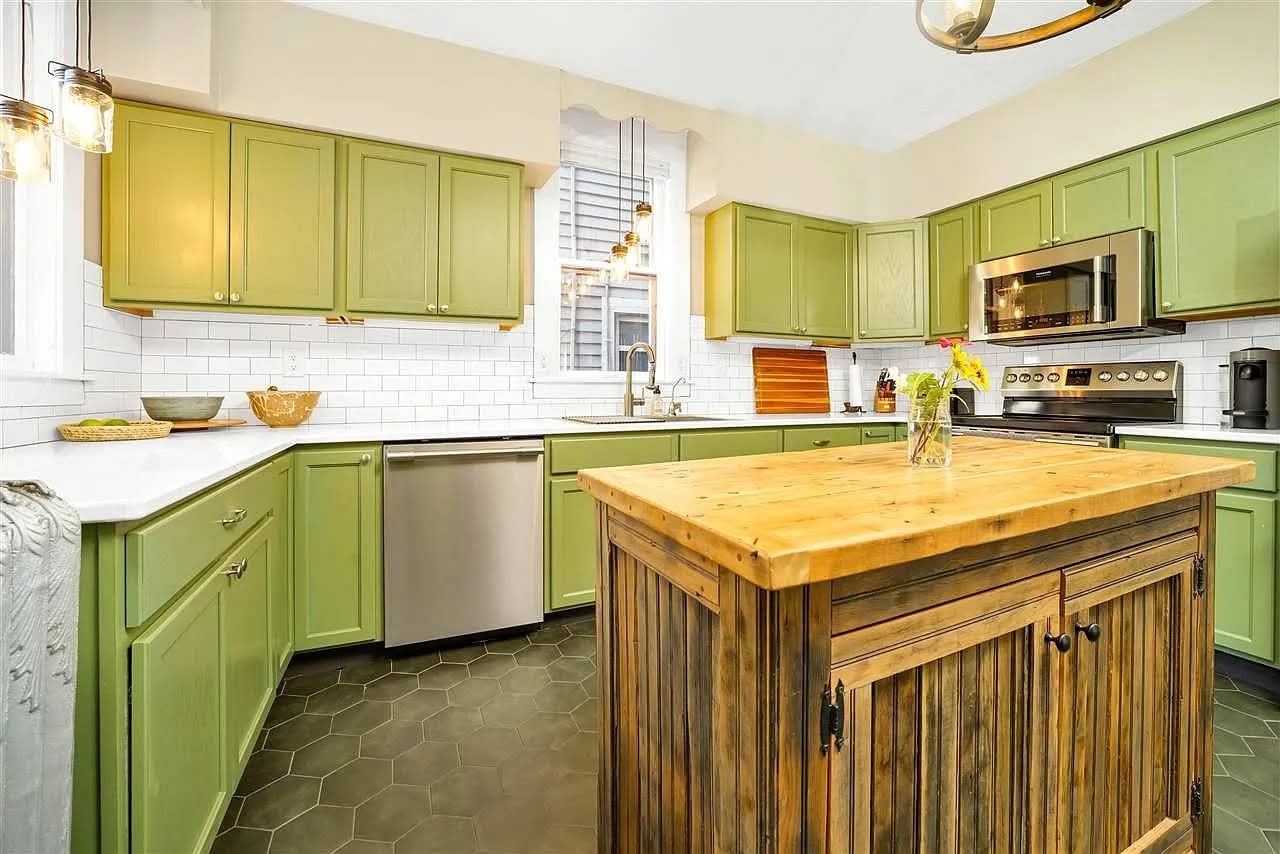
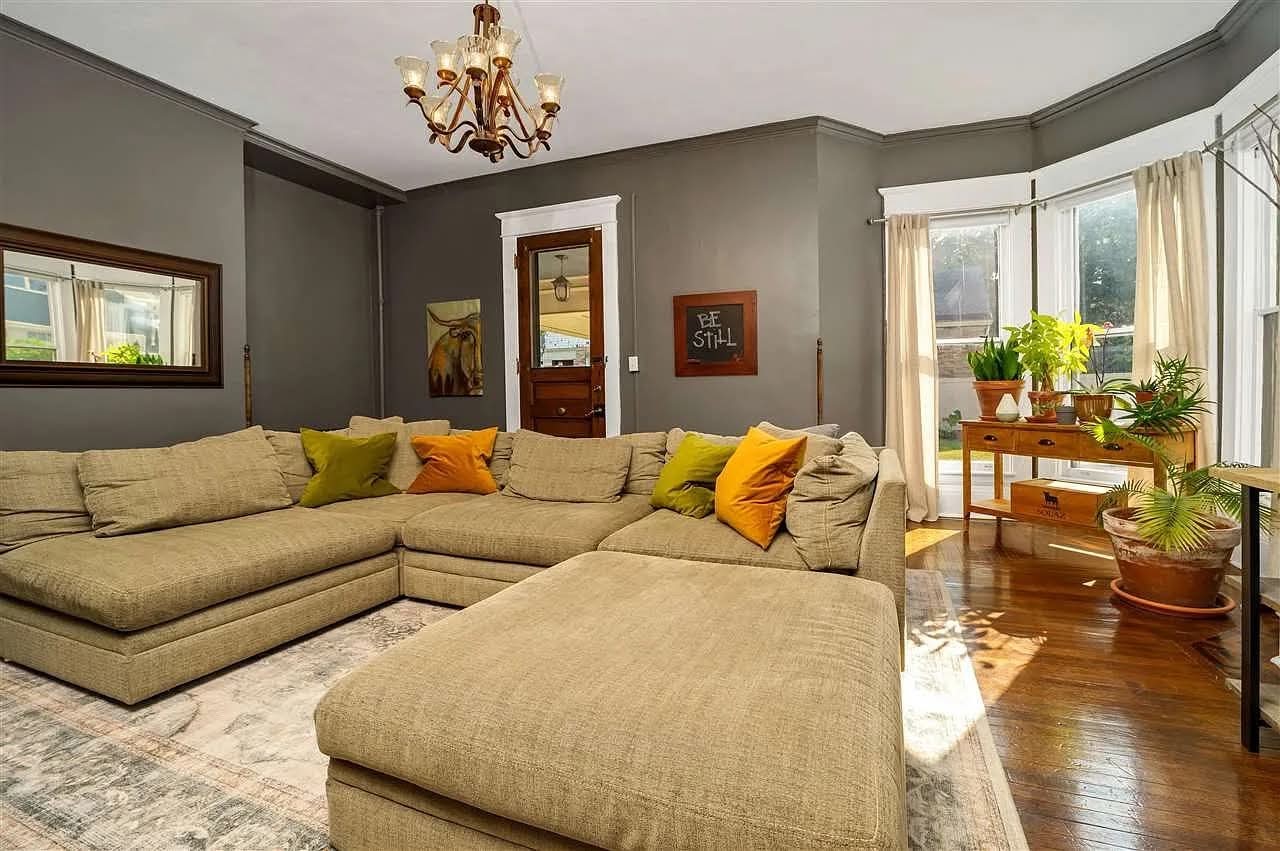
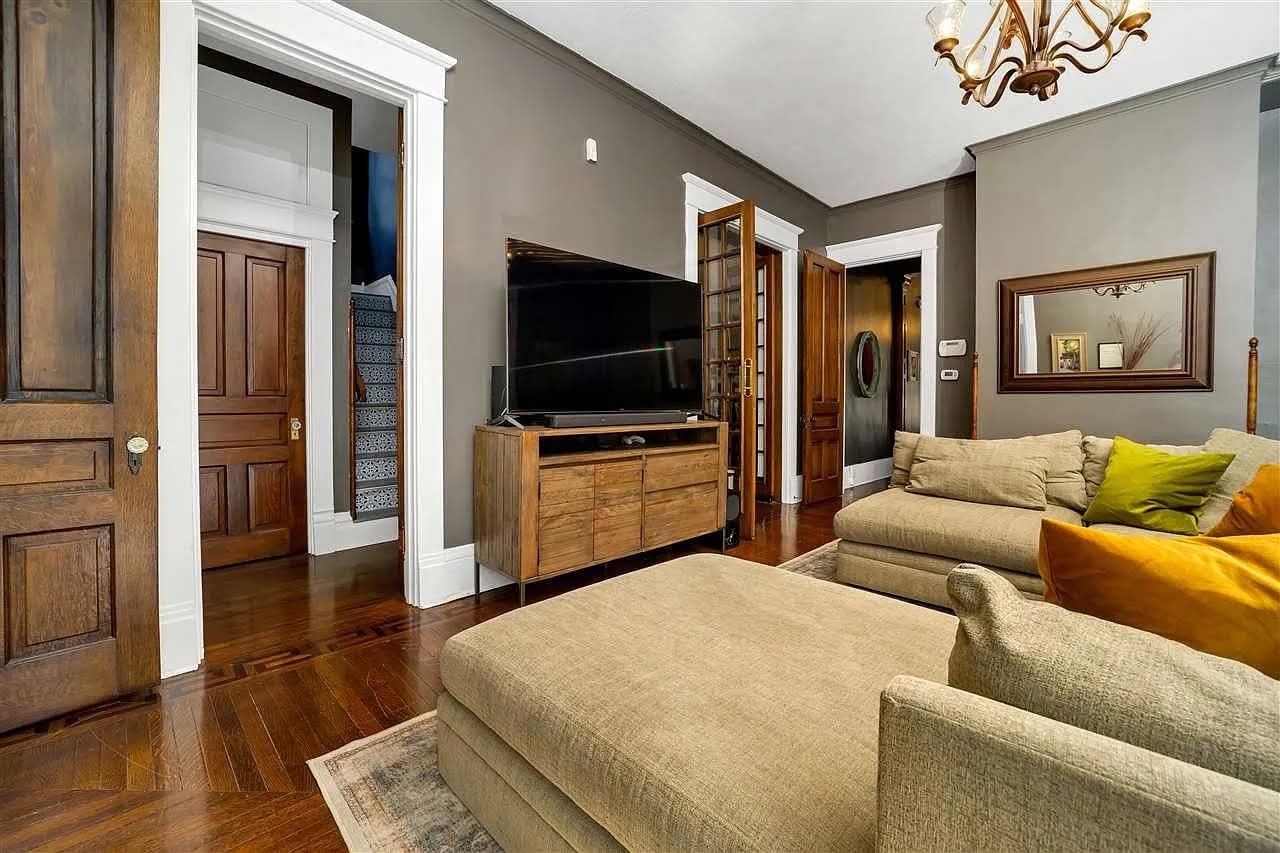
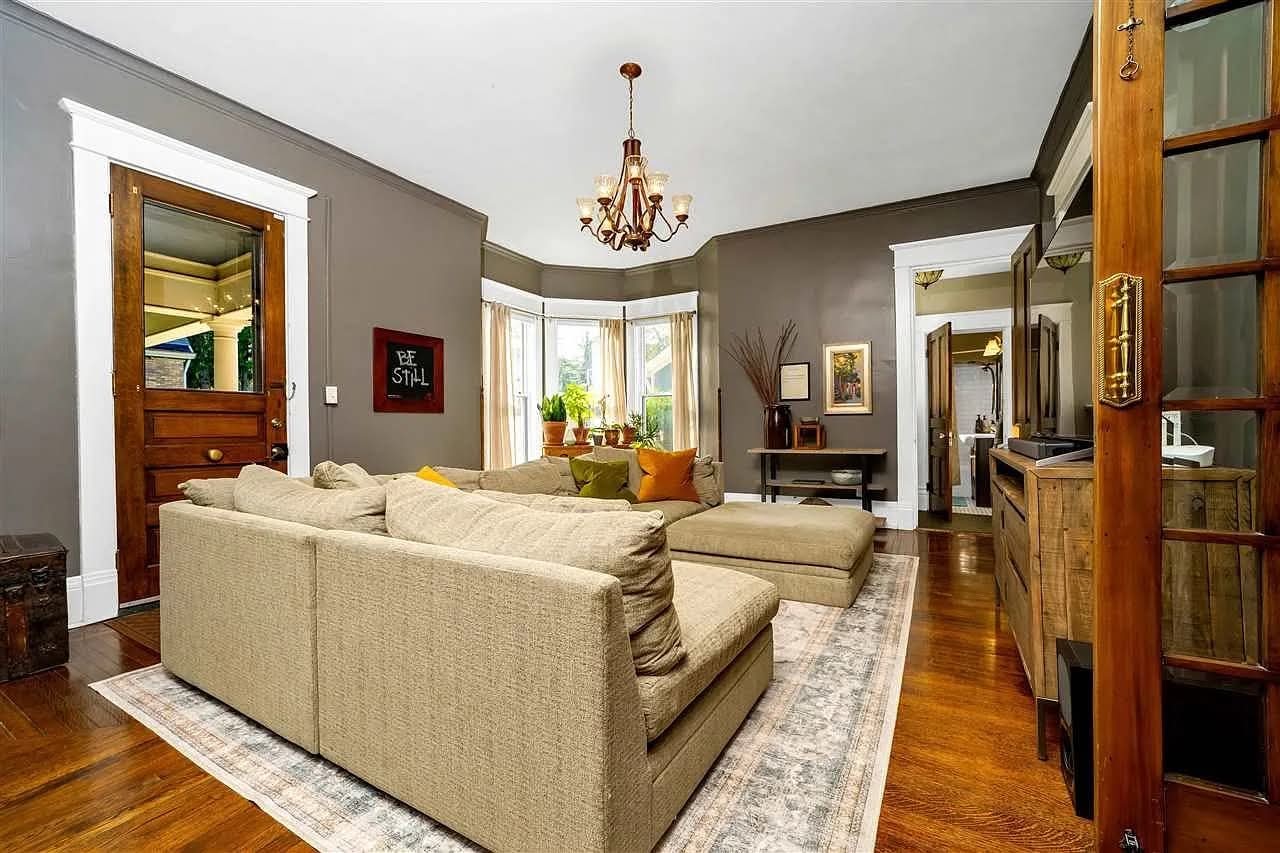
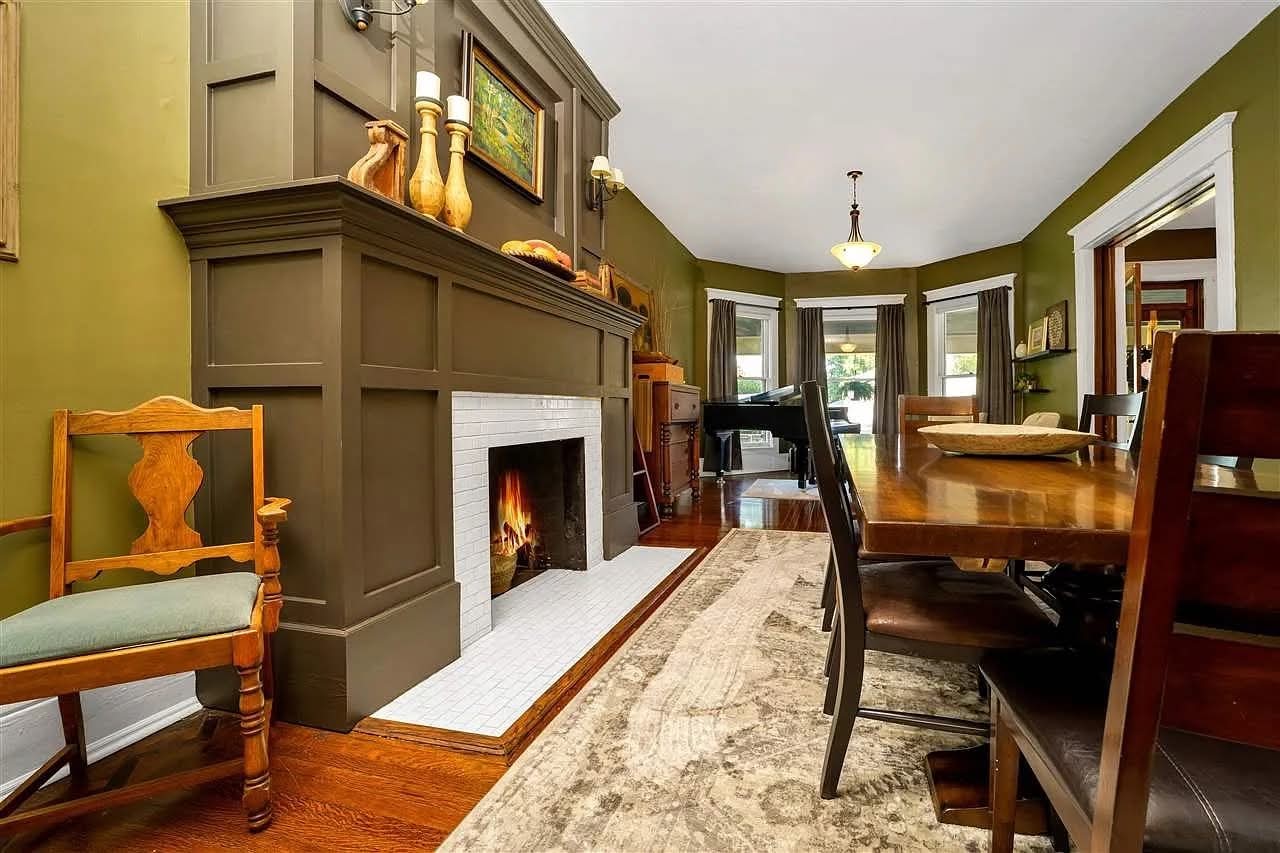
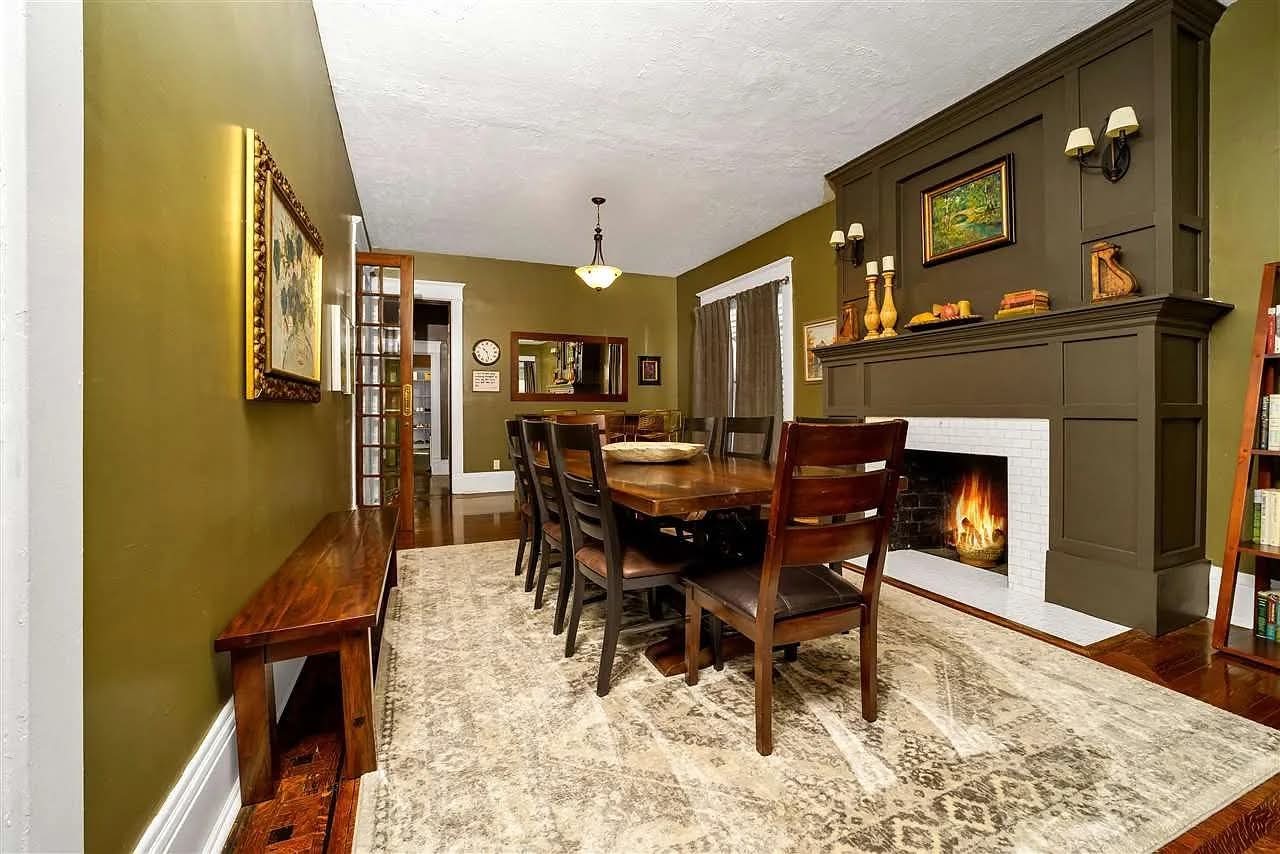
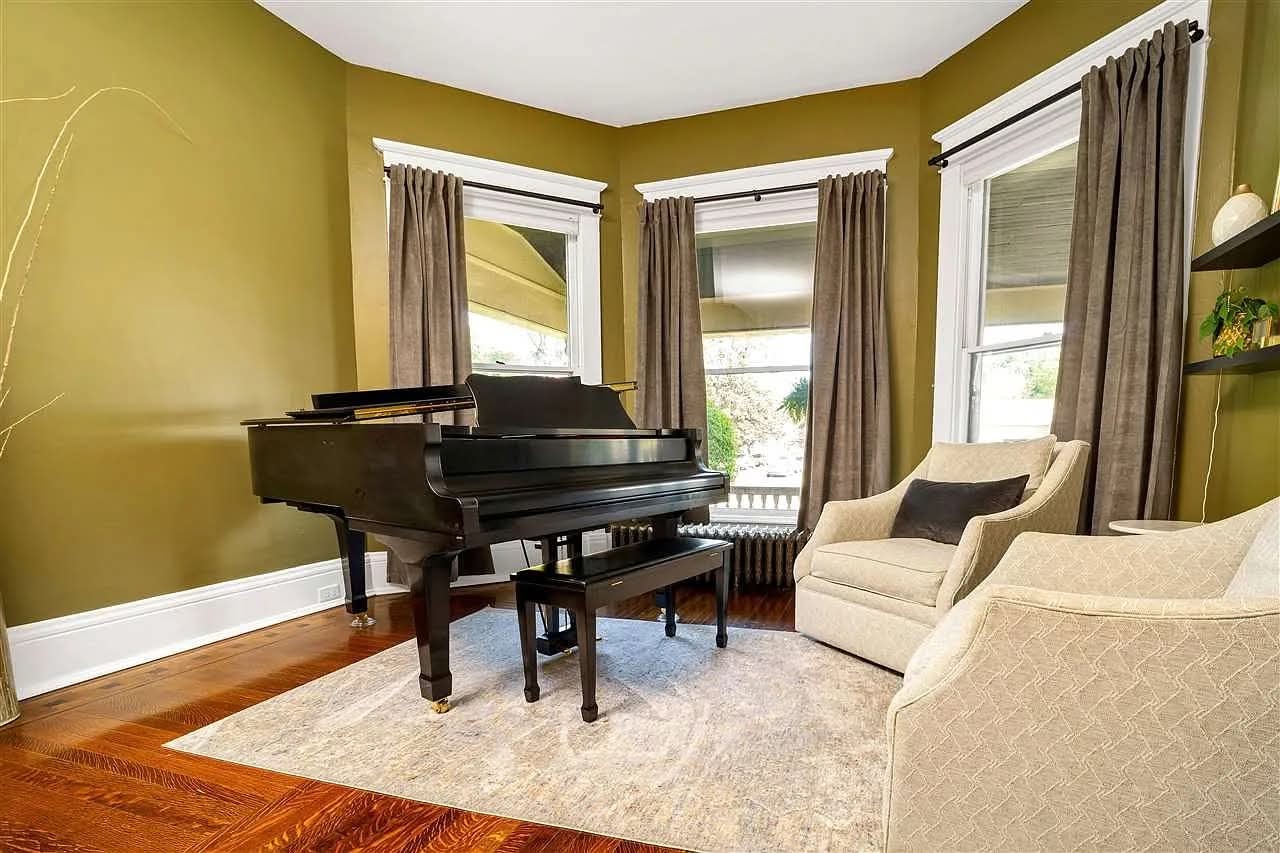
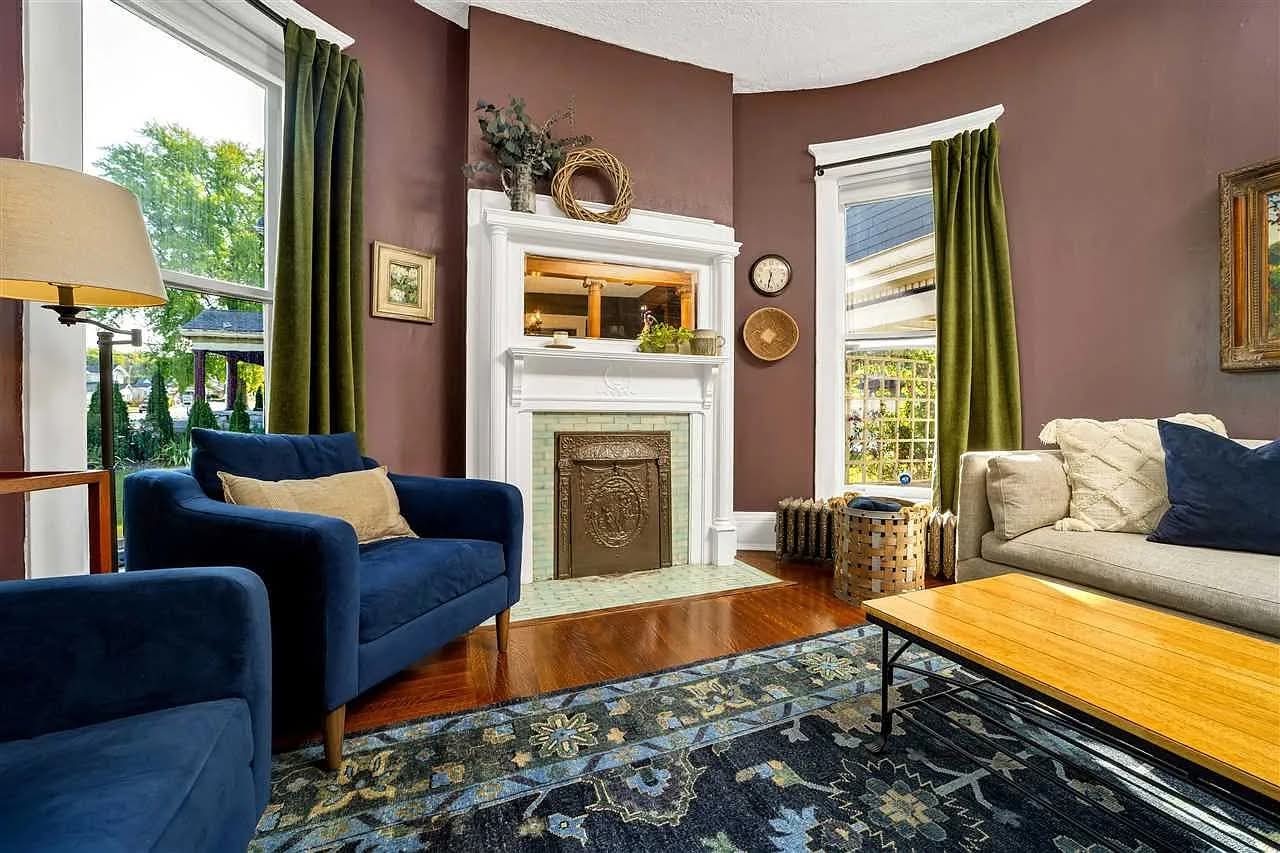
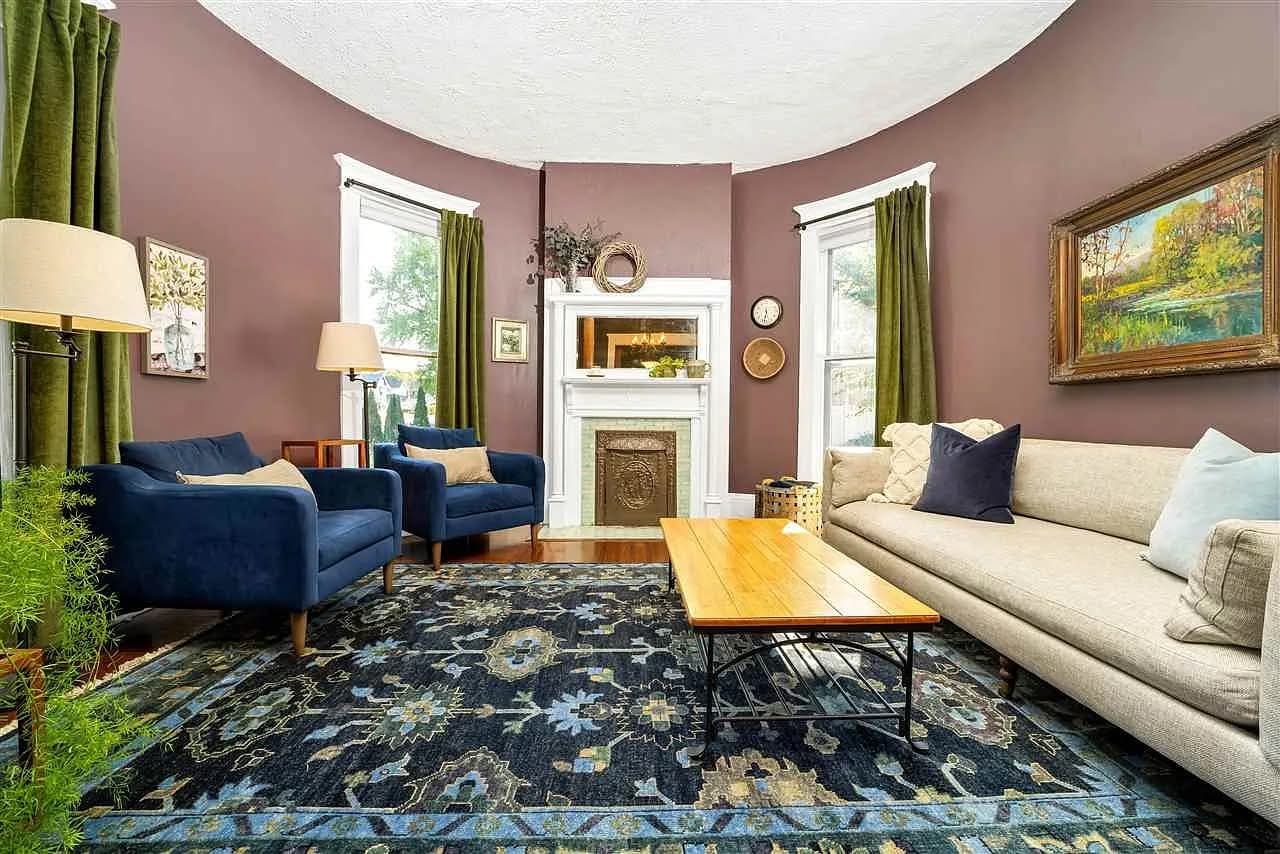
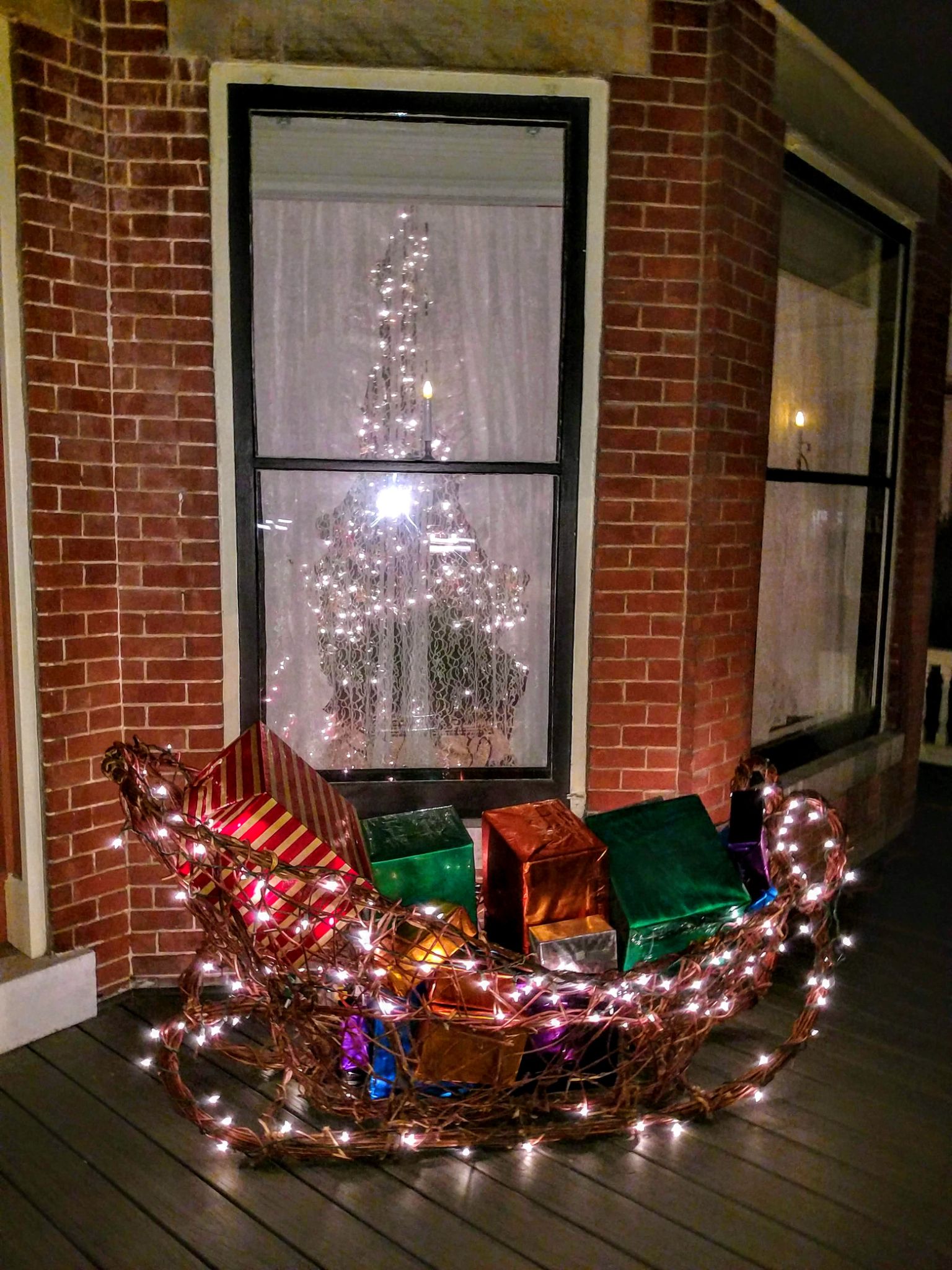
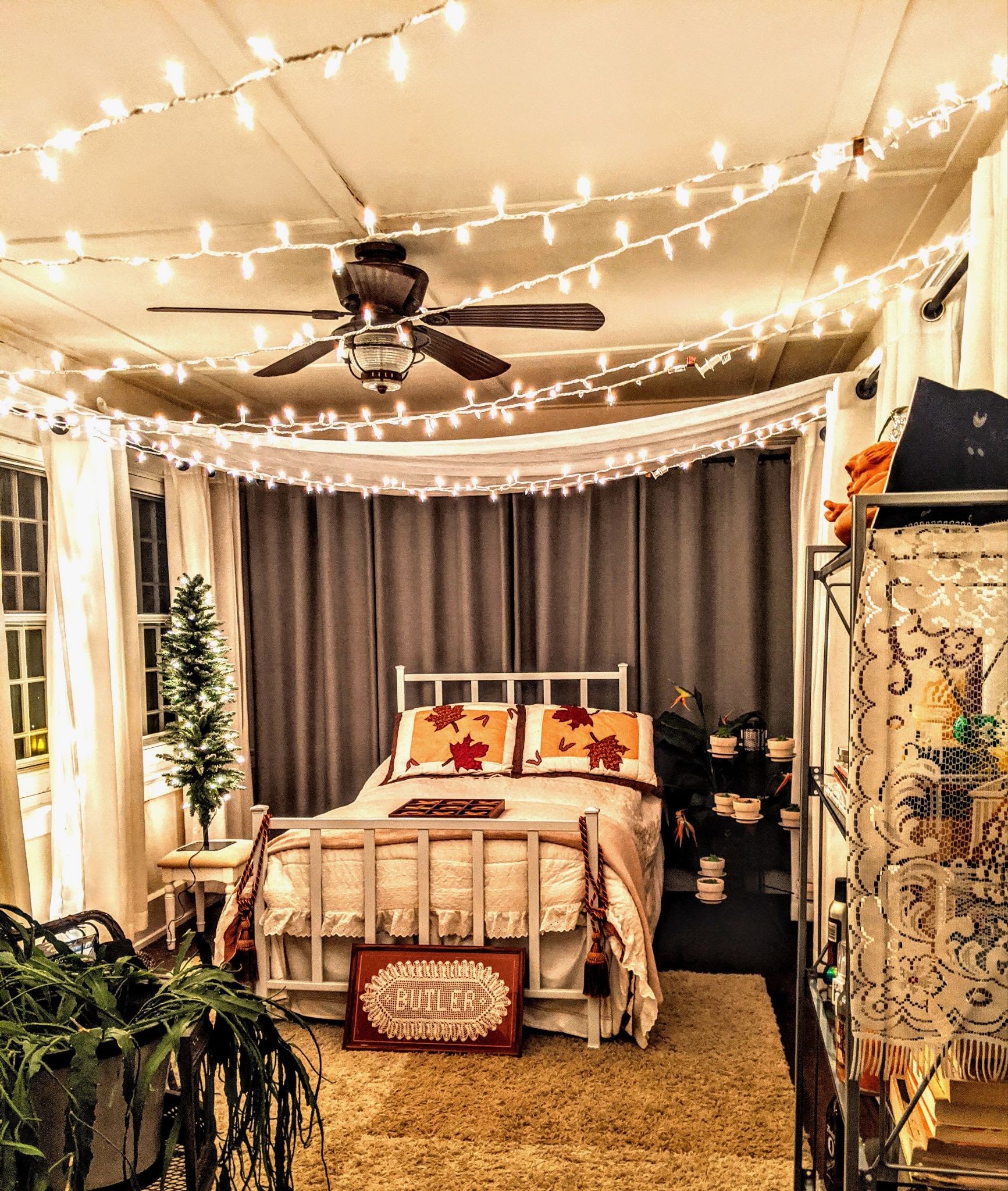
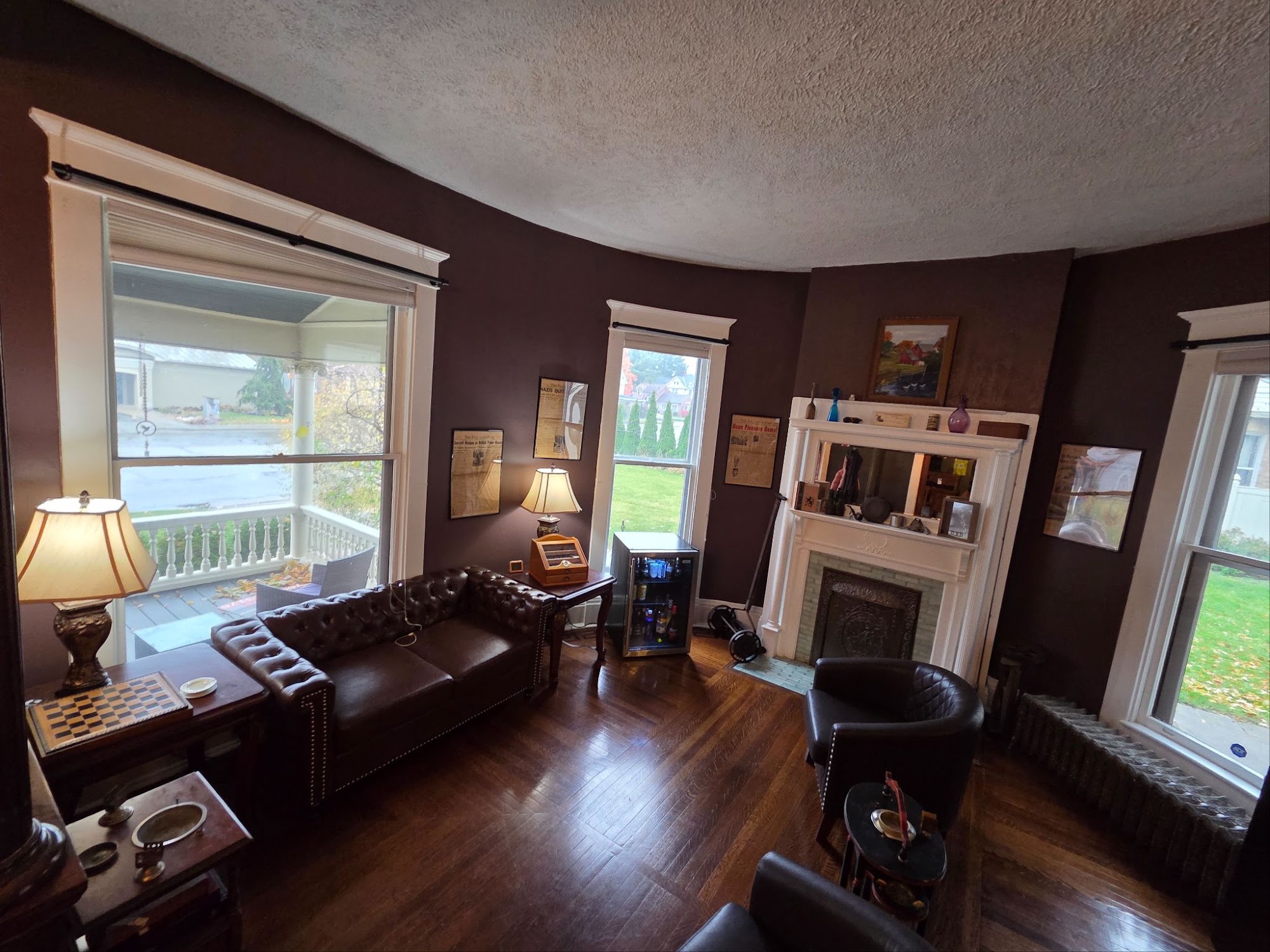
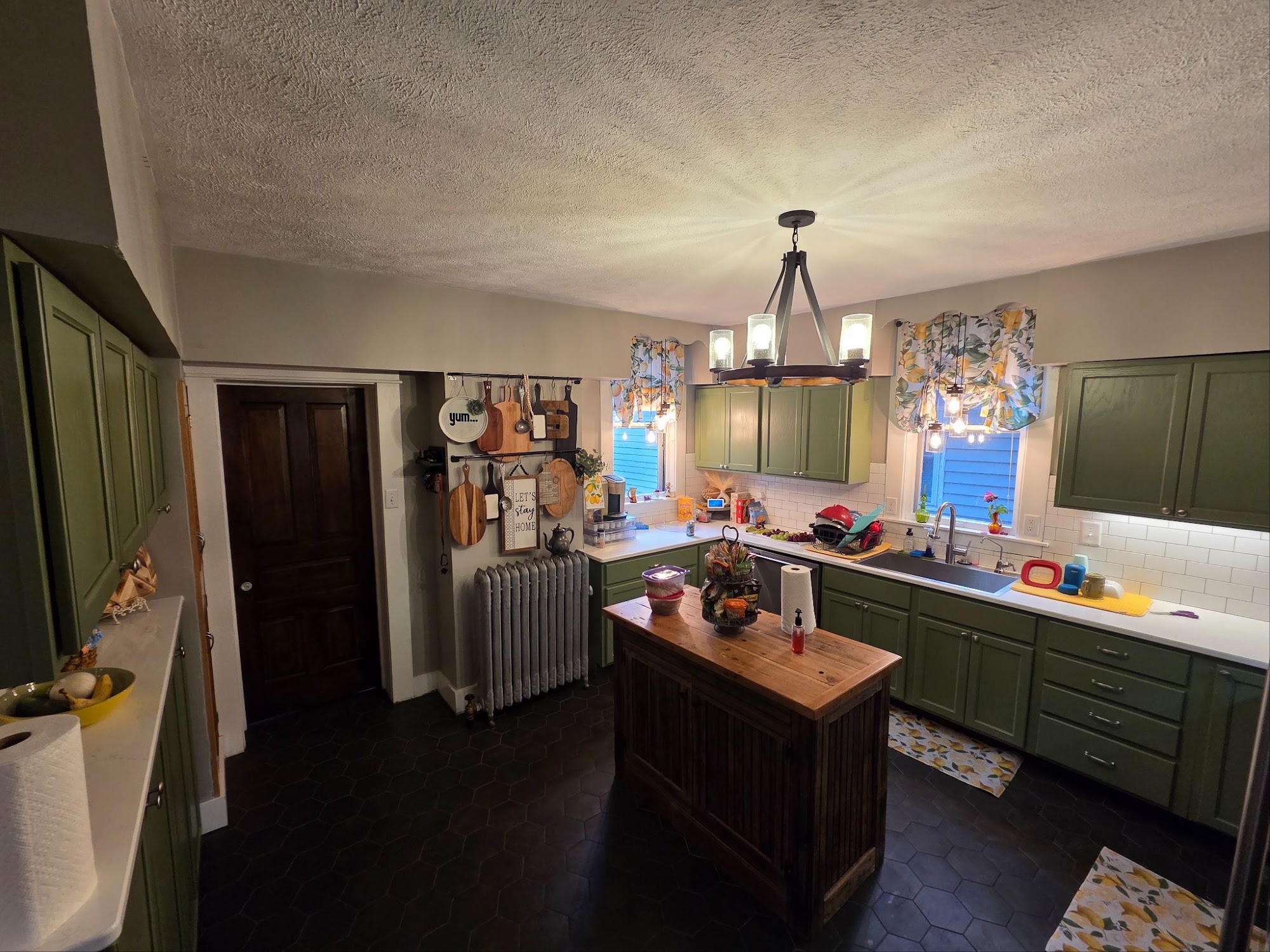
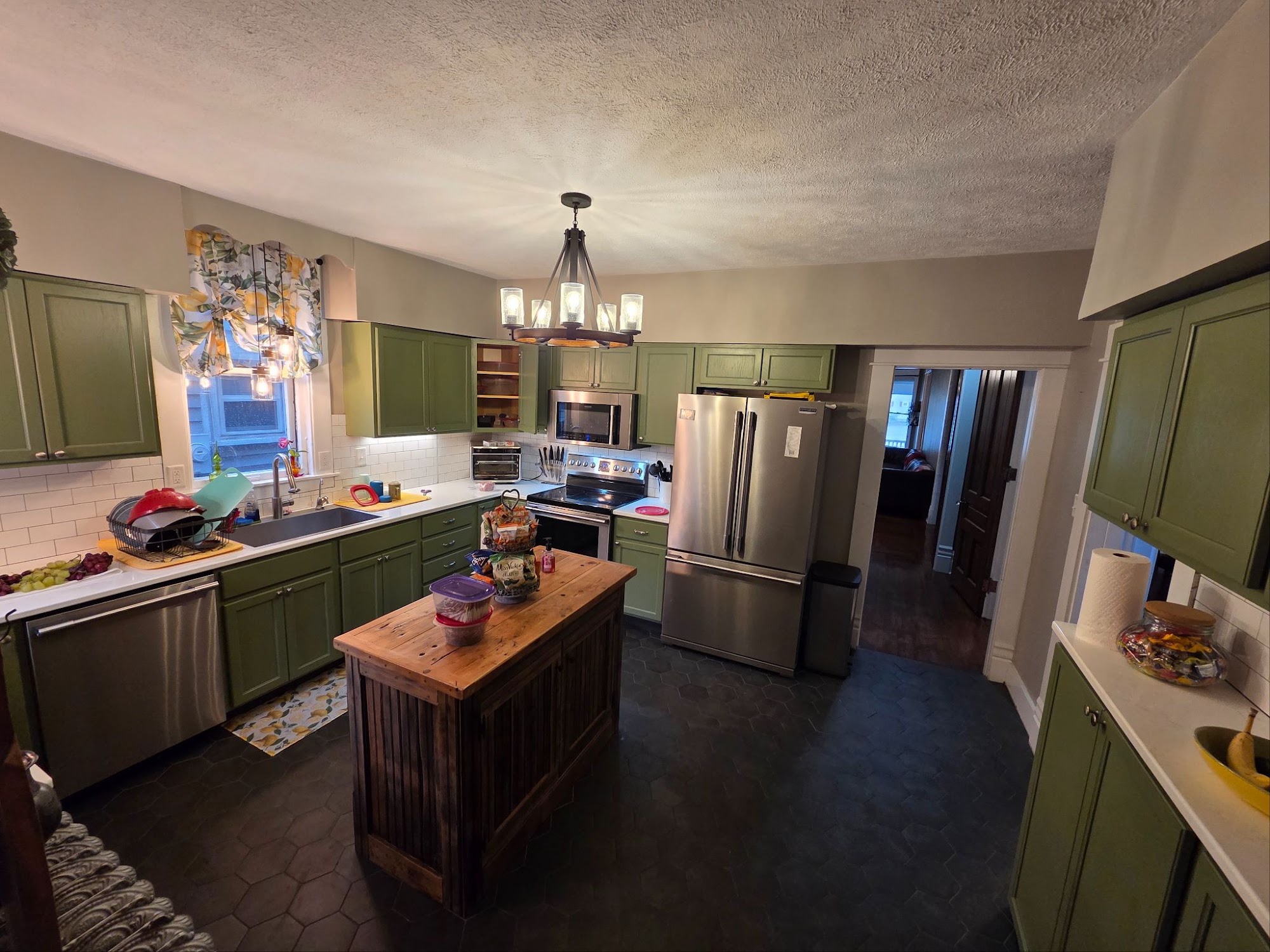
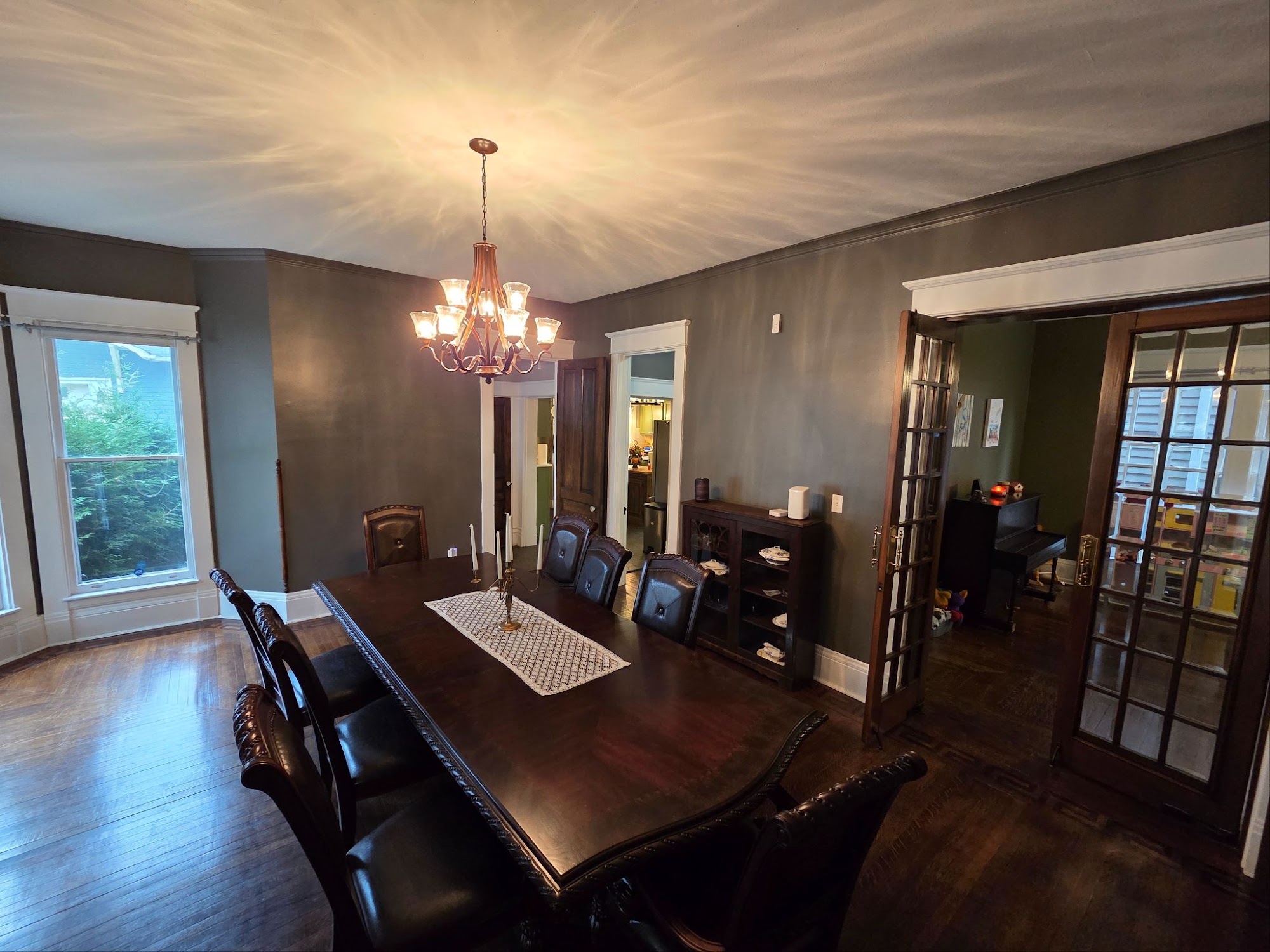
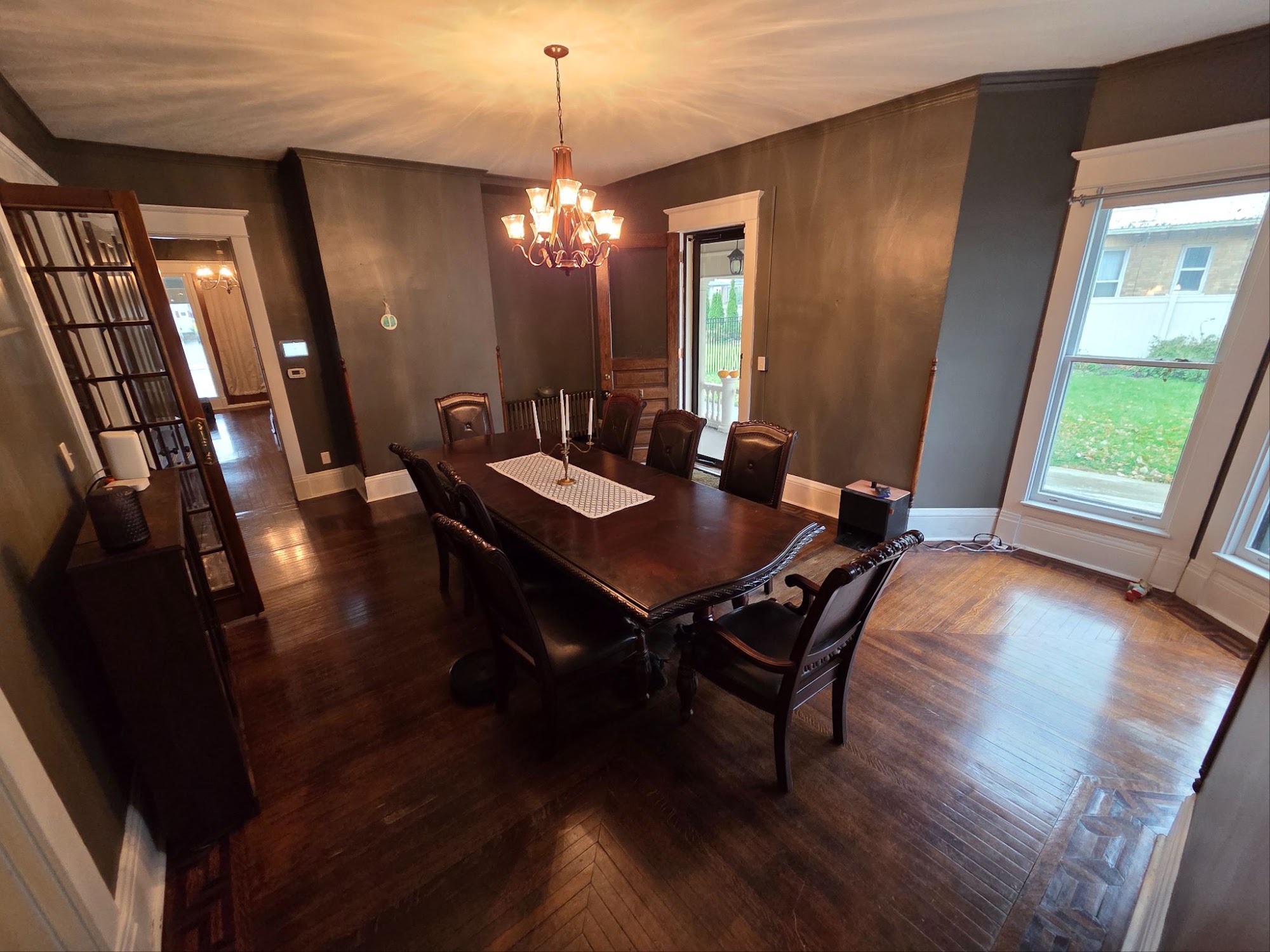
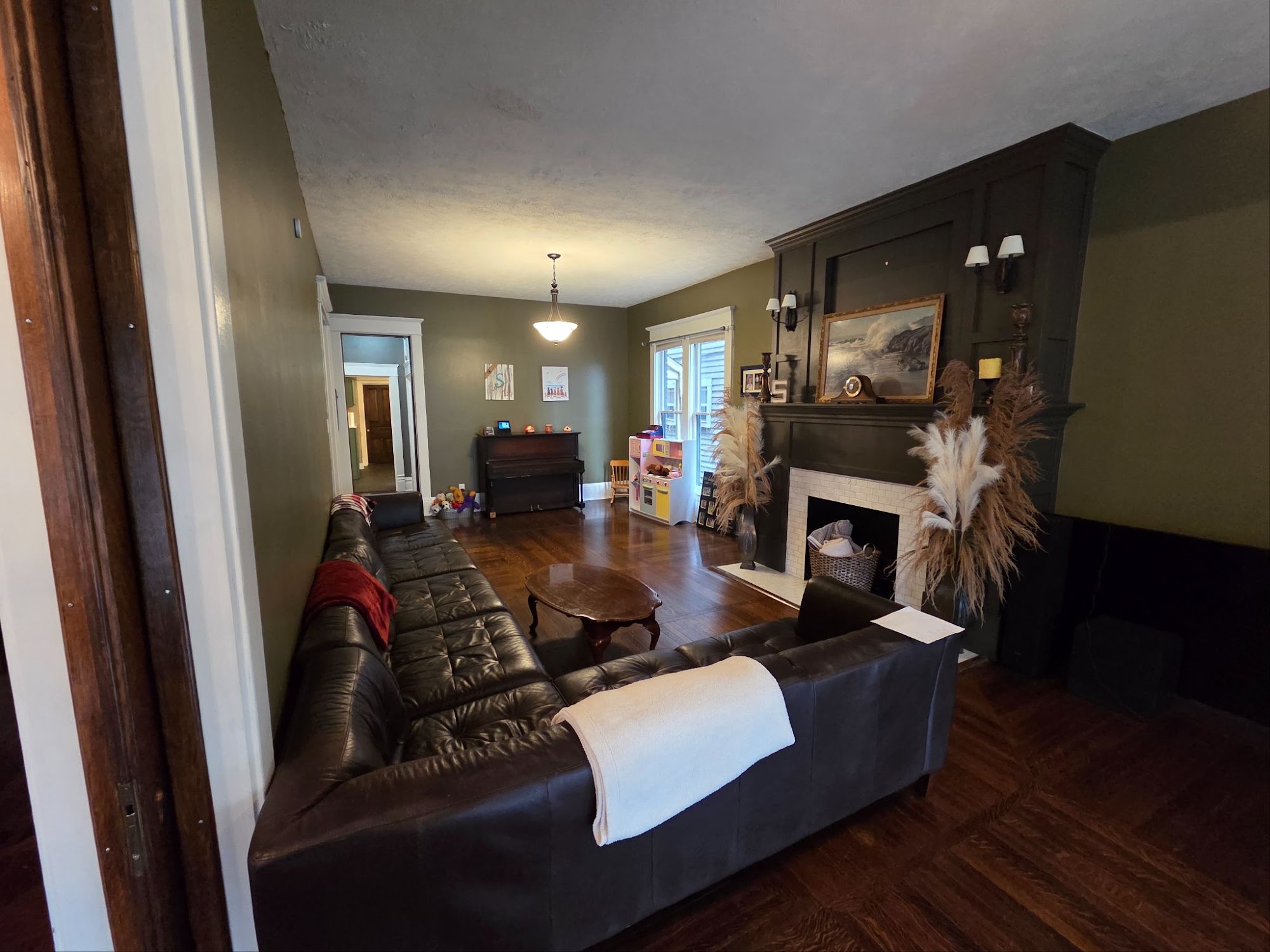
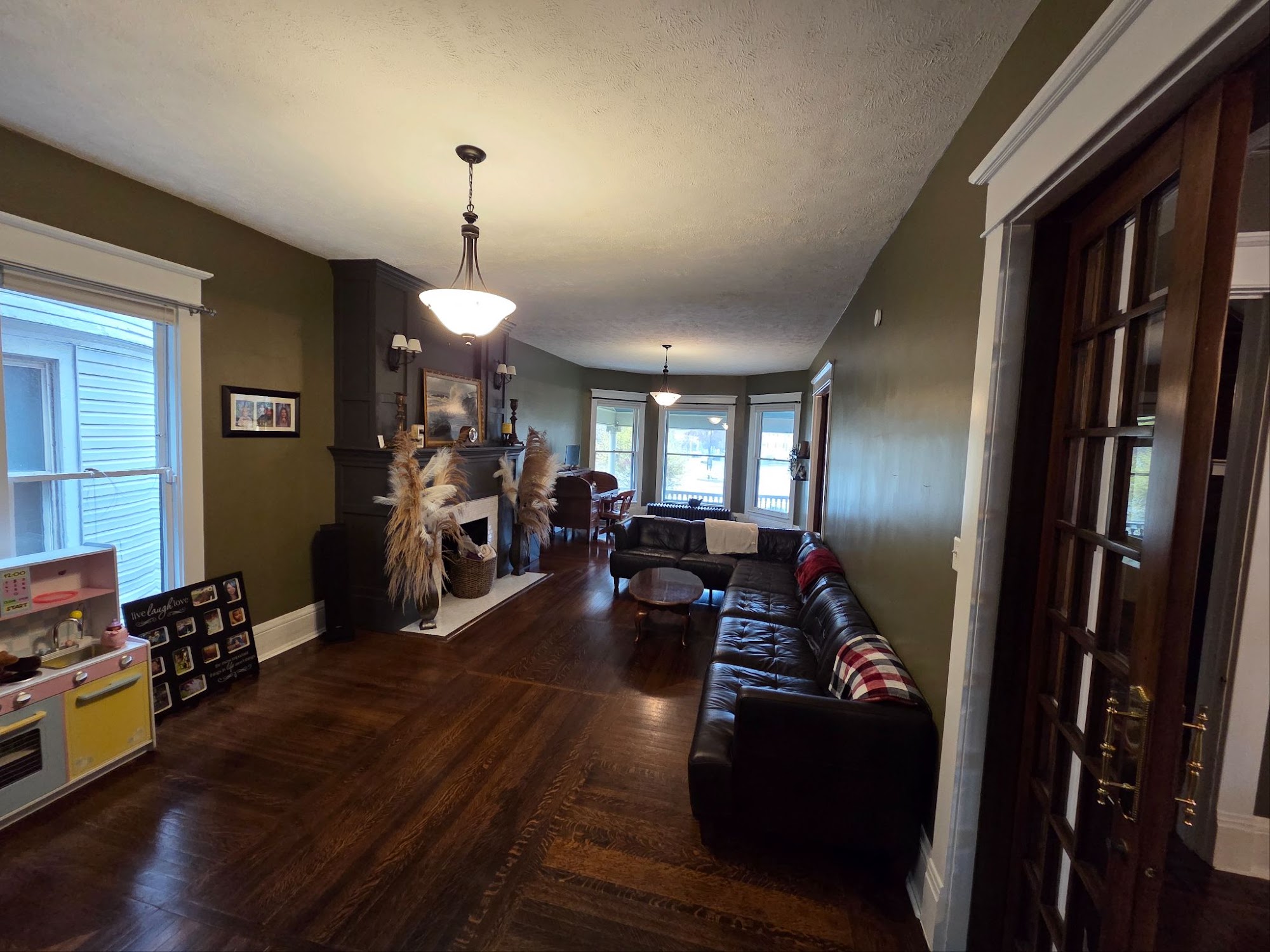
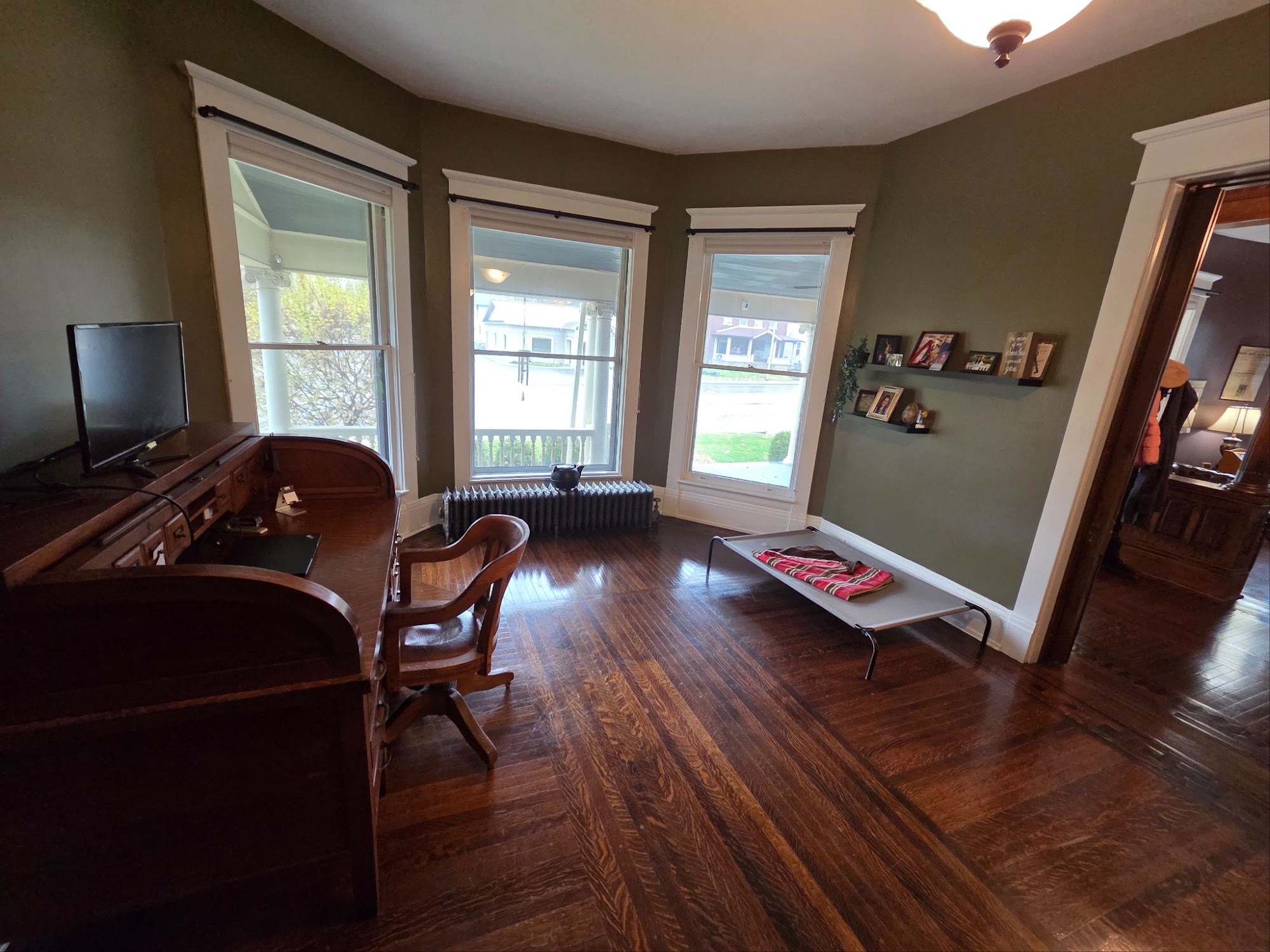
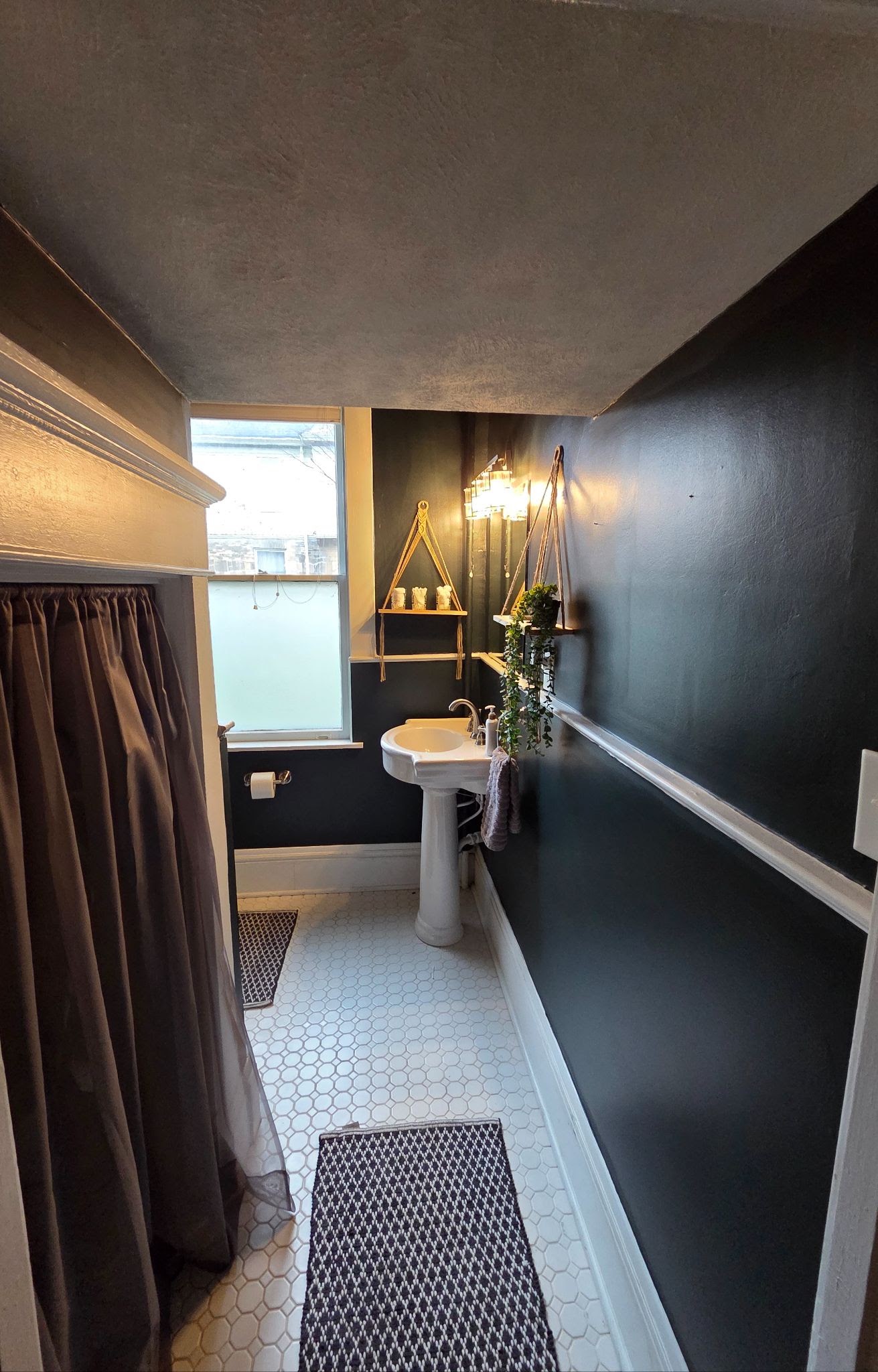
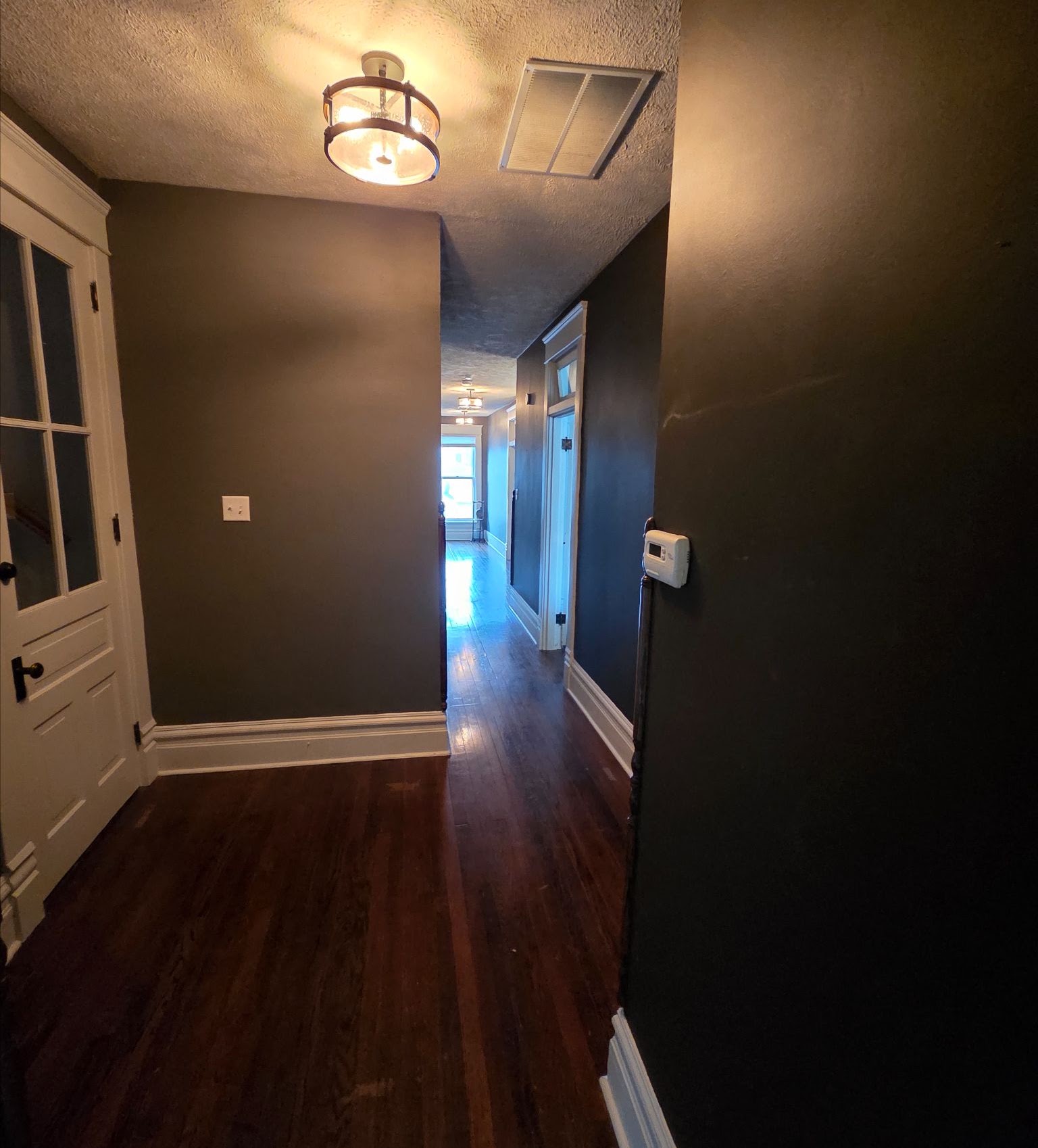
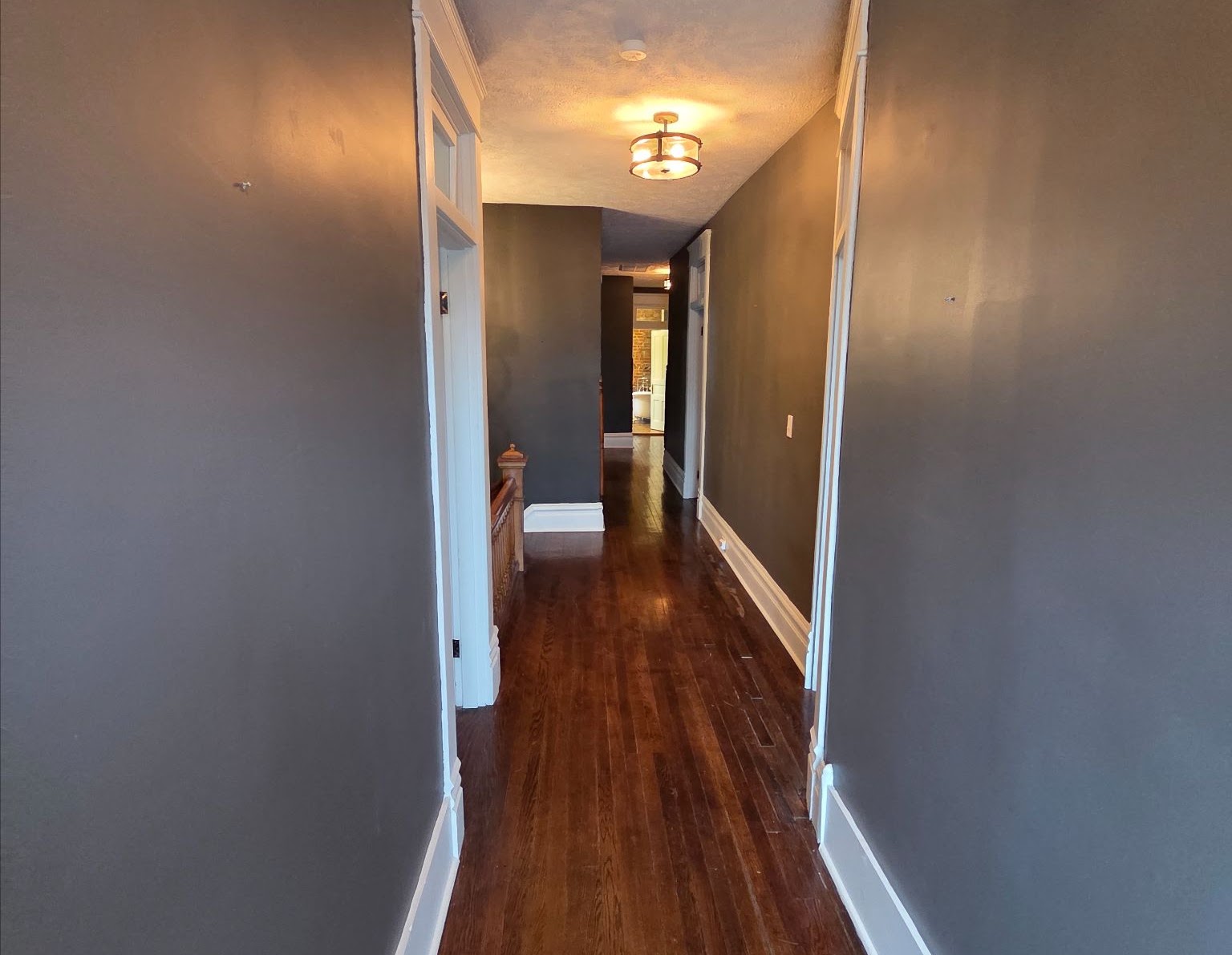
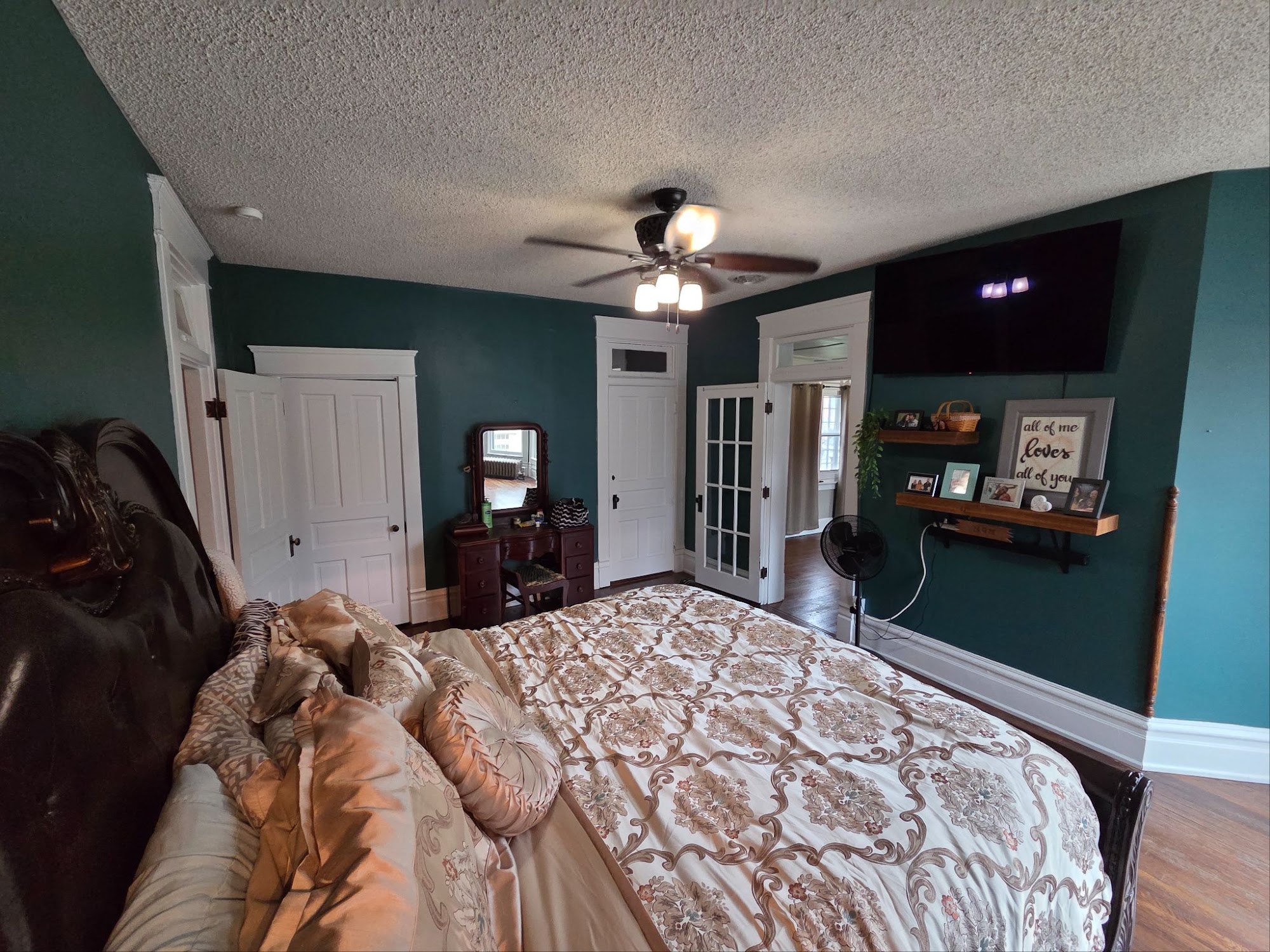
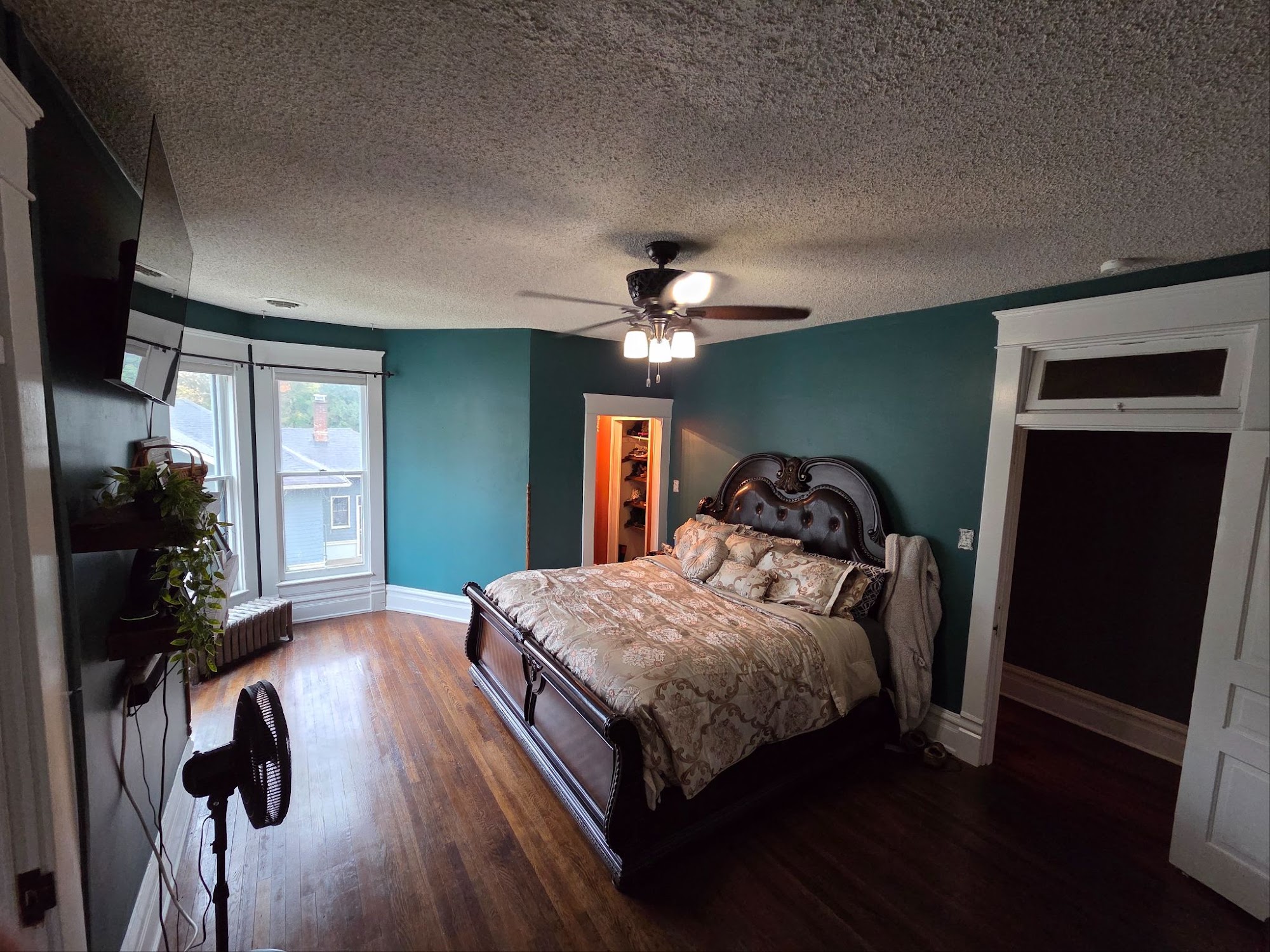
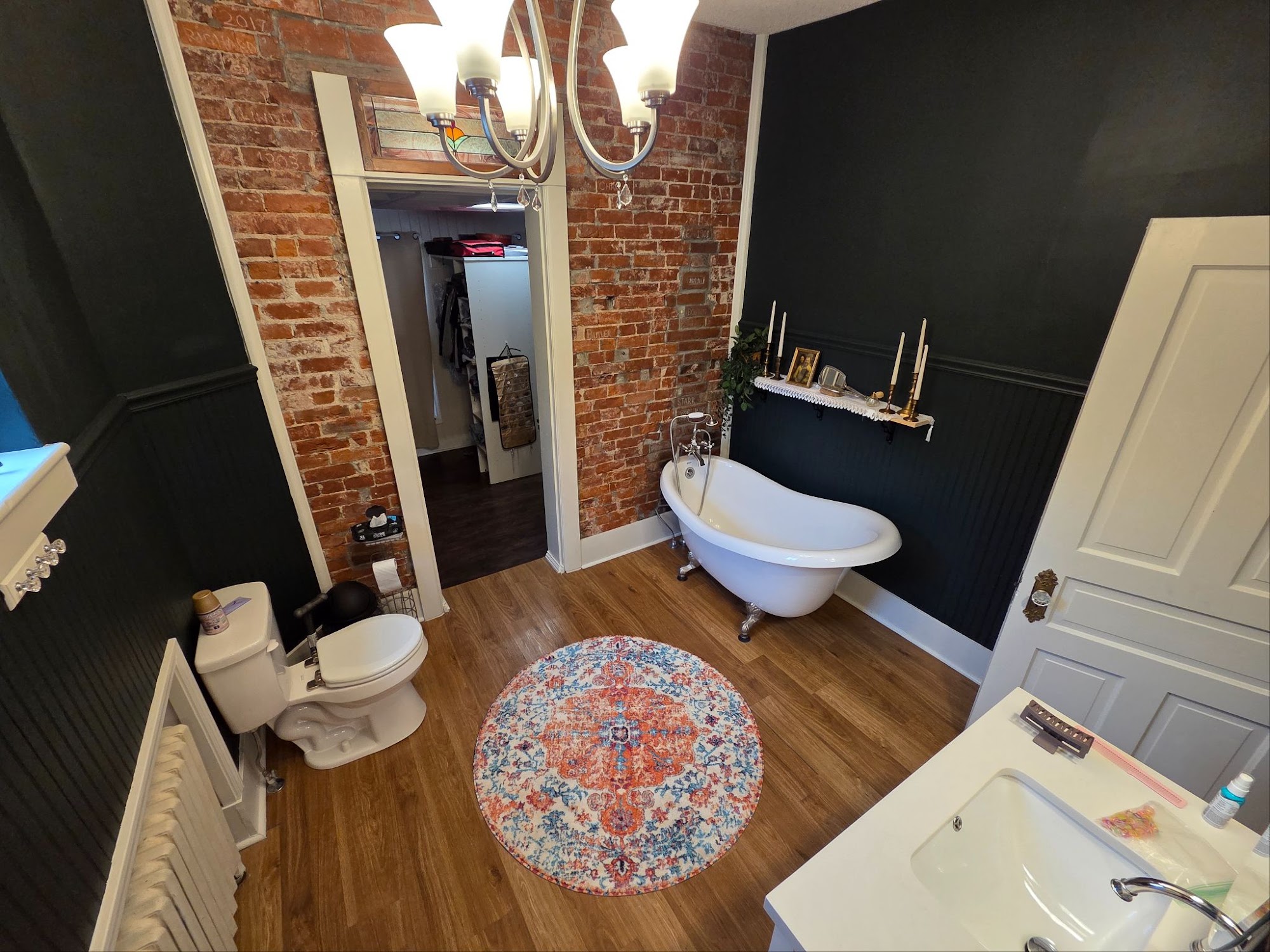
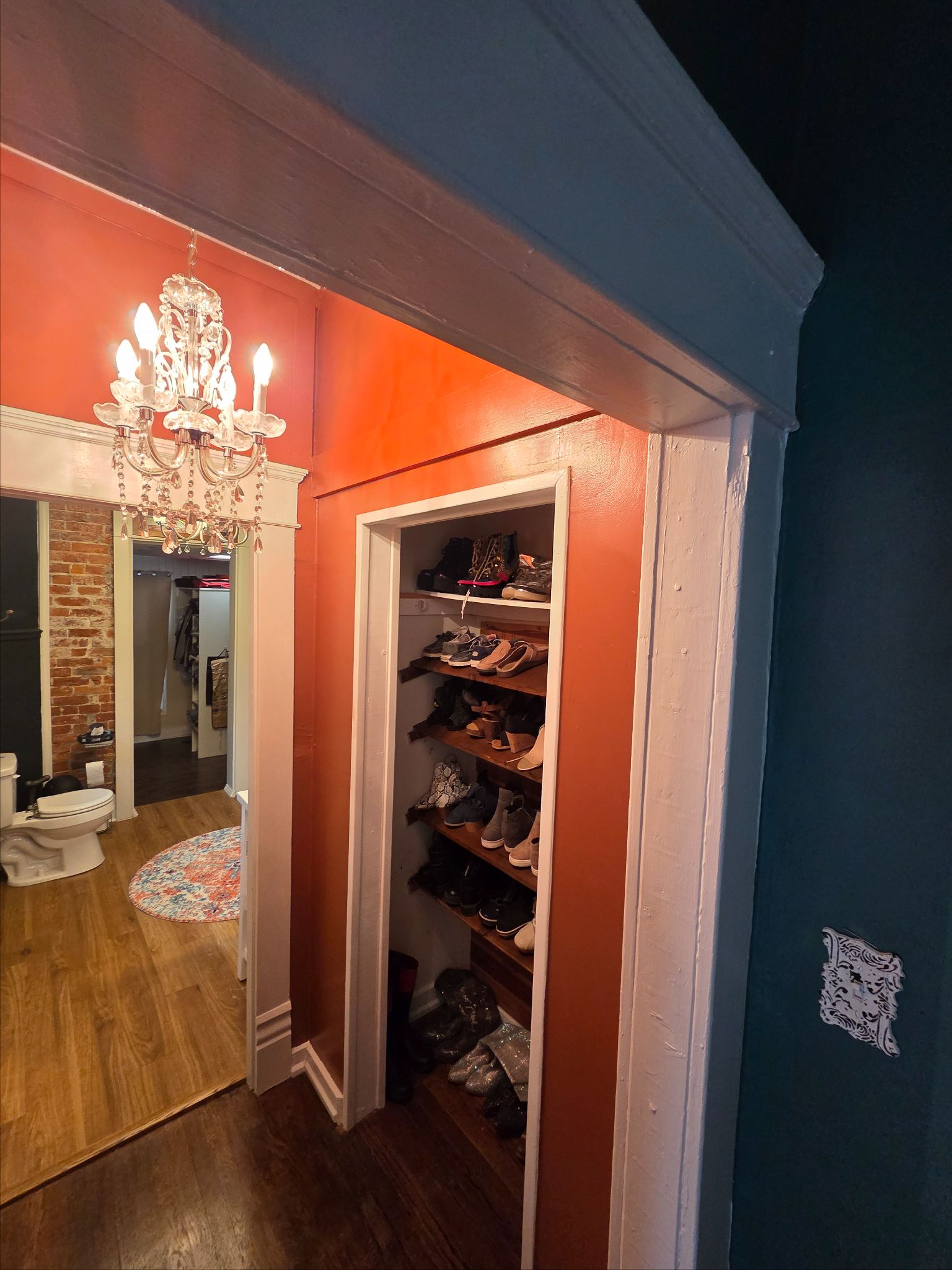
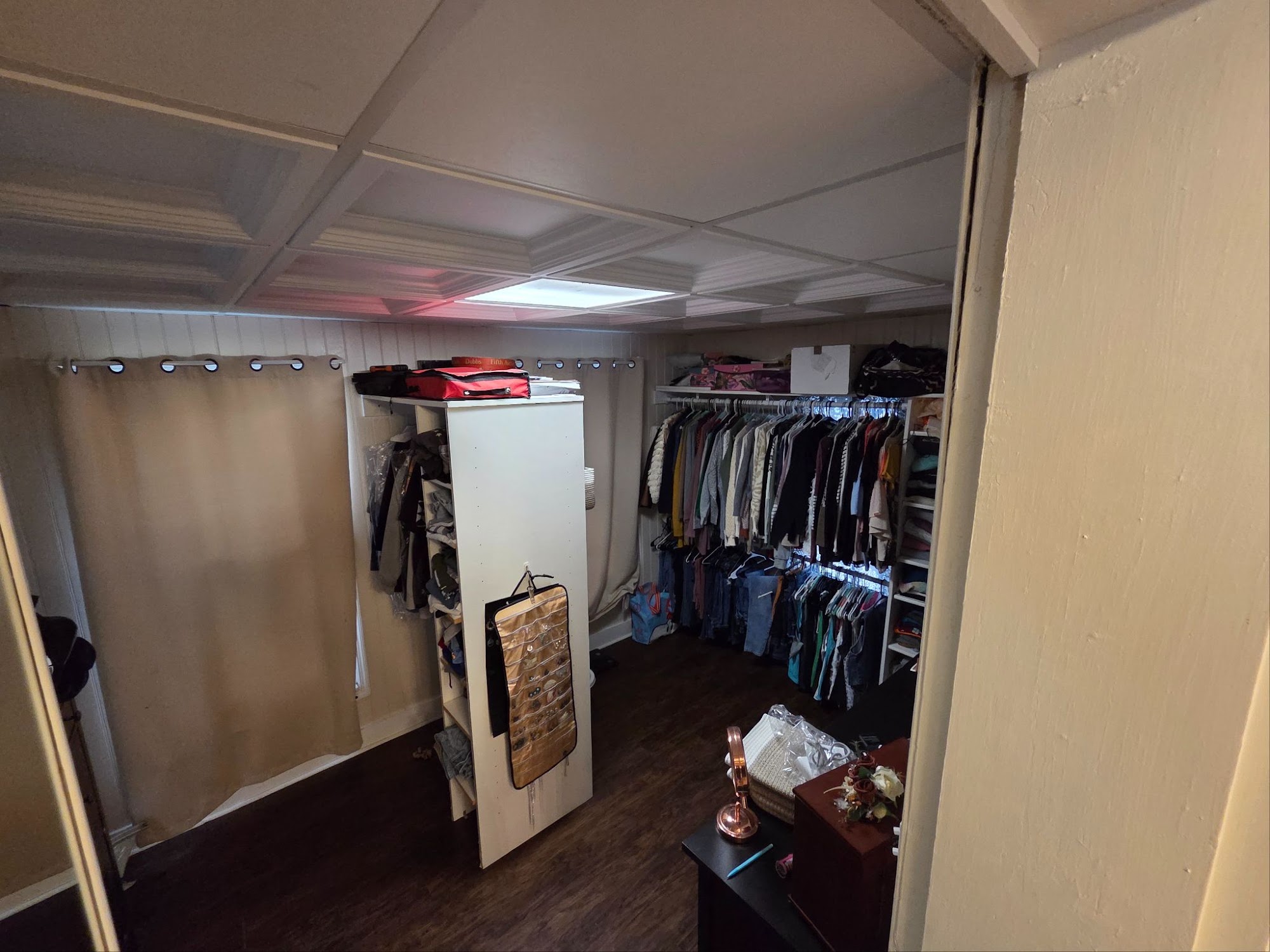
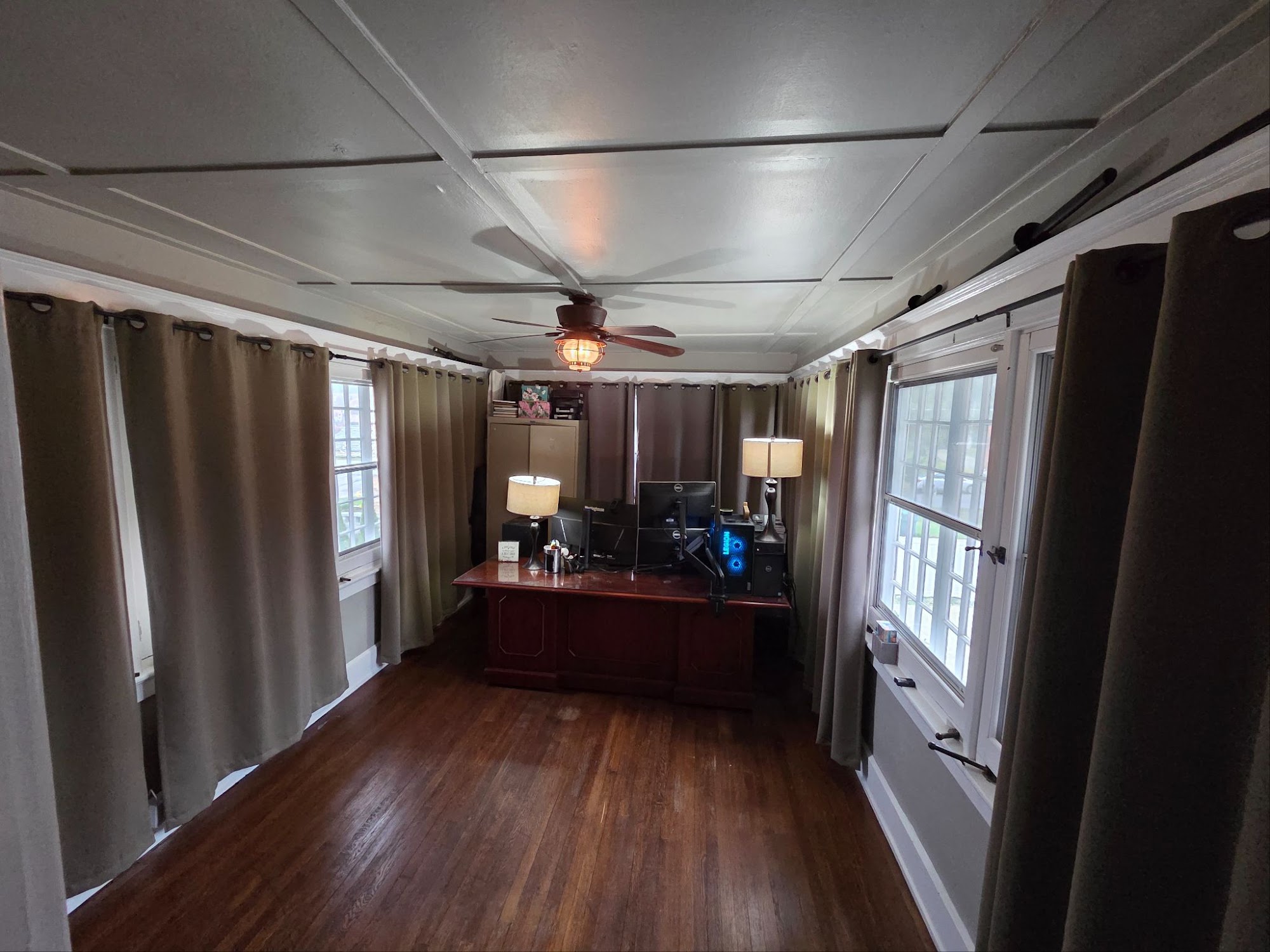
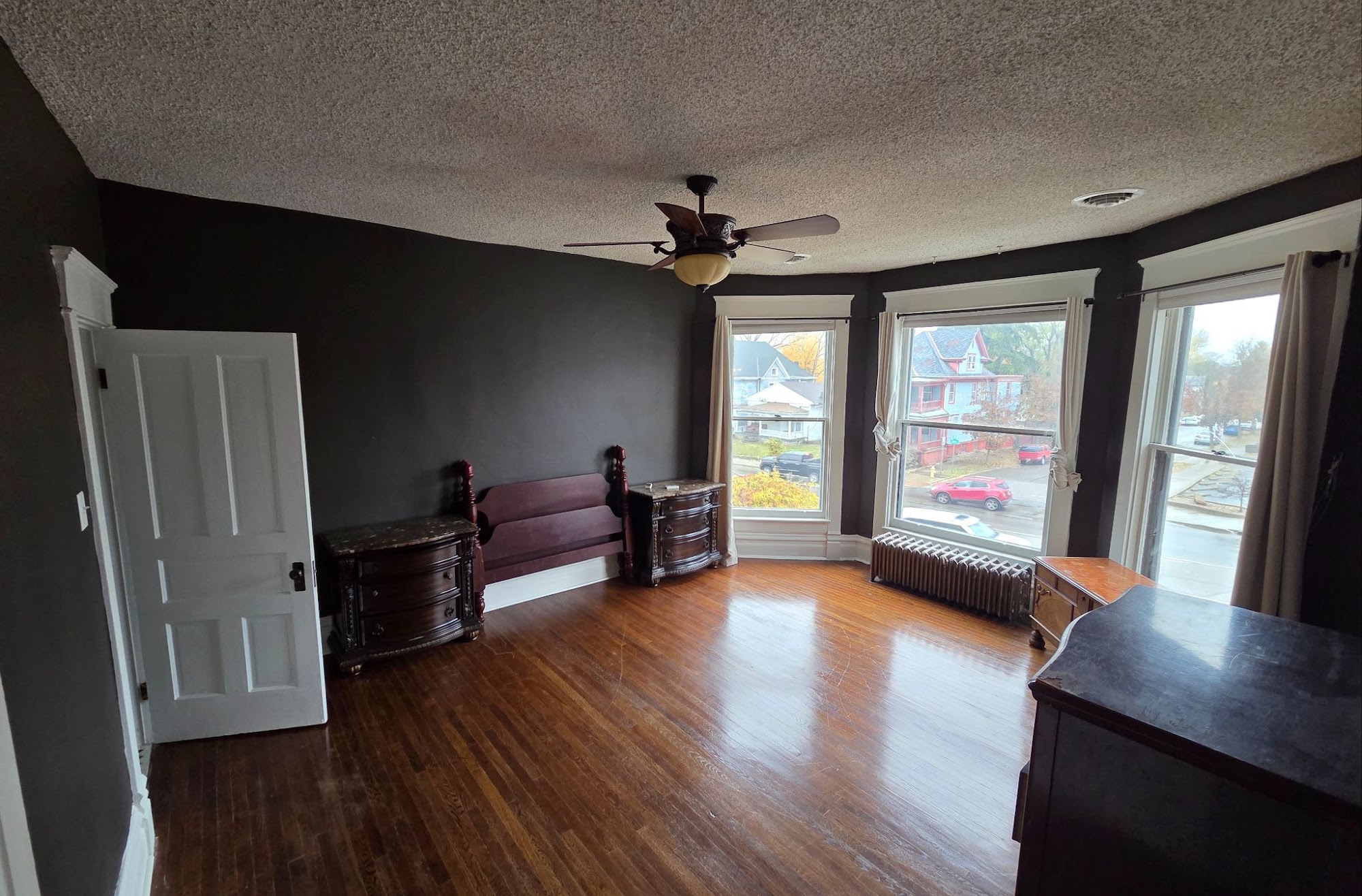
This gallery holds all 235 images from the original McGuire Mansion site, grouped by the page they came from, along with 23 historic and public images gathered for this redesign. Select any image to enlarge it.




VII · Sources